Navratri Yoga Series: Meaningful Asanas and Practice
During the nine nights of Navratri, we dedicated our practice to the nine forms of the goddess. Join us as we explore how specific asanas can resonate with the energy, discipline, and story of each Devi.
Day 2 of Navratri: Brahmacharyasana. This day is dedicated to the unmarried, meditative form of Goddess Parvati, and this pose reflects that discipline and focus.
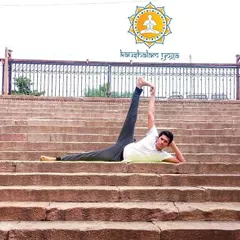
Day 3 of Navratri: Ardha Chandrasana (Half Moon Pose). We worship Goddess Chandraghanta, who is represented by the half-moon on Shiva's head.
Day 4 of Navratri: Ashtanga Namaskara. This day is for Goddess Kushmanda, the Ashtabhuja Devi with eight hands, and this eight-limbed pose honors her.
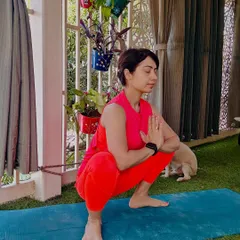
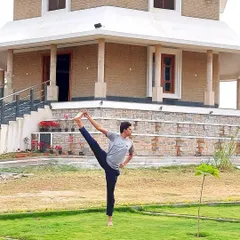
Day 5 of Navratri: Skandasana. Dedicated to Skanda Mata, the mother of Lord Kartikeya, this pose opens the hips and builds strength.
Day 6 of Navratri: Chatushpada Sana (Four-Footed Pose). This day honors Maa Katyayani, the Mahishasura Mardini, who has four hands.
Day 7 of Navratri. A pose dedicated to Goddess Kalratri, the fierce form of the Devi who destroys negative energy.
Day 8 of Navratri: Gomukhasana (Cow Face Pose). We honor Mata Mahagauri, who is pure and rides on an ox. This pose provides a deep stretch to the shoulders and hips.
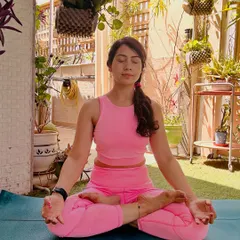
Day 9 of Navratri: Padmasana (Lotus Pose). We worship Devi Siddhidatri, who fulfills all aspirations and sits upon a lotus. This is the classic meditative pose.
About Navratri Yoga Series
In this series, we paired each asana with the specific energy of the Devi, using traditional Hatha alignment to build both physical strength and mental focus. If you find yourself struggling to hold a pose, remember that we use props like wooden blocks and cotton straps in my Nagarbhavi studio to help you find the right posture safely.
Yoga is rarely about achieving a perfect shape on the first try. It is about the consistency of showing up, or 'Abyasa' as we call it. During the Navratri series, my students practiced poses ranging from the balance required for Ardha Chandrasana to the meditative stillness of Padmasana. The goal wasn't to master these asanas overnight, but to use them as a physical prayer and a way to calm the mind.
At Yoga Bimba, we follow traditional Hatha Yoga principles with an Iyengar-style focus on alignment. This means we don't just move through a flow; we take the time to check if your shoulders are open in Gomukhasana or if your hips are correctly positioned in Skandasana. Whether you join me in the studio or log in via Zoom from another city, the instruction remains the same. I offer verbal cues for online students and hands-on adjustments for those practicing in-person to ensure you aren't straining your body.
We welcome everyone here. You might be a beginner who has never touched their toes, or someone with years of experience looking to deepen your practice. We focus on breathing techniques (pranayama) and chanting alongside the asanas to help release stress and improve focus. If you are dealing with chronic pain or looking for specific support like prenatal yoga or help with PCOS, my one-on-one sessions might be a better fit than the group batches.
Our studio in Nagarbhavi is a simple space designed for natural detoxification, with wall fans and terracotta flooring. It isn't a luxury gym, but it is a real place for real practice. If you want to know how our hybrid batches work or which slot fits your schedule, I am happy to guide you.
Similar work from other experts
Browse through Curated picks from other experts on mytribe
Navratri 9-Day Yoga Journey: Find Stillness & Strength
Seasonal Yoga & Festive Wellness Routines
 5
5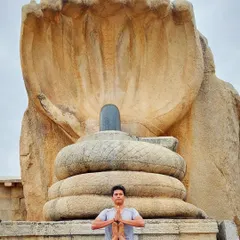
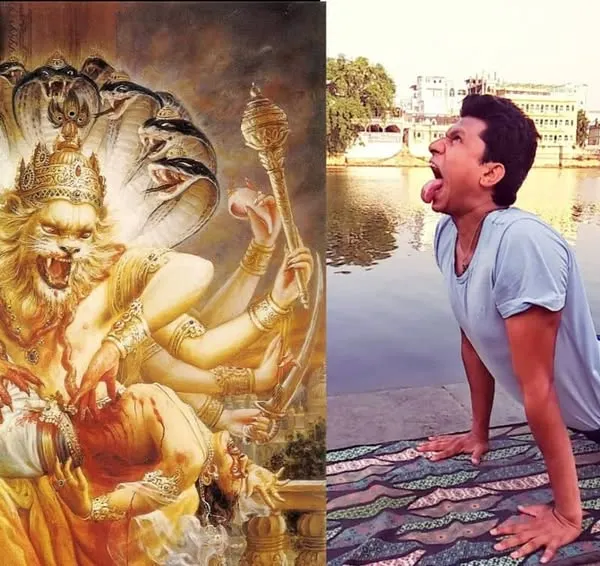
Yoga & Mythology: Connecting Asanas to Ancient Stories
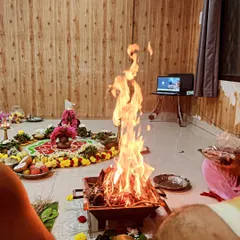
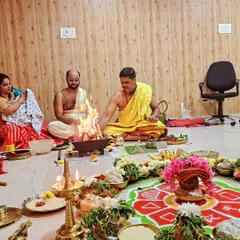
Traditional Yoga Festivals & Community Celebrations in Bengaluru
Our Navaratri Bharatanatyam Series
 22
22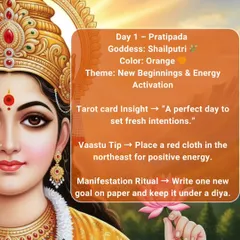
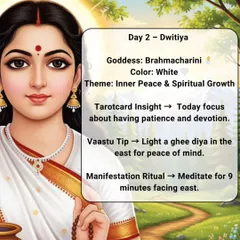
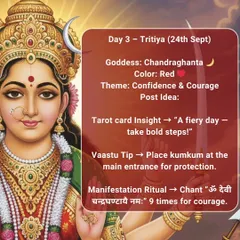
Navratri Rituals and Vastu Tips for Transformation
More from Yoga Classes & Personal Training by Yoga Bimba
More services by Yoga Bimba