The Science of Asana: Prop-Based Practice
Props are not crutches; they are the keys to precise alignment and deeper spinal awareness. See how we use the Iyengar method to unlock your body's potential.
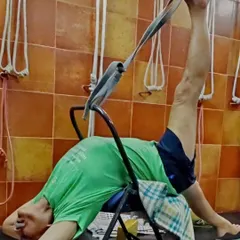
The rope wall is a signature feature of our studio. This video demonstrates an advanced sequence including Sirsasana (Headstand), Paschimottanasana (Forward Bend), and a supported backbend, all performed with the help of ropes for alignment and depth.
Rope yoga allows for spinal decompression and deeper stretches. Our students learn to use the ropes to enhance their asanas, improve flexibility, and build foundational strength with proper alignment.
This rope wall exercise targets core strength and spinal health. By placing the feet on the wall, students engage their abdominal muscles for massage and toning while decompressing the lower back.
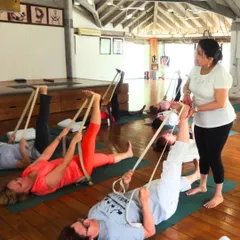
Partner yoga on the wall builds trust and allows for deeper assisted stretches. This sequence shows how students can work together using the ropes to achieve poses that might be inaccessible alone.
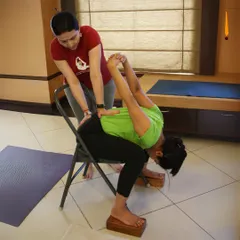
Halasana (Plow Pose) can be challenging for the neck. We teach the use of wooden props like a Halasana box and shoulder stand plates to ensure the cervical spine remains safe and the chest stays open, making the pose restorative.
"The spine is the highway for Prana." Here, a student uses a wooden back-bending bench for spinal rejuvenation. These props help prepare the body for advanced asanas like Chakrasana by safely opening the thoracic spine.
A group of students practices a supported backbend on wooden benches. This method allows for a longer, more passive hold, which helps to release deep-seated tension in the spine and open the heart center.
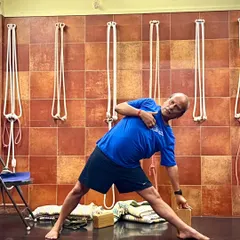
Trikonasana (Triangle Pose) with Iyengar sticks. This setup provides a framework for perfect alignment, helping students understand the geometry of the pose and the correct engagement of the torso and legs.
Using a stick helps to deepen the posture and understand its mechanics. Here, students practice a variation of Vasisthasana (Side Plank), using the stick for balance and to extend the line of energy through the body.
A stick yoga sequence for opening the shoulders and upper back. The stick acts as a guide, ensuring both arms stretch equally and helping students to concentrate their awareness at the Ajna chakra.
About The Science of Asana: Prop-Based Practice
In our Chamrajpet studio, we don't treat props like crutches; they are tools for precise alignment. Whether you are using a rope wall for spinal traction or wooden blocks to safely enter a deep stretch, these instruments allow you to access the geometry of each asana correctly. We focus on the anatomy of the movement, ensuring that even if you have stiff hamstrings or lower back sensitivity, you can experience the full therapeutic benefit of the pose without strain.
The Iyengar tradition teaches us that the body needs structural support to achieve true balance. Many students believe they lack the flexibility for advanced asanas, but often, the issue is simply a lack of correct alignment. By using specific props—like the Halasana box to protect the cervical spine, or ropes for thoracic opening—we educate the body on how to move safely.
Why We Use Props
- Rope Walls: Essential for spinal decompression and building foundational strength for inversions like Sirsasana.
- Wooden Blocks & Belts: Help you understand the engagement of muscles without overextending or causing injury.
- Iyengar Sticks: Used to perfect the geometry of poses like Trikonasana, ensuring the arms and torso are correctly aligned.
This is not just about a workout; it is a clinical approach to 'work-in'. We incorporate these tools into our Teacher Training Courses (TTC) because a teacher must understand how to modify a practice for every body type. Whether you are dealing with chronic conditions like sciatica or simply want to deepen your daily practice, our prop-based approach ensures you are training your body's intelligence, not just chasing a flexible pose.
Similar work from other experts
Browse through Curated picks from other experts on mytribe
The Iyengar Method: Using Props for Precision
 22
22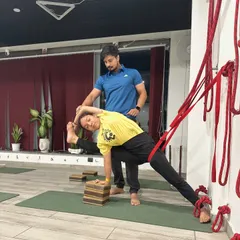
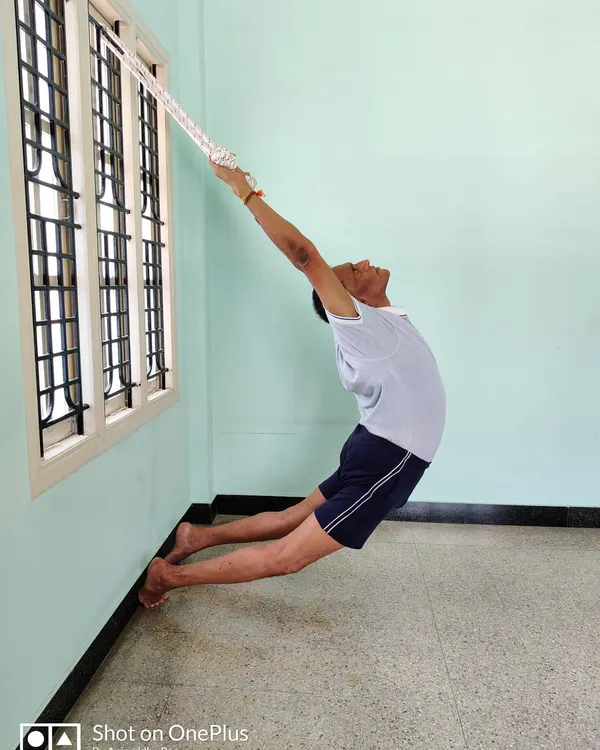
Iyengar Yoga with Props: Precision and Alignment
 4
4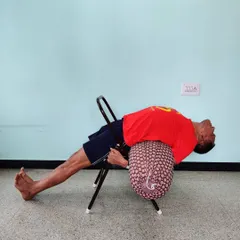
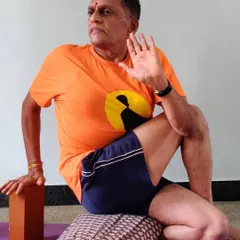
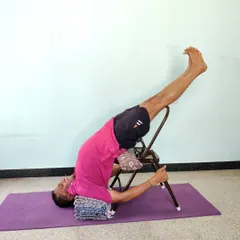
Iyengar Yoga Props for Precision
Iyengar Yoga: The Art of Alignment
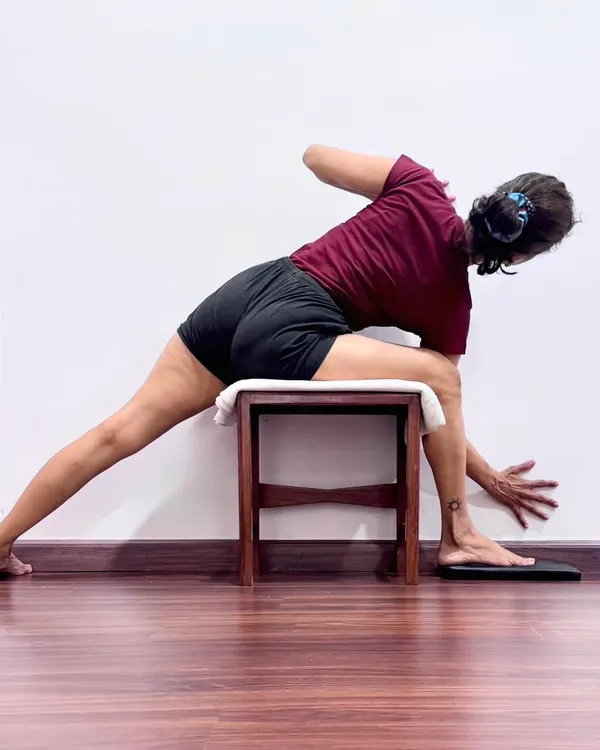 100
100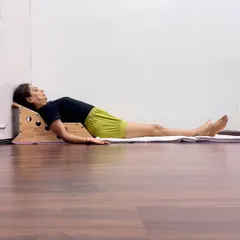
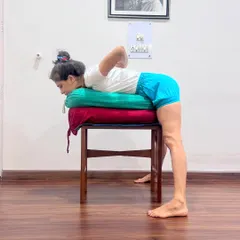
Precision Iyengar Yoga Classes with Props
The Iyengar Method: Precision, Props & Practice
More from Yoga Teacher Training by Yogatute Health
More services by Yogatute Health