Iyengar Yoga with Props: Precision and Alignment
Props are not a shortcut; they are scientific tools. Discover how ropes, blocks, and chairs help you decode the anatomy of an asana, ensuring your practice is both safe and deep.
This supported variation of Dhanurasana, or Bow Pose, uses a bolster and chair to open the spine without strain. This is how we use props to intelligently and safely deepen backbends, making them accessible for therapeutic focus.
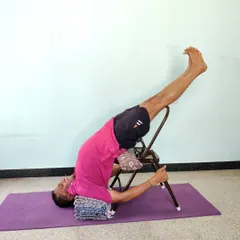
A chair can be a powerful tool for exploring deep backbends like Kapotasana. It provides the necessary support to open the heart and expand your limits safely, building courage and flexibility step by step.
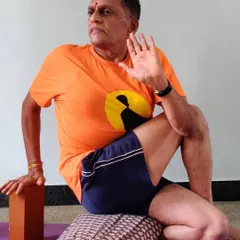
In this assisted pose, I use ropes and blocks to help the student achieve precise alignment in Visvamitrasana. The props stabilize the joints and provide tactile feedback, deepening the student's awareness and allowing for a safer, more effective stretch.
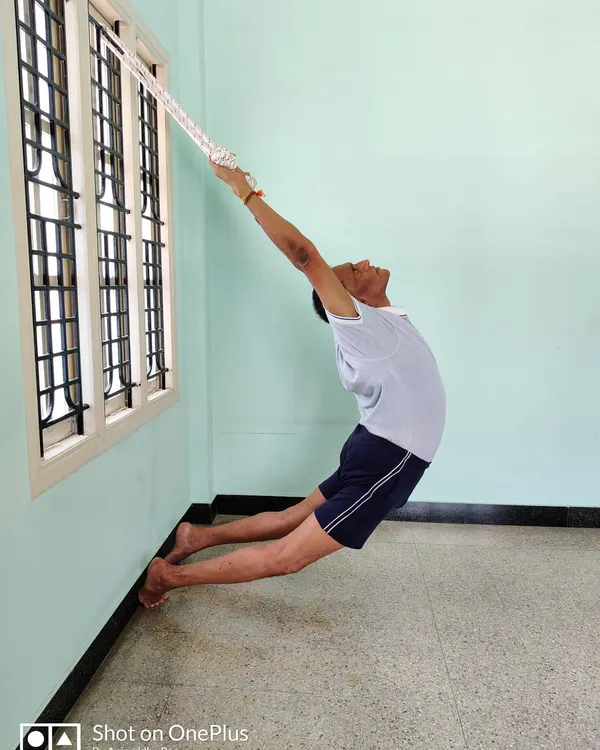
This dynamic rope sequence is designed to treat and prevent shoulder issues like tendinitis. By creating tension and moving through a full range of motion, we strengthen the supporting muscles and release tension, demonstrating the therapeutic power of Iyengar yoga.
A closer look at the supported Dhanurasana. Notice how the bolster supports the abdomen and the chair provides stability for the legs. This precision allows the body to open and the breath to flow freely.
This is the beginning of a sequence for Chatushpadasana, or Four-Footed Pose. Here, blocks are placed under the hands to elevate the chest and prepare the shoulders for the backbend.
In the next stage of Chatushpadasana, a block is placed between the hands to ensure the arms remain parallel, engaging the back muscles correctly. This small adjustment makes a significant difference in alignment.
Here, a belt is added around the ankles. This prop helps to keep the feet from splaying out, ensuring the legs are active and the foundation of the pose is strong and stable.
This advanced variation of Chatushpadasana uses a chair, blocks, and blankets for maximum support and spinal extension. This setup is excellent for therapeutic work on the back and shoulders.
Using a chair and bolster in this backbend allows for a passive, restorative opening of the chest and spine. The belt around the thighs maintains the alignment of the legs, making the pose both safe and deeply effective.
About The Art of Alignment: Iyengar Yoga with Props
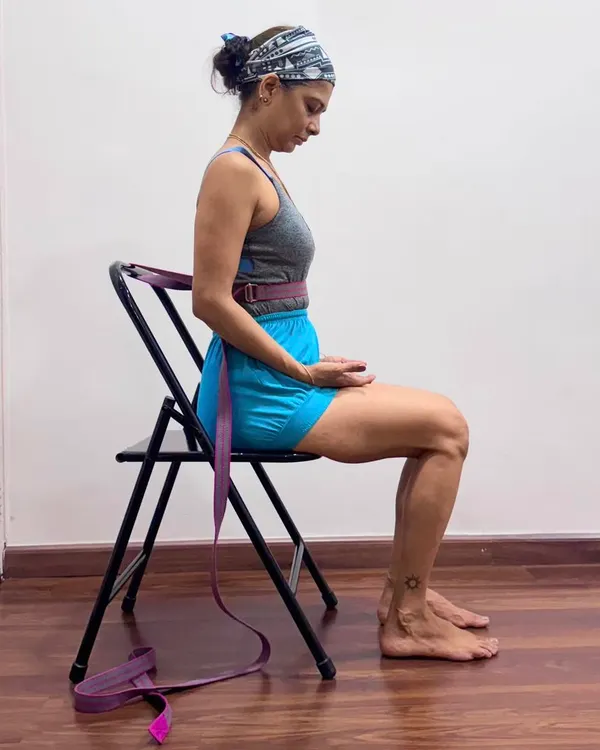
In Iyengar yoga, we don't force the body into a shape. We use props like ropes, chairs, and bolsters to create the necessary space for the joints to align correctly. When you use a chair to support a backbend or a belt to stabilize the femur, you are not skipping the work; you are allowing your nervous system to relax into the pose so you can build strength without strain.
Decoding the Asana
Many students believe that touching their toes or folding deeper is the only measure of progress. But in my studio, we look at what is happening under the skin. Whether it is the 'tripod of the foot' for standing stability or the rotation of the humerus in a rope sequence, every adjustment has an anatomical purpose.
The Science of Props
I view props as architectural tools for the body:
- Ropes: We use these to create traction, which is essential for relieving tension in the spine and shoulders. They allow for a range of motion that gravity alone often restricts.
- Chairs & Bolsters: These help us access the therapeutic benefits of inversions and backbends. For instance, in a supported Dhanurasana (Bow Pose), the bolster takes the weight off the abdomen, allowing for a deep, passive opening that is restorative rather than exhausting.
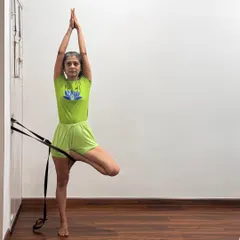
- Blocks & Belts: These are critical for spatial awareness. They provide the tactile feedback needed to correct your alignment in real-time, helping you engage the correct muscles—like the biceps or pectoralis—without overloading the tendons.
Why This Matters
My goal is for you to understand the mechanics of your own practice. By working on the root cause of an imbalance—whether it's tight shoulders from office work or a stiff spine—we address the 'Aahar, Vihaar, and Vichar' (diet, lifestyle, and thought). You are not just learning a pose; you are learning how to maintain your body’s health long after you leave the mat at our Sushant Lok studio.
Similar work from other experts
Browse through Curated picks from other experts on mytribe
 4
4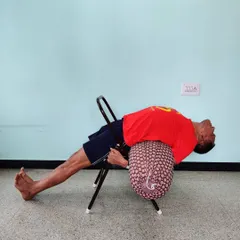
Iyengar Yoga Props for Precision
Yoga with Props: Precision for Deeper Alignment
Master Your Yoga Alignment with Props
 15
15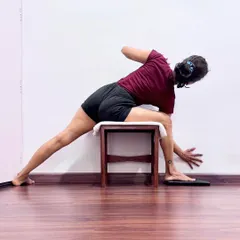
The Iyengar Method: Precision with Props
The Science of Asana: Prop-Based Practice
Iyengar Yoga Props for Alignment and Support
More from Yoga Teacher Training by Arogyam Vardan
More services by Arogyam Vardan