Building the Squat: Expert Powerlifting Form & Coaching
Your squat is more than weight on your back; it’s a test of technique, bracing, and mental grit. I'm Coach Vishwa, and I’ll help you break down your form to add kilos to your bar safely.
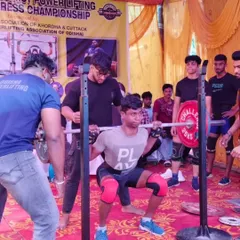
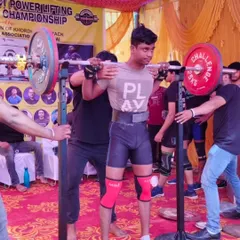
A solid 310kg squat. Feeling stronger than ever. Each lift is a step closer to becoming better, stronger, and unstoppable. Grateful for the blessings of Hanuman Ji.
Back under 310kg. After months of work and recovery, it's great to see progress. I'm not where I want to be yet, but every session brings me closer to the state championship.
Day 4 of my challenge. After being down with a fever, I came back and tested my legs with a 300kg squat. It moved smoother than I expected. Mindset matters.
Day 12 of my challenge. 295kg for 2 solid reps. Locked in, focused, and always aiming higher. With the right mindset and team, there is no limit.
Back in equipped gear after a long time. This 270kg squat shows the strength is there, but now it's time to dial in the depth to make it competition-ready.
Day 80 of my challenge. A 270kg squat for 3 reps. I know I still need to work on my depth, and I am open to feedback from other lifters. We are always learning.
Day 73 of my challenge. Squat day with 270kg. Felt better, but still need to work on depth and build more confidence. Recovery and patience are part of the process.
Day 16 of my challenge. 270kg moving smooth, controlled, and confident. Every squat is a prayer in motion, and today, with Hanuman Ji's blessings, it felt just right.
Day 1 of my 99-day challenge starts with a 270kg squat. The goal is to drop 10kg while maintaining my strength for the upcoming championships.
Day 71 of my challenge. A 270kg squat that felt heavy after a break and with a forearm injury. But I am doing my rehab and getting stronger with a free mind and soul.
About Building the Squat
You don’t need more weight to fix your squat; you need better mechanics. Whether you're struggling with depth, hip shoot, or losing your brace under heavy load, I don't just tell you what's wrong—I teach you the specific cue or accessory drill to fix it instantly, so you can build confidence and lift with control.
The Technical Foundation of a Heavy Squat
Many lifters plateau because they treat the squat as just moving weight, rather than a technical skill. At Balarka Fitness Centre, I break down the lift into its component parts: the walkout, the brace, and the descent.
My approach isn't about guessing; it's about diagnosing. If your knees cave, we work on your adductors and glute engagement. If you lose tightness in the hole, we adjust your bracing sequence. We use competition-grade equipment—calibrated plates and combo racks—to ensure your training environment mirrors the platform where records are set.
Why Form Matters
I’ve recovered from injuries and built a 310kg squat through disciplined practice. I teach the same methodology:
- Technical Cues: Small adjustments in foot position or hand width that change your bar path.
- Accessory Work: Targeted movements to address specific weak points, like lockout strength or core stability.
- Mental Reps: Overcoming the fear of the weight is as crucial as the physical lift itself.
Coaching Tailored to You
Whether you are in Bengaluru training at the facility or joining my remote championship coaching, the focus remains the same: honesty, consistency, and technique. We don't just train; we prepare for the platform. If you’re ready to stop guessing and start lifting with purpose, let’s get to work. Remember, kyonki (because) giving up is not an option.
Similar work from other experts
Browse through Curated picks from other experts on mytribe
Building the Squat for Maximum Strength
The Squat: Building Your Powerlifting Foundation
Mastering the Squat
Strength Foundations: Master Deadlifts and Squats with Bhaskar
Science-Based Strength and Powerlifting Coaching
Powerlifting: Building Raw Strength
More from Powerlifting Coaching by Vishwanath Bhaskar
More services by Vishwanath Bhaskar