Capoeira Music, Rhythm, and Brazilian Culture
Music is the heartbeat of the roda. Join us to learn the berimbau, play the pandeiro, and sing traditional Portuguese songs that drive the energy of every game.
A look inside our music sessions where students learn to play instruments and sing together. The video also shows a 'batizado' ceremony, where students receive their first belts.
An instructor leads a music circle with young children in an outdoor setting. Storytelling and singing are key parts of how we introduce them to Brazilian culture.
Learning rhythm through call and response. An instructor leads the kids in a clapping game, teaching them the beat and timing that drives Capoeira music.
An instructor plays a stringed instrument for a group of captivated children during an outdoor weekend session, sharing the stories and sounds of Brazil.
A music circle under the shade of a tree. The instructor introduces the 'pandeiro' (a type of tambourine) to a group of young learners at a summer camp.
An instructor leads a circle of young students, teaching them Portuguese words and songs. Language and music are deeply integrated into our classes.
An instructor leads the 'bateria', the orchestra of the Capoeira roda. Students are learning to play the berimbau, atabaque (drum), and pandeiro.
Learning to count in Portuguese is a fun part of our warm-ups. An instructor leads the kids as they call out numbers while stretching.
An instructor plays the 'berimbau', the lead instrument in Capoeira, for a circle of young students, teaching them a traditional song.
The bateria in full swing during our Batizado event. Students and instructors play instruments and sing together, creating the powerful energy for the roda.
About Music, Rhythm & Culture
Music is the heartbeat of the roda. You will not just be learning kicks; you will sit with the bateria (orchestra) to find the rhythm of the berimbau and sing traditional songs in Portuguese. It takes practice to coordinate the clapping and the beat, but it is how we create the shared energy that drives the movement.
The bateria is what makes Capoeira stand out. Think of it as a live band that controls the energy of the space. When the music speeds up, the game intensifies. When the rhythm slows down, the movements become more grounded and strategic.
You will get hands-on time with the instruments that drive our circle. We start with basic hand claps to learn the 3/4 time signature. From there, you progress to the pandeiro (frame drum) and eventually the berimbau, which is the soul of the art.
Learning the songs is just as important as the movement. We sing in Portuguese because it connects us directly to the history and philosophy of Capoeira. You do not need to speak the language to start. We break down the lyrics into easy, repetitive chorus lines that you will pick up quickly during our sessions.
We host these music-focused sessions as part of our regular classes in Bangalore and Mumbai. Whether you are a total beginner or a long-time practitioner, the rhythm is where you find your place in the tribe. It is how strangers stop being strangers and become a community.
Similar work from other experts
Browse through Curated picks from other experts on mytribe
 12
12
Music and Movement Programs for Kids
 4
4Hands-On Indian Music Classes for Kids
Sing, Dance, and Play Music Classes for Toddlers
Exploring Instruments and Rhythm
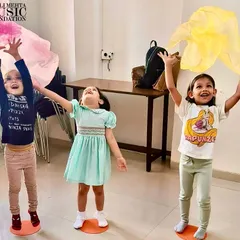
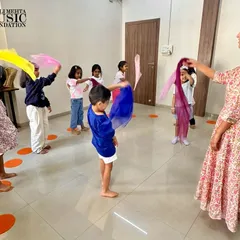
The Kodály Method in Action: Playful Learning
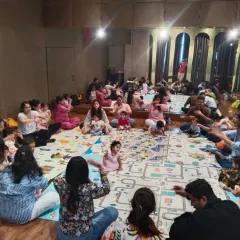
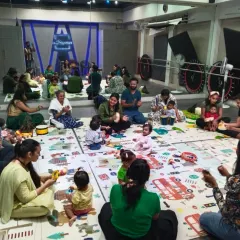
Parent-Child Music Classes in Mumbai
More from Capoeira Classes for Kids by Capoeira Academy
More services by Capoeira Academy