The Philosophy of Yoga: Ancient Wisdom for Modern Life
Yoga is not just about postures; it is a science of the self. Here, we explore the deep connection between ancient yogic texts and your daily reality to bring lasting balance.
The story of the three brothers Ravana, Kumbhakarna, and Vibhishana illustrates the three gunas in meditation. I explain how to avoid the lazy (tamasic) or ego-driven (rajasic) states and cultivate a pure, devoted (sattvic) practice.
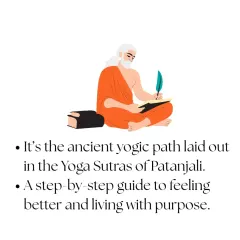
A session on the Yoga Sutras, exploring the concept of the *kleshas*, or the root causes of suffering. The first and most important is *Avidya*, or ignorance of our true nature. Yoga is the path to remove this ignorance.
A glimpse from our workshop on the Bhagwad Geeta. We explore how this timeless text provides profound wisdom for navigating the challenges of modern life with clarity, purpose, and inner peace.
What is true health? I explain the Ayurvedic definition from the Sushruta Samhita, which states that health is a balance of the doshas, digestive fire, tissues, and waste elimination, along with a pleasant state of the soul, senses, and mind.
I discuss the deep connection between Yoga and its sister science, Ayurveda. While yoga focuses on balancing the three gunas (sattva, rajas, tamas) through internal practice, Ayurveda works to balance the three doshas (vata, pitta, kapha), often with external support.
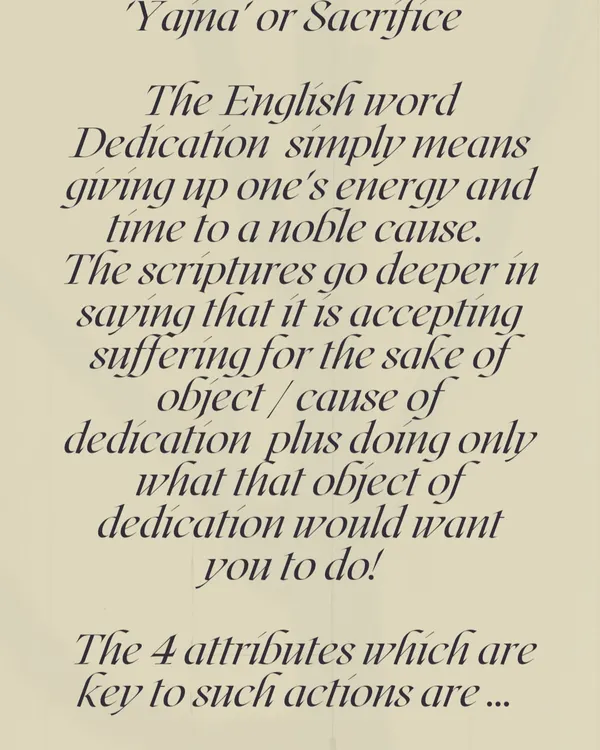
Maharishi Patanjali outlines the qualities needed for success in yoga: faith, vigor, memory, and deep concentration. The path requires firm purpose and relentless practice, but it is faith that ultimately fulfills the practitioner.
A common question is whether one must be a celibate renunciate to practice yoga. I explain that *brahmacharya* is truly about mastering the senses and desires, a practice necessary for everyone, whether married or single, to achieve mental control.
Is relaxation the only goal of yoga? I explain that true, lasting peace comes from purifying the entire system: the body, nerves, mind, and intellect. Pranayama is only effective when the channels are clear for energy to flow.
While yoga is not a therapy in itself, its practice acts as a powerful therapy for many ailments. The holistic application of asana and pranayama brings the body and mind into a state of balance where healing can occur naturally.
Yoga is a process of internal cleansing. Through asana, we generate energy in our blood to nourish every cell. The body is a mirror of the mind, and through our practice, we reflect back clarity, awareness, and intelligence.
About The Philosophy of Yoga: Ancient Wisdom for Modern Life
I don't teach philosophy as a detached, academic subject. In my sessions, we look at the 'kleshas'—the root causes of suffering—and how they manifest in your modern stress levels. We bridge the gap between Patanjali's sutras and your actual biomechanics, showing you that the mind and body are not separate, but two sides of the same coin.
Beyond the Mat: Understanding the Why
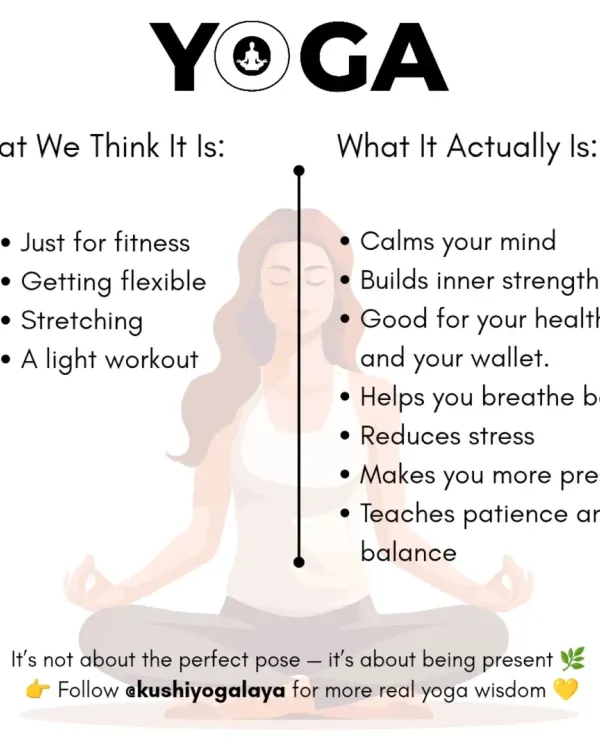
Many students come to me thinking yoga is merely a form of physical exercise. While asanas provide the physical foundation, they are incomplete without an understanding of the why. True healing requires us to examine Aahar (diet), Vihaar (lifestyle), and Vichar (thought patterns). My teaching philosophy centers on the idea that the body is a mirror of the mind; when you purify the mind through philosophy, the body naturally finds its alignment.
Core Philosophy and Modern Application
We delve into the fundamental texts that have guided yogis for centuries—the Bhagwad Geeta, Upanishads, and Patanjali’s Yoga Sutras.
- The Three Gunas: We analyze how your daily energy is affected by the states of Tamas (lethargy), Rajas (hyper-activity), and Sattva (clarity). Understanding this balance helps you navigate high-pressure work environments in a city like Gurugram without burnout.
- Anatomy and Bio-intelligence: I use skeleton models to explain that yoga is not about flexibility for the sake of aesthetics. It is a biomechanical process designed to nourish every cell and neuron, ensuring your physical structure supports your mental clarity.
Frequently Discussed Topics
Students often bring their doubts to our sessions. Does yoga require one to become a renunciate? How does pranayama actually influence the nervous system? We don't avoid these questions. We explore them through the lens of ancient wisdom, stripped of superstition and supported by the practical reality of modern life. Whether you are seeking relief from chronic pain or looking to deepen your own practice as a teacher, the path starts with understanding the root cause of your current state. Let us work together to bring your Aahar, Vihaar, and Vichar into alignment.
Similar work from other experts
Browse through Curated picks from other experts on mytribe
 8
8


Integrating Ancient Yoga Philosophy Into Modern Life

Understanding Yoga Philosophy and Core Principles
Expert Talks & Yoga Philosophy


Applying Ancient Wisdom to Modern Challenges
 61
61
Practical Yoga Philosophy: Wisdom for Modern Living
Finding the Why: Yoga Philosophy & Ancient Wisdom
More from Yoga Teacher Training by Arogyam Vardan
More services by Arogyam Vardan