Master Your Yoga Alignment with Props
Yoga is not about the pose; it is about the precision within it. Using props like wall ropes, chairs, and blocks allows you to safely find true alignment and deepen your practice.
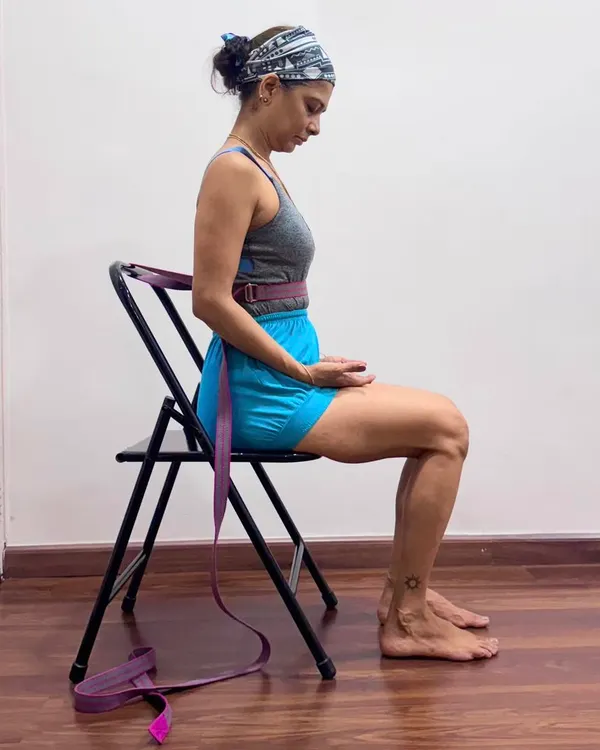
For many people who sit at a desk, upper back mobility is a major issue. Here, we use a simple chair to create a supported backbend, specifically targeting the thoracic spine. This is an effective technique to open the chest and relieve shoulder and neck tension.
This specialized ladder, combined with straps, allows for incredibly deep and supported stretches that are difficult to achieve otherwise. This student is working on an advanced standing backbend, using the props to maintain stability while opening the entire front of his body.
Aerial yoga silks provide unique support for inversions and backbends. In this video, a student uses the hammock to support her hips in Urdhva Dhanurasana (Wheel Pose), which helps decompress the spine and allows for a deeper, more relaxed opening.
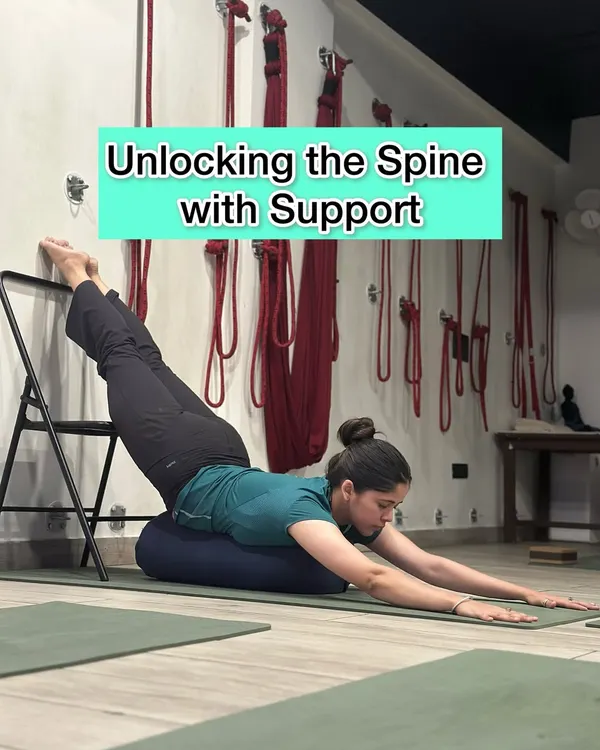
This is another example of using a prop wall for advanced backbends. The student uses the ladder and a bolster for support in a variation of Dhanurasana, allowing her to focus on opening her shoulders and thoracic spine without straining her lower back.
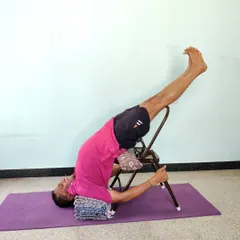
The chair is a versatile prop for mastering difficult poses. Here, a student practices Eka Pada Rajakapotasana using a chair for support, which helps isolate the stretch in the hip flexors and quadriceps while building the strength and flexibility for the full pose.
Wall ropes are excellent for developing flexibility for poses like Hanumanasana (the splits). This student is using the ropes to support his weight, allowing him to relax into the stretch and safely work on opening his hamstrings and hip flexors.
This video shows several students using wall ropes to practice variations of Dhanurasana (Bow Pose). The ropes provide leverage to lift the chest and deepen the backbend, teaching the body the correct muscular engagement for a safe and effective heart-opening practice.
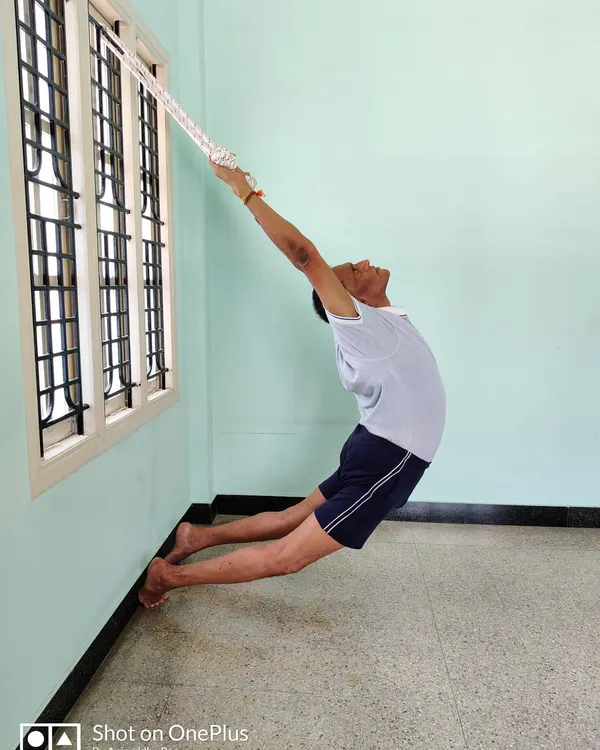
This side view of a student in a wall-rope-assisted pose shows the perfect spinal alignment we aim for. The ropes support the body's weight, allowing for a full extension from the heels to the crown of the head, which builds incredible core and back strength.
Here you can see the combination of a ladder and wall ropes to support a student. This setup provides maximum stability, allowing the practitioner to focus purely on the muscular engagement and alignment of this demanding strength-building pose.
This top-down angle shows the full extension of the arms and the engagement of the back muscles in this rope-assisted pose. This practice is highly effective for correcting rounded shoulders and building a strong, upright posture.
About The Art of Alignment: Using Props for Deeper Practice
Think props are for making yoga easier? That is a mistake. In my sessions, we use wall ropes, chairs, and bolsters to create necessary traction and stability. These tools force your body into the correct alignment, allowing you to hold deep poses like inversions or backbends safely. If you want results, you have to do the work, and these props simply make sure that work is precise and effective, not damaging to your joints.
True yoga is 'Chitta Vritti Nirodha'—quieting the mind. But you cannot focus on your mind if your body is struggling with pain or improper posture. That is why I use the Iyengar tradition of props.
My studio is equipped with a wall-rope system, which is crucial for spinal traction. If you suffer from back pain or cervical issues, these ropes take the pressure off your vertebrae, allowing you to hang and stretch the spine safely. We also utilize iron chairs and yoga wheels for backbends. These aren't just accessories; they are tools that teach your muscles how to engage correctly.
When we practice poses like Hanumanasana (the splits) or Urdhva Dhanurasana (wheel pose), the goal is to open the body without strain. Beginners often injure themselves by rushing into flexibility. My method uses blocks and belts to create a bridge, ensuring you build the required strength and flexibility over time. Whether you are dealing with chronic stiffness or looking to refine your advanced practice, the props help us achieve a level of depth that free-standing poses often cannot reach.
This is not a relaxing hobby; it is a disciplined practice. My approach to alignment is hands-on and intense because 'parivartan' (change) requires burning through the old habits of the body. If you are ready to be consistent and move beyond your current limitations, join me for a session in New Ashok Nagar or Mayur Vihar.
Similar work from other experts
Browse through Curated picks from other experts on mytribe
 4
4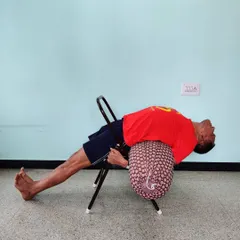
Iyengar Yoga Props for Precision
 22
22
Iyengar Yoga with Props: Precision and Alignment
 15
15
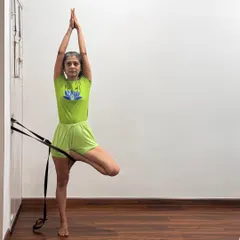
The Iyengar Method: Precision with Props
Precision in Practice: Iyengar-Inspired Prop Yoga
Yoga with Props: Precision for Deeper Alignment
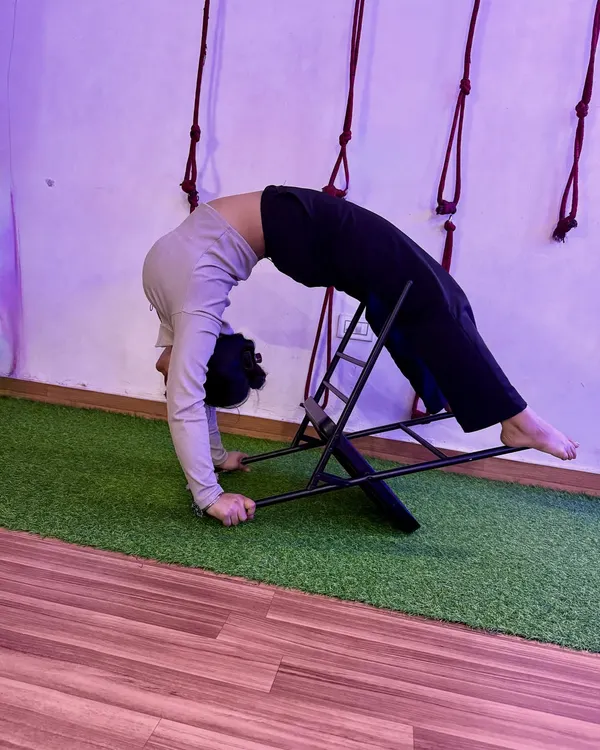 85
85
Yoga with Props: Deepen Your Practice with Better Alignment
More from Private & Corporate Yoga by Sunil Yogi
More services by Sunil Yogi