Your Yoga Questions Answered
Starting a yoga practice can feel intimidating. From flexibility worries to timing your meals, I address the common concerns that often stop people from stepping onto the mat.
Many people think yoga is just stretching, but it's so much more. We connect movement, mind, and breath to build awareness. Your body will become more flexible, but more importantly, your mind will too.
Ever notice one side of your body is more flexible than the other? That's completely normal. Yoga helps us become aware of these imbalances so we can work to create more symmetry and prevent injury.
Feeling dizzy during yoga is not uncommon. It can be caused by dehydration, low blood sugar, or moving too quickly in and out of poses. I always advise moving slowly, breathing deeply, and resting when you need to.
It's best to avoid eating a heavy meal 2 to 3 hours before class. We twist, fold, and go upside down, so practicing on a relatively empty stomach is much more comfortable. A light snack an hour before is fine if you need it.
When is the best time to practice? It's your choice. The most important thing is consistency. Experiment and find a time that works for your energy levels and schedule, and your body will thank you for it.
How often should I practice? Even one hour a week will bring benefits. I suggest starting with two or three sessions a week and seeing how you feel. Don't let unrealistic goals stop you, just do what you can.
Do your joints pop and crack during practice? Usually, these noises are harmless, caused by gas bubbles or simple friction. As long as there is no pain, it's just a normal part of a body in motion.
Muscle cramps can happen due to dehydration, mineral imbalance, or muscle fatigue. To prevent them, stay hydrated, don't lock your knees, and relax your toes. If a cramp occurs, gently exit the pose and breathe.
About Your Yoga Questions Answered
Many people hesitate to start yoga because they think they need to be flexible first. Honestly, that is exactly why you should start. We use props like blocks and walls to adapt poses to your current range of motion. My focus is on alignment and safety, not on how deep you can stretch. You do not need to be a gymnast to practice; you just need to show up.
Common Questions About Starting Yoga
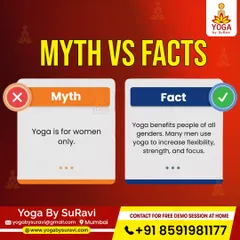
Is yoga only for flexible people? No. Think of flexibility as a result of the practice, not a requirement to join. If you have tight hamstrings or stiff shoulders, we use modifications. You will learn to use blocks, straps, or the wall to make the pose fit your body, rather than forcing your body into a pose.
What about dizziness? Feeling lightheaded can happen, especially if you move too quickly between standing and floor poses. It often stems from dehydration, low blood sugar, or locking your knees. I always teach students to move slowly, stay hydrated, and practice on a relatively empty stomach to prevent this.
When should I eat before class? Avoid heavy meals two to three hours before practice. Because we twist, fold, and sometimes go upside down, digestion becomes uncomfortable if you have a full stomach. If you are worried about energy levels, a small snack like a piece of fruit or dry fruits about 45 minutes before class is perfectly fine.
Why do my joints pop? It is common to hear creaking or snapping noises during class. This is usually just harmless friction or gas bubbles moving in the joint space. As long as you are not feeling pain, these sounds are a normal part of a body in motion.
How much should I practice? Consistency beats intensity. You will see more benefits from practicing 20 minutes three times a week than from one intense, hour-long session that leaves you sore for days. Find a rhythm that lets you show up regularly without it feeling like a burden.
Similar work from other experts
Browse through Curated picks from other experts on mytribe
Yoga Lifestyle & Insights: Practical Tips and Daily Routines
Common Yoga Myths and Wellness Truths Explained
Integrating Yoga into Your Daily Life

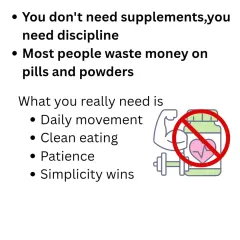
Science-Backed Nutrition & Lifestyle for Yoga
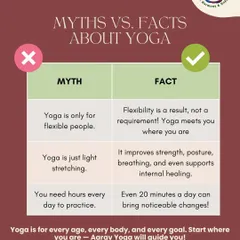
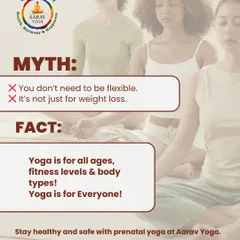
Is Yoga Right for You? (Let's Bust Some Myths)
 8
8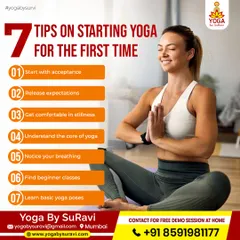
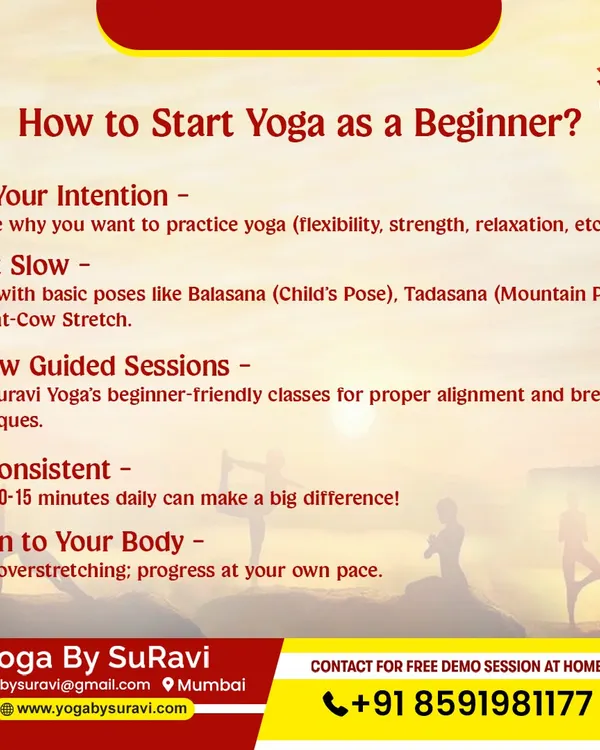
Start Your Yoga Journey: A Simple Guide for Beginners
More from Yoga for Fitness and Flexibility by Sanjana
More services by Sanjana