Deep Stretches & Flexibility with Aerial Yoga
The hammock acts as a supportive partner, helping you safely explore deeper ranges of motion. Whether you’re looking to open tight hips or find length in your spine, we use the fabric to release tension in ways floor yoga often can’t.
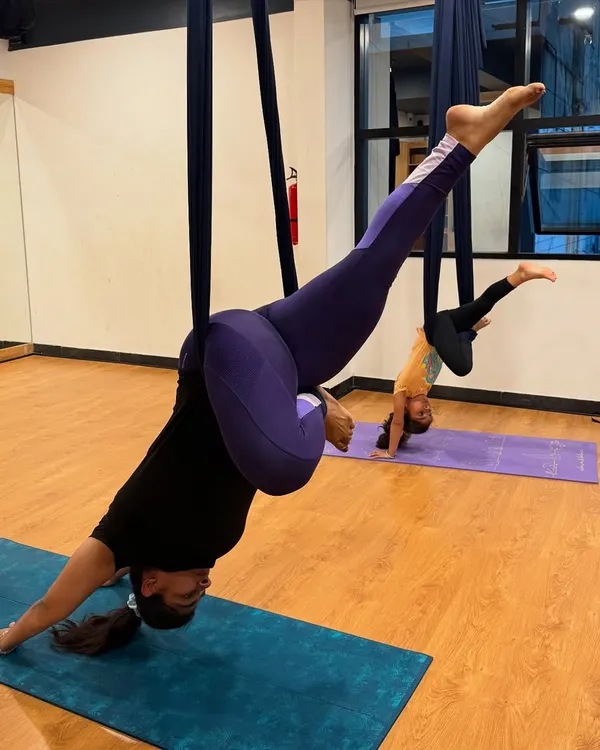
Splits have always been a love of mine. This video shows a standing split variation in the hammock, demonstrating how we can flow into and out of deep stretches gracefully.
This is my Hanumanasana in the air. The hammock provides the perfect support to work on front splits, helping to align the hips and deepen the posture safely.
This video captures a delicious full-body stretch. We use the hammock to lengthen the spine and open the side body, releasing tension and creating space.
Experience the magic of anti-gravity yoga. This deep backbend, supported by the silk, helps to open the heart and shoulders while building trust in the fabric.
Even after a hectic day, the hammock calls. This supported split allows for a deep release in the hamstrings and hips, a perfect way to unwind.
Creating different shapes is part of the joy of aerial practice. This gentle backbend, cradled by the hammock, helps to improve spinal flexibility and open the chest.
Finding bliss in any form of splits. Here, the hammock cocoons the body, providing a sense of security while allowing for a deep split stretch.
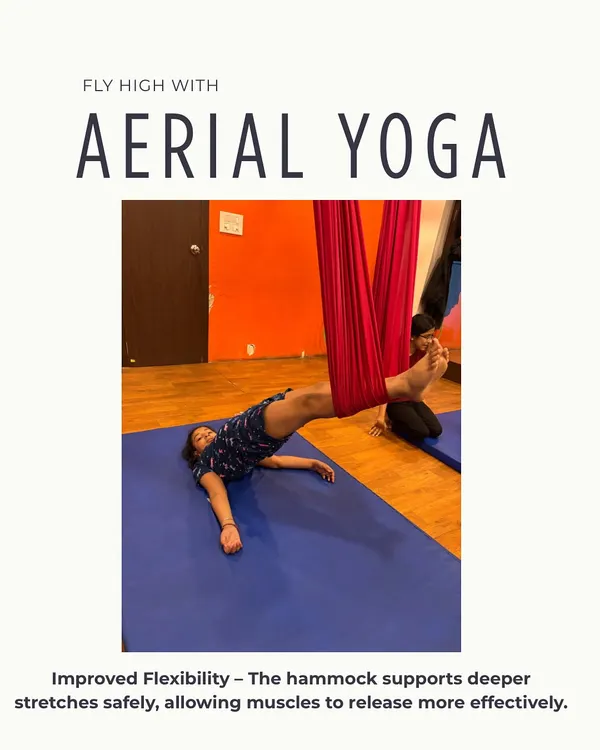
Splits can be explored from any angle. This inverted variation uses gravity to assist in the stretch, offering a new perspective on a classic yoga pose.
With every practice, I fall more in love with the process. This seated split in the hammock is a great way to work on hip flexibility while feeling fully supported.
About Deep Stretches & Flexibility
You don’t need to be naturally flexible to start aerial stretches. The hammock supports your body weight, which means you can sink into postures that feel intense on a yoga mat but become manageable, and even relaxing, in the air. We focus heavily on hip and shoulder release—areas where most people hold the most stress—using the fabric to provide the stability you need to let go.
How Aerial Stretches Work
Traditional floor yoga relies entirely on your own strength to hold an alignment. In aerial yoga, the hammock takes on some of the load. This is a game-changer for flexibility training because it removes the 'fight' against gravity. You aren't just stretching; you are decompressing.
We utilize Low-stretch Nylon Tricot hammocks, which provide a stable, firm base. This allows you to explore:
- Spinal Decompression: By hanging inverted or in supported reclined positions, we take the pressure off your vertebrae, allowing the spine to lengthen naturally.
- Deep Hip Opening: Using the hammock to support one leg while you stretch the other (like in our aerial Hanumanasana variations) ensures your hips stay square and aligned, preventing injury.
- Shoulder Mobility: Many of us carry tension in our traps and shoulders. Through specific aerial transitions, we open the chest and stretch the lats, which helps improve posture significantly.
Your Safety in the Air
I know the idea of going upside down can be nerve-wracking. That is why every session at my Sanpada and Seawoods studios begins with a focus on safety. We use professional-grade rigging with a 900kg+ load capacity and high-density foam crash mats under every hammock. Whether we are practicing inverted butterfly poses or simple supported stretches, you are always in control of your movement. We move at your pace, transitioning from floor-based warm-ups to aerial work only when you feel stable and ready.
Similar work from other experts
Browse through Curated picks from other experts on mytribe
Aerial Yoga Flexibility and Deep Stretching
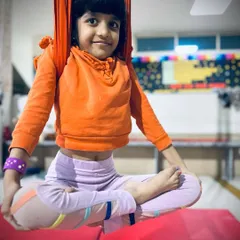
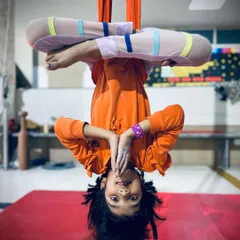
Aerial Yoga & Hammock Flow Classes
 51
51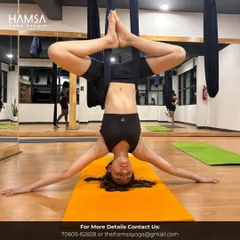
Aerial Yoga: Fly and Flow
 4
4
Aerial Yoga: Float, Flow & Find Freedom
 16
16
Aerial Yoga: Fly High and Build Core Strength
Aerial Yoga Classes for Strength and Flexibility
More from Aerial Yoga by Sushmita Mukhia
More services by Sushmita Mukhia