Ashtanga Yoga Practice in Nature
Yoga asks us to turn inward, yet stepping into nature helps us see that internal journey with clarity. Practicing under an open sky or near ancient stone reminds me that we are never separate from the elements around us.
A photo of Matsyasana (Fish Pose) in a historic setting, reminding us that growth begins with one small step forward.
A beautiful shot of Parivrtta Janu Sirsasana against ancient stone pillars, a pose that encourages graceful opening and extension.
Urdhva Mukha Paschimottanasana practiced near ancient carvings, blending the art of yoga with the art of history.
Practicing the finishing sequence outdoors, surrounded by nature, which teaches persistence and resilience through difficulties.
A video of my practice in a natural setting, my "happy place," where I am reminded that yoga enters our lives when we are ready to find the truth inside.
A raw and tiring practice in the woods, with a deer visiting in the background, showing our commitment to be present on the mat amidst all creatures.
A photo of me in Hanumanasana (splits) in a forest in Masinagudi, a getaway surrounded by animals, mountains, and a clear sky.
Another view of my practice in Masinagudi, a heart-filling experience connecting with nature and its forgiving spirit.
Practicing backbends outdoors, which are meant to open the heart to acceptance of the present moment and the changes that occur.
A photo of Kukkutasana in a temple corridor, showing that practice is a unique inner journey that reveals itself over a long period of time.
About Practice in Nature
When I practice outside the studio, whether in the quiet of a forest or a temple corridor, I do not change the Ashtanga sequence, but the environment changes me. It forces me to let go of the need for a climate-controlled space and instead lean into the heat, the wind, and the uneven ground. If you feel stuck in your routine, trying your practice in a new environment might be the shift you need to find a fresh perspective.
Yoga is not restricted to the four walls of a shala. My own journey with the Ashtanga system has taken me from the dedicated Mysore practice space to nature retreats and ancient temple corridors. These experiences have taught me that the practice, or sadhana, carries its own integrity regardless of where you unroll your mat.
Practicing in nature requires a different kind of discipline. You cannot control the temperature, the humidity, or the surface you are standing on. In a forest, you might have to deal with uneven ground or distractions, but this is exactly where the practice becomes real. It stops being about achieving a perfect posture and becomes about maintaining a steady breath and focused mind despite external variables.
If you have been practicing in a studio for a long time, the transition to practicing outdoors can feel daunting. Start simple. You do not need to head to the mountains to do this. Begin with a quiet corner of a park or even your balcony. The goal is to cultivate the same level of focus and internal heat that we build in our HSR Layout shala sessions.
Ashtanga Yoga is designed to be a portable practice. Once you learn the primary series, you carry the tool for stillness with you wherever you go. Whether you are traveling for work or simply looking to reconnect, your mat is your anchor. My classes are here to help you build that foundation so that eventually, you can find your center, no matter where you are.
Similar work from other experts
Browse through Curated picks from other experts on mytribe
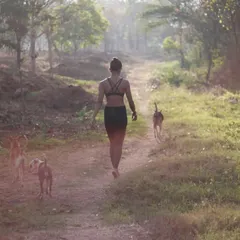

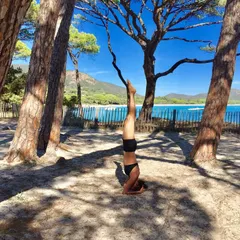
Yoga in the Wild: Connecting with Nature
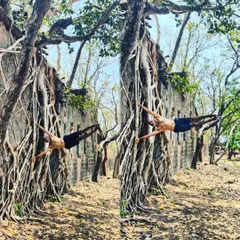
Nature-Inspired Yoga Practice: Finding Balance Beyond the Studio
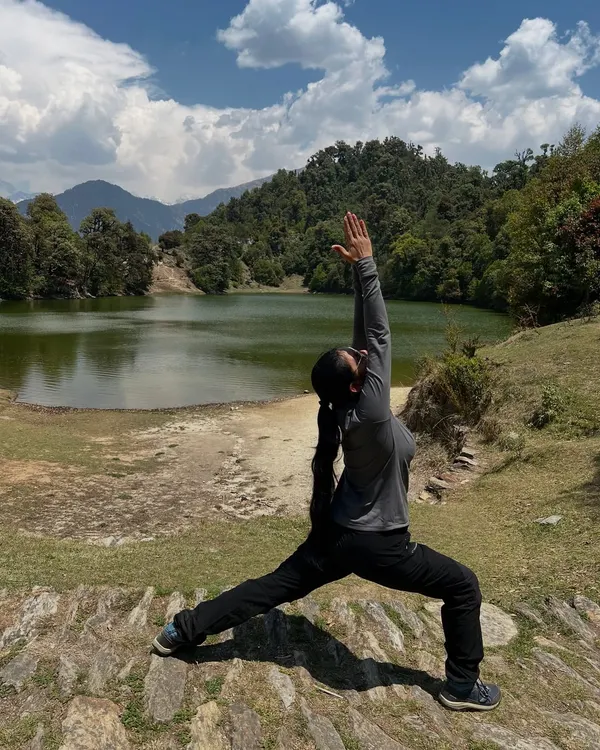 42
42
Yoga in Nature Sessions
Yoga in Nature: Finding Stillness Outdoors
 9
9
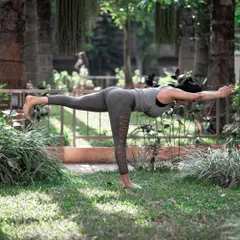
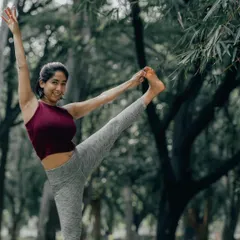
Outdoor Yoga and Nature Practice in Bengaluru
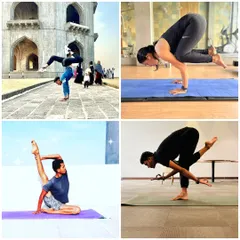
Yoga Practice at Adiyogi and Natural Landscapes
More from Ashtanga Yoga Classes by Sanjana Sekar
More services by Sanjana Sekar