Lower Body Sports Injury Treatment and Recovery
Your lower body bears the brunt of every mile run and every match played. I use data-driven movement assessments to find the root cause of your knee, hip, or ankle pain, helping you move past the symptoms and return to your sport safely.
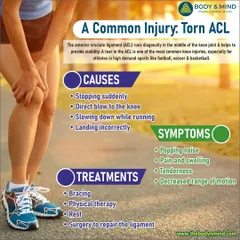
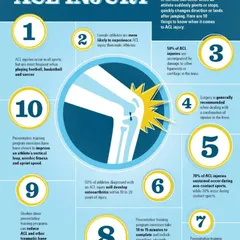
ACL injuries are one of the most feared issues in sports, but they are often preventable. This infographic breaks down what the ACL is, how injuries happen (both contact and non-contact), the key symptoms to watch for, and how strength training and body awareness can protect your knees.
A hamstring pull can be a sharp, debilitating injury for runners. I explain the common causes, like muscle weakness or compensation, and the symptoms of hamstring tendinopathy. Most importantly, I tell you what not to do: never stretch a freshly pulled hamstring.
Achilles tendinopathy is an overload injury of the strongest tendon in your body. It's common in runners and court-sport athletes due to repetitive loading. I discuss why calf mobility and managing load are critical for both treatment and prevention.
That sharp, stabbing pain in your heel, especially with the first steps in the morning, is the classic sign of Plantar Fasciitis. I explain that the root cause can often be traced back to your hips or calves, and treatment requires looking at the entire kinetic chain, not just the foot.
Did you just pull your calf during a run? The first 48 hours are critical. I explain what to do immediately after a calf strain, including the importance of gentle movement, icing, compression, and elevation to manage swelling and kickstart the healing process.
What should you do in the first 48 hours after twisting your ankle? I provide a clear guide: test if you can bear weight, elevate the ankle, and avoid anti-inflammatories right away. A crepe bandage can hamper circulation, so I recommend wearing a double sock for gentle compression instead.
Ankle strength equals full-body stability. It's the joint most people ignore, but it's the foundation for all your movement. Let's fix it before it becomes a problem.
Why does ankle stability matter so much? Weak ankles lead to poor balance, a higher risk of injury, and instability that travels up to your knees and hips. This isn't just a problem for elite athletes; it affects everyone.
Do you experience repeated ankle sprains or wobble during single-leg exercises like lunges? These are common signs of ankle instability. All of these issues start at the ankle and can be corrected with targeted exercises.
An unstable ankle sets off a chain reaction. It can lead to a misaligned knee, an overloaded hip, and eventually, low back strain. Building strong, stable ankles is essential for keeping your entire movement chain safe and efficient.
About Common Injury Deep Dive: Lower Body
Most lower body pain is a symptom, not the problem. If you have heel pain, your issue might actually start at your hip or calf. My goal is to identify that specific breakdown in your kinetic chain using movement screening. We won't just treat the painful area; we will address the underlying compensation so you can stop dealing with recurring setbacks.
Treating the Kinetic Chain
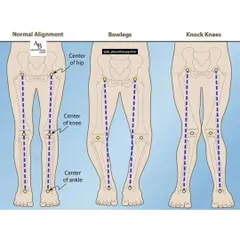
Your body works as a connected system. When one joint fails to move properly, the burden shifts to another, creating an overload. For example, a stiff ankle often forces the knee to compensate, which may eventually lead to knee pain or even ACL stress. My approach is to stop chasing the pain and start fixing the movement patterns that caused it.
Common Conditions I Treat
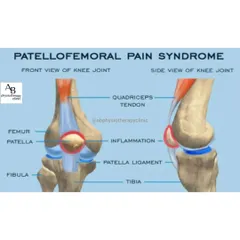
- ACL & Knee Health: Knee injuries are often preventable. I focus on landing mechanics, strength, and proprioception to protect your joints, whether you are an athlete or simply active.
- Tendinopathy (Achilles, Hamstring, Plantar Fascia): These are often overuse issues. Instead of just resting, I use progressive loading to strengthen the tendon so it can handle your daily or athletic load again.
- Ankle Instability: Weak ankles cause a ripple effect up to your lower back. I use targeted stability drills to build a foundation that supports your whole body.
Understanding Your Pain
It is vital to know when to push and when to pause.
- Good Pain: Delayed muscle soreness that fades within 24 to 48 hours is a normal response to training.
- Bad Pain: Sharp, stabbing sensations, or pain that persists beyond 48 hours, is a warning. If you feel this, stop overloading the tissue and seek a professional assessment.
My rehab process is active, not passive. I do not recommend long periods of total bed rest unless strictly necessary. Controlled movement is medicine, and my goal is to guide you through a structured, data-backed plan that gets you back to running, lifting, or playing without fear of re-injury.
Similar work from other experts
Browse through Curated picks from other experts on mytribe
Knee, Hip, and Leg Pain Relief - Expert Physiotherapy in Noida
Lower Body and Joint Pain Rehabilitation
 11
11

Knee, Foot, and Ankle Physiotherapy
Knee, Ankle & Foot: Rebuilding Functional Strength
 18
18
Data-Driven Sports Injury Rehabilitation
Athlete Recovery & Peak Performance Programs
More from Sports Injury Rehabilitation by Paridhi Ojha
More services by Paridhi Ojha