Sports Injury Rehabilitation in New Delhi

I find the real reason behind your sports injury using movement tests and 3D analysis, then give you a step-by-step, active rehab plan to get you back in your game and help you avoid getting hurt again.
Pricing Guide
ESTIMATESAbout Sports Injury Rehabilitation
My Philosophy
I look at sports injuries as more than just a sore spot. Sometimes, your shin pain is actually coming from your hip, or your tennis elbow is linked to your neck. I dig deep to find the real reason behind your pain, so you can get back to your game and stay there.
How I Work
- Movement is medicine. I don’t believe in just lying around and waiting for things to heal. Controlled movement helps you recover faster.
- I use data, not guesswork. Tools like movement assessment for sports injuries and 3D gait analysis help me figure out what’s really going on.
- Longevity matters. My aim isn’t just to get you through the next match, but to help you play for years without nagging injuries.
The Process
- First, I listen to your story and do a full check-up. If needed, I use scans like X-Ray or MRI, but only when it’s actually useful.
- Rehab is hands-on and active. I use manual therapy, dry needling for athletes, and targeted exercises like plyometrics or eccentric strengthening. I’ll also tell you what not to do, like never stretching a fresh hamstring pull.
- The last step is getting you back to your sport, stronger and less likely to get hurt again. I give you a clear plan, not just a vague “ease back in”.
What I Treat
I help with running injury recovery, ACL injury prevention, tennis/golfer’s elbow, frozen shoulder, lower back pain, court-sport injuries, and more.
Good Pain vs. Bad Pain
- Good pain: Muscle soreness that fades in a day or two.
- Bad pain: Sharp, stabbing pain or anything that sticks around more than 48 hours. That’s when you need to get checked.
Highlights
Browse through Paridhi Ojha's best work
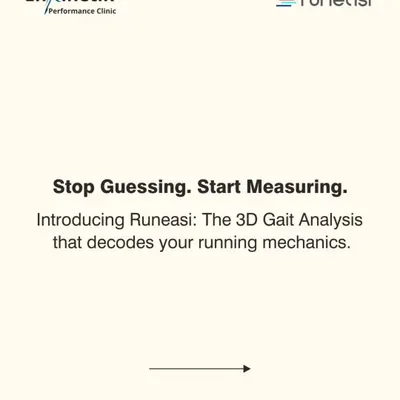
For Runners: Injury-Free Performance
Diagnosing Your Pain: When to Get Scans & Assessments
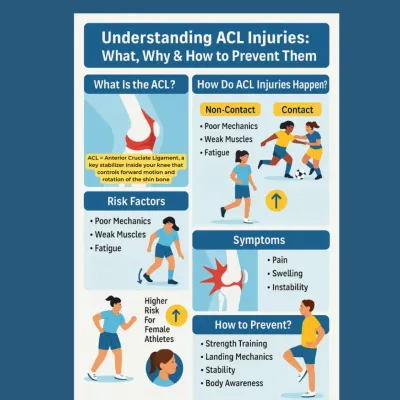
Common Injury Deep Dive: Lower Body
Common Injury Deep Dive: Upper Body & Spine
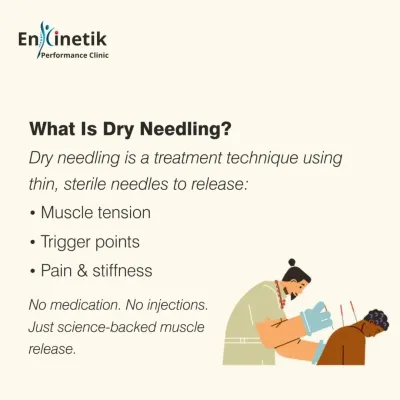
My Treatment Toolkit: Manual Therapy, Dry Needling & Taping
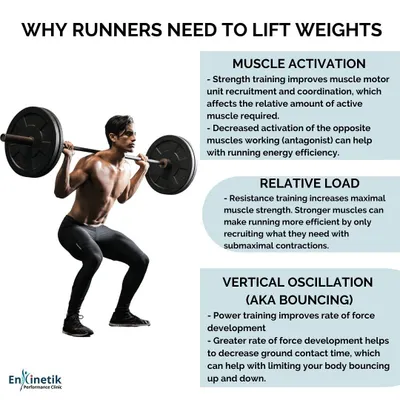
The Athlete's Lifestyle: Training, Nutrition & Recovery
Fix Your Posture: A Guide for Desk Workers
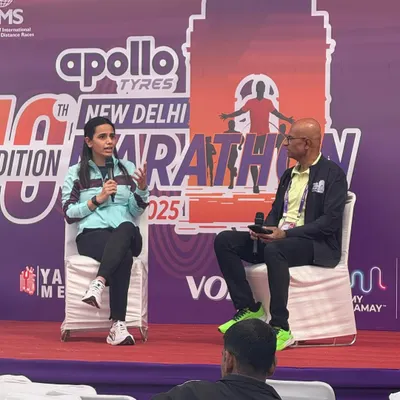
My Work in the Community: Workshops & Events

Client Stories & Testimonials
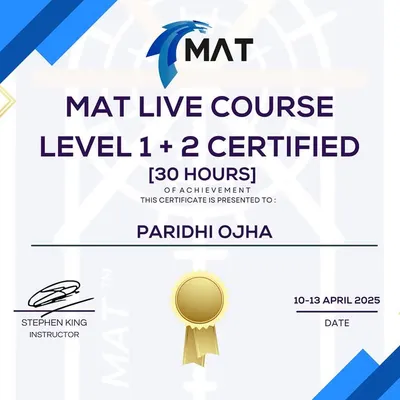
Additional Certifications & Media
Meet your Expert
Paridhi Ojha
My Story
We are Enkinetik Performance Clinic, started by a tennis player turned sports physio. Our team lives and breathes running - you’ll spot us at marathons, local runs, even working with world para athletes. We love sharing what we learn, whether it’s with Nike trainers or folks just starting out. For us, it’s about more than fixing injuries - we believe in balance, enjoying life, and celebrating every step, both on and off the track.
My Work
What We Do - Sports injury management, running injury assessment, (p)rehab, ACL rehab, post-menopause strength training, and 3D gait analysis for runners.
Root Cause, Not Just Symptoms - We look at the whole body, not just where it hurts. A stiff hip or weak core? We’ll find what’s really going on.
Smart Running, Not Just Hard - We use structured training like the 10% rule and 80/20 rule to help you avoid overuse injuries and run stronger.
Safe Return to Sport - ACL rehabilitation program is step-by-step, never rushed. We focus on strength, movement, and long-term recovery.
Tech Tools for Better Running - Our 3D gait analysis for runners uses real data to build plans that make you faster and keep you pain-free.