Do You Need a Scan for Your Sports Injury?
Stop guessing which scan you need. Many injuries are better diagnosed through a functional movement assessment than an expensive image. Understand when imaging is actually useful and when you can start your recovery right now.
"Do I need a scan for my ankle injury?" This is a question I hear often. In this video, I simplify the three main types of scans. An X-ray is for bones, an ultrasound is for real-time soft tissue imaging, and an MRI is the gold standard for a detailed look at ligaments, cartilage, and bone stress.
I call this the MRI Trap. An MRI is a powerful tool, but it is not the first step. I only order a scan if the results will fundamentally change the treatment plan. My primary approach is to assess, treat, and progress based on your function, not just pictures.
An X-ray showing joint space narrowing doesn't define your capabilities. What truly matters is how you feel and function. Cracking sounds don't mean your cartilage is rubbing away; it's often just a sign of inflammation, which we can manage with the right plan.
Is it a stress fracture or shin splints? Knowing the difference is crucial for proper treatment. A stress fracture typically presents as localized pain in a small area, while shin splint pain is more diffuse along the bone. This video helps you tell them apart.
That sharp pain in your side during a workout is called a side stitch, or Exercise-Related Transient Abdominal Pain (ETAP). It's a common issue that can be frustrating for many athletes.
Several factors can increase your risk of getting a side stitch. These include your age, eating or drinking too close to exercise, high-intensity workouts without a proper warm-up, and a poor overall fitness level.
There are several ways to treat a side stitch when it happens. I recommend stopping the activity briefly, focusing on deep breathing, gently pulsating the affected area with your hand, and stretching the affected side by reaching your arm overhead.
About Diagnosing Your Pain: When to Get Scans & Assessments
I often see athletes rush to get an MRI when a simple clinical assessment could have identified the root cause of their pain. My process starts with a 1-on-1 screening at my GK-1 clinic, where I check your movement patterns to see if a scan is even the right next step for your specific injury. We only order imaging if the results will fundamentally change the management plan, such as suspecting a fracture or a full ligament rupture.
Stop Guessing: The Imaging Myth
Not all pain requires the same imaging. Choosing the right tool is the difference between a quick recovery and a missed diagnosis. In my practice, I treat the person, not just the image on a scan.
Which Scan Should You Consider?
- X-Ray: The best way to look at bone structure. This is the fastest, cheapest way to rule out a fracture or dislocation if you have heard a pop or cannot bear weight.
- Ultrasound: A fantastic way for real-time imaging of soft tissues like tendons or muscles. It helps us see how the tissue moves when you contract the muscle, which is great for diagnosing tendinopathy or inflammation.
- MRI: The gold standard for detailed looks at ligaments, cartilage, and bone stress. I typically only recommend this if clinical tests are inconclusive after two weeks or if we suspect internal structural damage like a meniscus tear.
Why Clinical Assessment Comes First
A scan is a tool, not a first step. If your clinical exam suggests a simple strain, the treatment is rest and rehab, and no scan is needed. My golden rule is that pain and symptoms combined with clinical tests guide the plan first. We use data from your movement patterns to determine the exact nature of your injury, ensuring we address the root cause, not just the painful spot. If you are in the Delhi NCR region and unsure about your current symptoms, I provide both in-clinic assessments and remote consultations to guide you on the right path to recovery.
Similar work from other experts
Browse through Curated picks from other experts on mytribe
My Diagnostic Process: Getting to the Root Cause


Debunking Physiotherapy Myths: What Actually Helps You Heal
 4
4

Physiotherapy Explained: Understanding Your Treatment
 5
5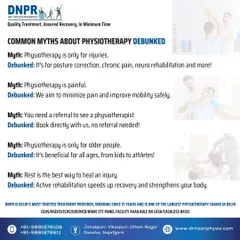


Physiotherapy Awareness: Debunking Myths and Finding Real Relief
Physiotherapy and Injury Recovery
 14
14
Understanding Your Pain: Physiotherapy Insights & Guides
More from Sports Injury Rehabilitation by Paridhi Ojha
More services by Paridhi Ojha