Expert Recovery for Upper Body & Spine Injuries
Pain in your elbow, back, or neck shouldn't stop you from moving. I help you find the root cause of your discomfort—often miles away from where you actually feel the ache—and build a plan to fix it for good.
Tennis elbow, or lateral epicondylitis, doesn't just affect tennis players. The pain on the outside of your elbow can often originate from your shoulder or neck. I explain how overuse of your wrist extensors contributes to this and why treatment involves looking at the entire upper body.
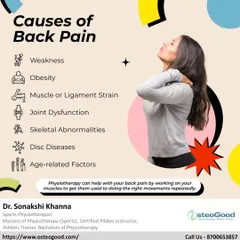
Lower back pain is often caused by overuse of the paraspinal muscles and weakness in the glutes. I explain the mechanics of conditions like sacroiliitis and why the solution involves strengthening your core and glutes, not being scared to move.
Do you have cervical pain, spondylitis, or sciatica? These are often signs of poor mobility and weak stabilizer muscles. I explain the four stages of pain and why surgery should be a last resort after identifying and treating the root cause with physiotherapy.
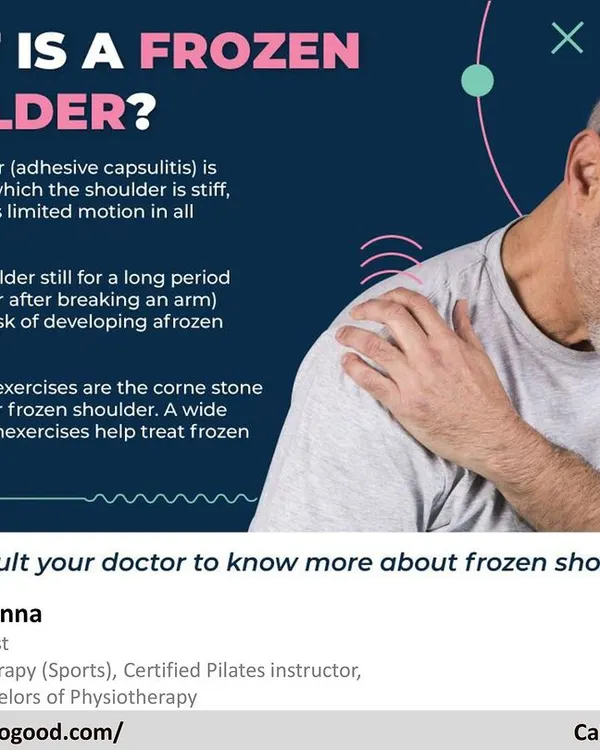
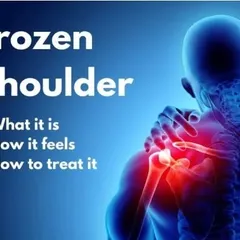
Are you struggling to lift your arm or wincing in pain when you wear a t-shirt? You might have a frozen shoulder, also known as adhesive capsulitis. I explain what causes the joint capsule to become inflamed and stiff, and why early, smart movement is the key to recovery.
What exactly is Frozen Shoulder? It's a condition where the shoulder joint capsule tightens and thickens, severely restricting movement. It is painful, stiff, and gets progressively worse if left untreated.
The common signs of a frozen shoulder include gradual stiffness, pain when reaching overhead or behind your back, and a limited range of motion even with assistance. Many people also experience sleep disturbances due to night pain.
Who is at risk for frozen shoulder? You are more at risk if you are between 40-60 years old, have conditions like diabetes or thyroid issues, or have had a period of prolonged shoulder inactivity after an injury or surgery.
What should you NOT do for a frozen shoulder? Don't just ignore it and wait for it to go away. Don't force through the pain with random exercises, and don't rely only on rest, as it can worsen stiffness.
What actually helps a frozen shoulder? A structured physiotherapy plan is essential. This includes joint mobilizations, manual therapy, progressive stretching, and strengthening when the joint is ready. Patience is key; it takes time, but it works.
About Common Injury Deep Dive: Upper Body & Spine
When you feel pain in your elbow or lower back, the natural reaction is to rest the affected area. However, at Enkinetik, we consistently find that the injury is merely the final result of a failure somewhere else in the kinetic chain. Your tennis elbow is rarely just about your arm; it is often a compensation for shoulder or neck immobility, while lower back issues frequently stem from poor glute activation. We stop treating symptoms and start addressing the biomechanical root cause.
Moving Beyond The Symptoms
Most chronic upper body and spinal conditions do not appear overnight. They are usually the result of repetitive strain, postural habits, or ignored mobility restrictions. Treating these with only rest or painkillers often leads to a cycle of recurring pain because the underlying mechanical issue remains.
Common Conditions We Treat
- Tennis Elbow (Lateral Epicondylitis): This is not just for tennis players. It is an overuse injury often exacerbated by wrist extension or weak shoulder stabilizers. If you feel pain when gripping a coffee cup or typing, we look at your entire upper chain, not just your forearm.
- Frozen Shoulder (Adhesive Capsulitis): When your joint capsule thickens and restricts movement, waiting for it to 'pass' is the worst strategy. We use manual therapy and progressive mobility drills to help you regain range of motion safely.
- Lower Back & SI Joint Pain: Persistent back pain often signals weakness in your glutes or core. We assess your movement patterns to determine if your pain is coming from your spine or if it is being driven by tight hips and poor lumbar control.
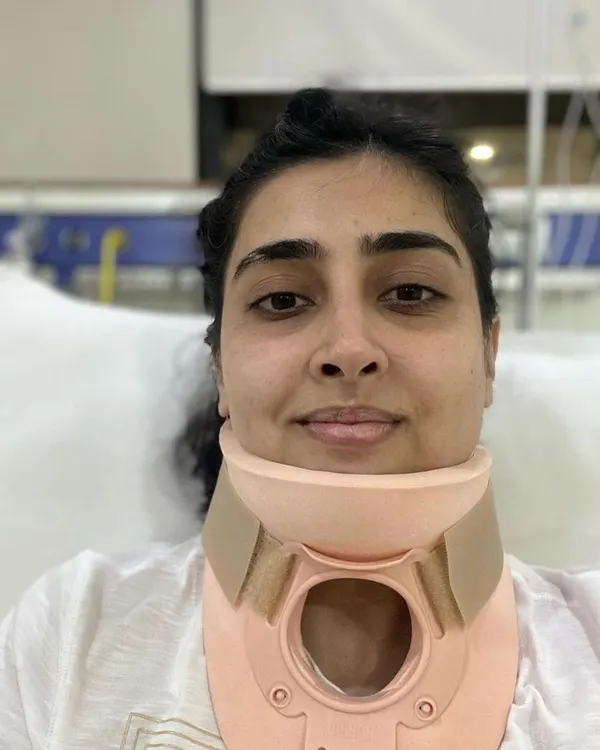
- Cervical Pain & Spondylitis: Neck stiffness is frequently linked to sedentary work habits. We focus on correcting your alignment and strengthening the muscles that support your neck and shoulders, rather than just relying on collars or restricted movement.
Our Approach
My priority is to get you back to your sport or daily life as quickly as possible. We start by using data-driven assessments to identify exactly where your movement is breaking down. From there, we build a structured plan that includes manual therapy, dry needling if required, and specific exercises to retrain your muscles. We do not believe in 'no pain, no gain,' but we do believe in progressive loading to ensure your body becomes resilient again, not just pain-free for a week.
Similar work from other experts
Browse through Curated picks from other experts on mytribe
 6
6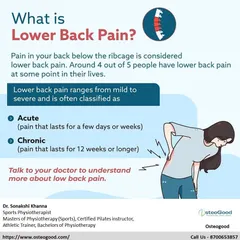
Relief for Chronic Back and Shoulder Pain
Shoulder Rehabilitation: Heal the Root Cause, Not Just Pain
Relief from Everyday Aches and Pains
 5
5
Specialized Shoulder, Neck & Upper Body Rehabilitation
 13
13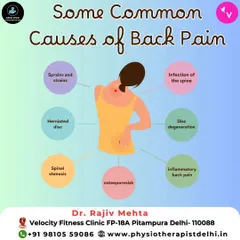
Understanding Your Pain: Identifying Root Causes
Neck and Shoulder Rehabilitation
More from Sports Injury Rehabilitation by Paridhi Ojha
More services by Paridhi Ojha