The Athlete's Lifestyle: Training, Nutrition, and Recovery
Peak performance isn't just about how hard you train; it’s about how you fuel and recover. Learn the science behind the habits that build resilience.
Why do runners need to lift weights? Strength training improves muscle activation and coordination. It also increases your maximal strength, which makes running more efficient by allowing your body to recruit only the force it needs.
Lifting weights also improves trunk stability for better running economy and increases Achilles tendon stiffness, which is crucial for an efficient stretch-shortening cycle. A stiff tendon allows for a more powerful push-off with less muscular effort.
Plyometrics, or jump training, builds tendon stiffness and trains your landing mechanics. This helps prevent common issues like shin splints and knee niggles that arise from sloppy form, making you a more resilient and powerful athlete.
Why does fueling after your run matter so much? It's simple: it allows you to recover faster, feel stronger for your next session, and significantly reduces your long-term injury risk.
After a run, your body is in a state of depletion. Your glycogen (energy) stores are low, and your muscles have micro-damage that needs repair. Fueling correctly supports this repair process and your immune system.
How much should you eat? It depends on your run length. For an easy run under 45 minutes, a small snack is fine. For longer or harder runs over 90 minutes, you'll need to replenish with 60-90g of carbs and 20-30g of protein.
The formula for post-run recovery is simple: carbs plus protein. Aim for a ratio of roughly 3:1. Easy options include chocolate milk with a banana, yogurt with granola, or a small rice bowl with lean protein.
Timing is everything. The "refuel window" is most effective within 30 minutes of finishing your run, but it's still beneficial for up to two hours. Grab a quick snack right away, and then have a normal meal later.
Don't forget hydration. Aim to drink 500-750 ml of fluid in the first hour post-run. If your workout was long or in the heat, include electrolytes to help your body absorb the fluid more effectively.
Underfueling, or Relative Energy Deficiency in Sports (RED-S), can sabotage your performance and health. I explain how to properly carb-load before a race and fuel during an event to avoid hitting the wall and ensure your hard work pays off.
About The Athlete's Lifestyle: Training, Nutrition & Recovery
Stop thinking about rest as just doing nothing. At Enkinetik, we use active recovery—like gentle movement or mobility work—to flush out metabolic waste, which is far more effective for managing DOMS than staying sedentary. Whether you're fueling after a long run with a 3:1 carb-to-protein ratio or using plyometrics to improve tendon stiffness, your performance gains happen during these recovery windows, not just while you're grinding on the track.
Building the Athletic Foundation
True performance requires a systems-based approach. You cannot simply layer training on top of poor recovery and expect results. At our clinic in GK-1, we treat the athlete, not just the exercise.
Why Strength Training Matters
Running is an impact sport, often subjecting joints to forces up to 8x your body weight. Many runners experience injuries because they neglect strength work.
- Tendon Stiffness: Resistance training increases Achilles tendon stiffness, which allows for a more powerful push-off with less muscular effort.
- Running Economy: By improving trunk stability and muscle recruitment, you decrease total energy expenditure, allowing you to run further without 'hitting the wall.'
The Nutrition Window
Your run doesn't end when you stop moving.
- Refueling: Aim for a 3:1 carb-to-protein ratio within 30 to 120 minutes of finishing your session. This is the golden window for muscle repair and glycogen replenishment.
- Avoid RED-S: Relative Energy Deficiency in Sport (RED-S) occurs when energy intake consistently fails to meet training demands. This leads to hormonal disruption, impaired bone health, and prolonged fatigue.
Recovery Science
We differentiate between two recovery modalities:
- Passive Recovery: Sleep (7-9 hours) is the ultimate tool. It is non-negotiable for hormonal balance and mental clarity.
- Active Recovery: Activities like walking, light yoga, or gentle cycling promote blood flow and nutrient delivery, speeding up recovery compared to being sedentary. If you find yourself consistently sluggish, it's time to audit your rest days.
Similar work from other experts
Browse through Curated picks from other experts on mytribe
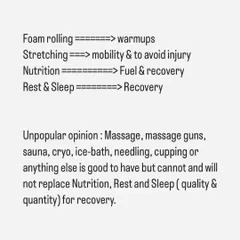
The Science of Recovery: How to Repair and Perform
 22
22Fueling Your Body: Nutrition & Recovery
 5
5


Core Nutrition Principles for Peak Athletic Performance

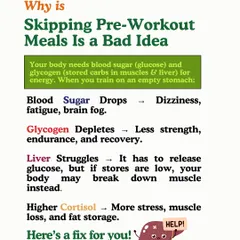
Fueling for Performance: Pre, During & Post Workout
 7
7Nutrition Planning and Physiotherapy Support
 11
11
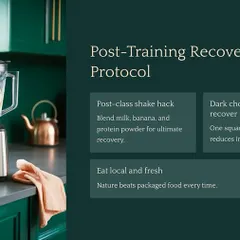
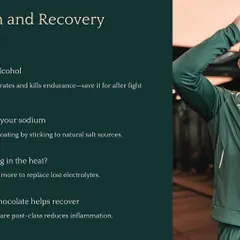
Combat Nutrition and Recovery for Fighters
More from Sports Injury Rehabilitation by Paridhi Ojha
More services by Paridhi Ojha