Expert Sports Physiotherapy and Injury Rehabilitation
I combine data-driven 3D gait analysis with manual therapy to identify the root cause of your pain. See my approach to evidence-based injury recovery and performance training.
My process begins with data, not guesswork. Here you can see the 3D gait analysis in action, where I use advanced sensors to measure your running mechanics. This technology helps me pinpoint the exact source of inefficiency or imbalance, forming the foundation of a truly personalized rehabilitation plan.
An ACL injury can be devastating for an athlete, but recovery is a structured, four-phase process. In this video, I break down each stage, from initial protection and muscle activation to building functional power and finally, a safe return to sport. Understanding this journey is the first step to a successful comeback.
It is incredibly rewarding to see my clients return to their lives pain-free. Here, stand-up comedian Rahul Dua shares his experience of overcoming a debilitating lower back issue. His story highlights my philosophy: we treat the root cause, not just the symptom, by understanding the entire kinetic chain.
"No pain, no gain" is a dangerous myth. It is crucial to understand the difference between good pain, like muscle soreness that fades, and bad pain, which signals potential damage. I explain how to listen to your body, so you know when to push and when to seek professional help.
Shin splints, or medial tibial stress syndrome, are one of the most common complaints I see in runners. This is often an overuse injury linked to training errors or biomechanics. I explain what causes that nagging pain along your shin bone and the smart, progressive steps we take to fix it for good.
To run faster and prevent injury, you need more than just cardio; you need strength. Strength training builds the muscular support system that protects your joints from the high-impact forces of running. I explain why a strong core, glutes, and upper body are non-negotiable for any serious runner.
It was a pleasure leading an injury prevention workshop for the Adidas Runners Delhi community. Sharing knowledge on how to match rehab with running goals is key. My approach ensures runners have a clear, confident path back to the sport without guesswork.
About Featured
Many athletes assume pain is a necessary part of training, but there is a clear boundary between muscle fatigue and biomechanical damage. At my clinic, I move beyond generic advice to pinpoint the exact weak links—whether it’s a glute imbalance causing your shin splints or a restricted hip affecting your stride—using real-time 3D gait analysis and objective movement screening to build your plan.
Treating the Kinetic Chain
My philosophy at Enkinetik Performance Clinic is simple: treat the root cause, not just the symptom. If you are experiencing knee pain, the issue often stems from your hip or ankle mechanics rather than the knee itself. I focus on the entire kinetic chain to ensure we address the source of your discomfort.
My Diagnostic & Rehab Process
- Data-Driven Assessment: I use tools like the Movement Assessment Tool (MAT) and Runeasi 3D gait analysis to gather objective data on your symmetry, impact loading, and stability. This removes guesswork from your recovery.
- Active Rehabilitation: I do not believe in passive rest. My protocol combines manual therapy, dry needling, and targeted strength conditioning. Movement is medicine, and controlled, progressive loading is essential for tissue repair.
- Phase-Based Recovery: Whether you are recovering from an ACL injury or managing chronic lower back pain, my approach follows clear, milestone-based phases. This ensures you do not return to your sport too early and face re-injury.
Running Performance & Injury Prevention
Running is a high-impact sport. With every step, your body absorbs forces two to three times your body weight. To run efficiently, you need more than just cardiovascular endurance—you need a muscular shield. I help runners implement structured training principles, such as the 10% rule for mileage progression and the 80/20 rule, to prevent overuse injuries like medial tibial stress syndrome (shin splints).
Working with Me
Based in Greater Kailash-1, Delhi, I work with everyone from weekend warriors to competitive athletes. My goal is to equip you with the knowledge to manage your body effectively. You will leave sessions not just with temporary pain relief, but with a clear understanding of your movement patterns and the tools to maintain your performance long-term.
Similar work from other experts
Browse through Curated picks from other experts on mytribe
Expert Physiotherapy and Rehabilitation in Delhi NCR
Featured Physiotherapy and Rehabilitation Results
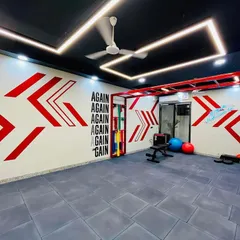
Professional Physiotherapy & Sports Injury Recovery
Physiotherapy and Injury Recovery
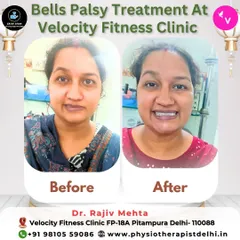
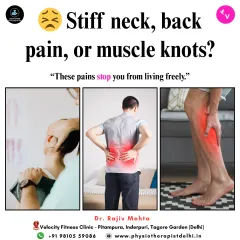
Expert Physiotherapy and Pain Relief Treatments in Delhi
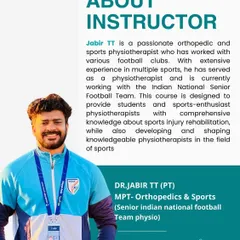
Professional Physiotherapy & Rehabilitation Services
More from Sports Injury Rehabilitation by Paridhi Ojha
More services by Paridhi Ojha