Manual Therapy, Dry Needling & Taping for Recovery
My hands-on approach combines dry needling, precision taping, and active rehabilitation to address the root cause of your injury, not just the symptoms.
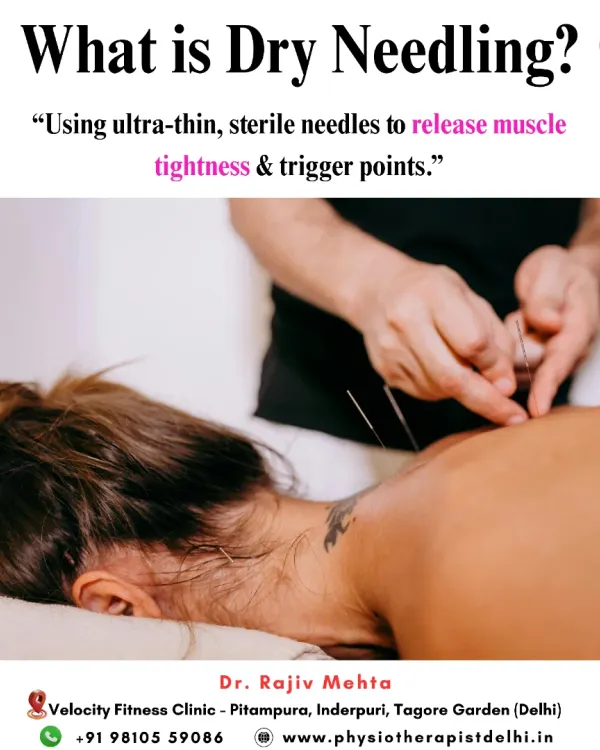
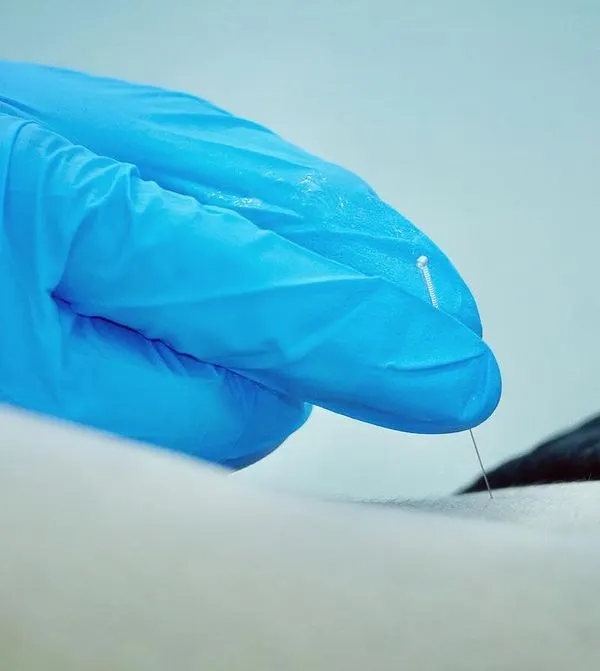
What is Dry Needling? It is a modern treatment technique that uses thin, sterile needles to release muscle tension, trigger points, and stiffness. There is no medication injected; it is a science-backed method for targeted muscle release.
Is dry needling the same as acupuncture? No. While both use needles, dry needling is based on Western musculoskeletal science and targets myofascial trigger points for pain relief. Acupuncture is rooted in Traditional Chinese Medicine and focuses on energy flow.
When do I use dry needling? I use it for persistent muscle knots, limited range of motion, and pain that isn't improving with other therapies. It is particularly effective for sports-related tightness and overuse injuries.
Does dry needling hurt? Not really. You might feel a brief muscle twitch or slight discomfort as the trigger point releases. Some soreness afterward is normal, but it is usually followed by improved movement and significant pain reduction.
While dry needling is highly effective, it's not for everyone. I avoid it for people with needle phobia, certain skin or liver conditions, and uncontrolled bleeding disorders. Every patient is assessed on a case-by-case basis.
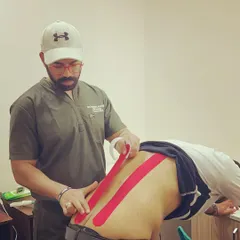
Kinesiology tape is a popular tool, but does it work? In this video, I explain the difference between rigid tape for stability and dynamic tape for sensory feedback. Tape can support an injury, but it cannot fix it. It should never be a substitute for strengthening.
Is foam rolling a myth or magic? It's a useful tool, but not a miracle cure. I explain how to use a foam roller effectively to temporarily loosen muscles and improve circulation, and I demonstrate the one area you should never foam roll: your lower back.
When should you use an ice pack versus a hot pack? This is a fundamental question in injury management. I explain that ice is for acute injuries to reduce swelling, while heat is for chronic stiffness to increase blood flow. I also cover contrast baths for specific cases.
Movement is your body's natural medicine. This doesn't mean you need extreme workouts. It means consistent, intentional motion every day. Walk, stretch, mobilize, and train.
Your joints feed on movement. Unlike muscles, joints don't have a direct blood supply. They get nutrition through a process like squeezing a sponge, which happens when you move. No movement equals poor joint health.
About My Treatment Toolkit: Manual Therapy, Dry Needling & Taping
Dry needling is not about injecting medication, but a mechanical release of myofascial trigger points using fine needles to restore blood flow to tight muscles. When I use this in my clinic, I am not looking for a quick fix for a single spot. I am trying to reset the local tissue environment so that you can effectively perform the corrective exercises that will keep that pain from returning.
Understanding My Hands-On Approach
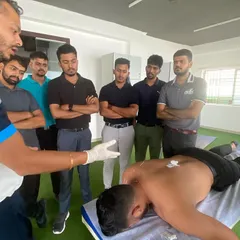
Many patients come to me expecting that a session of manual therapy will "fix" them instantly. My goal is different. I use techniques like manual mobilization, dry needling, and kinesiology taping to create a window of opportunity where you can move without pain. We then use that window to train your body, improve your range of motion, and build the strength required to prevent the injury from coming back.
Clinical Techniques Explained
-
Dry Needling: This is a science-backed method for targeted muscle release. By inserting thin, sterile needles into myofascial trigger points, we force a local twitch response. This helps release persistent muscle knots and improves blood flow to areas that feel tight or restricted. It is not acupuncture, which is rooted in traditional energy flow theories. Dry needling is based on Western musculoskeletal science.
-
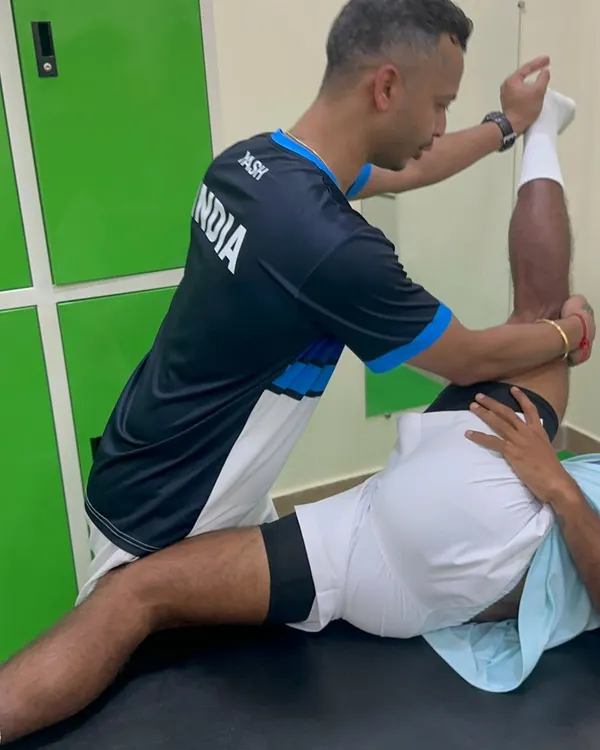
Manual Therapy: I use skilled mobilization techniques to address stiff joints, whether it is a frozen shoulder or a restricted ankle. This is about physical manipulation to improve joint mechanics.
-
Taping: Whether I use rigid tape for stability or kinesiology tape for sensory feedback, it is important to understand that tape is a support tool, not a cure. If you rely on tape to run or work without pain, it means the underlying issue—weakness or poor movement patterns—is not being addressed. I use tape to help you move better while we fix the root cause.
Movement is Medicine
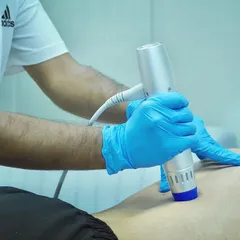
My clinic in Greater Kailash-1 is not a place to lie around. We prioritize active recovery. Whether we are utilizing instrument-assisted soft tissue mobilization or corrective strength exercises on the gym floor, the objective is to make you resilient. If you are experiencing pain that has lasted longer than 48 hours or sharp, stabbing sensations, that is a sign to stop guessing and get an assessment.
Similar work from other experts
Browse through Curated picks from other experts on mytribe
Advanced Physiotherapy Techniques for Root-Cause Recovery
 4
4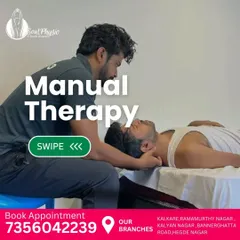

Effective Physiotherapy Treatment Methods
 9
9Manual & Specialized Physiotherapy Techniques
 5
5
Manual Therapy and Hands-On Recovery Techniques
Advanced Physiotherapy & Recovery Techniques
 16
16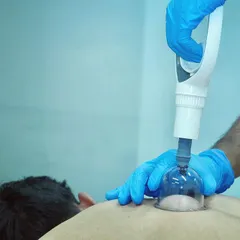
Advanced Manual Therapy for Chronic Pain Relief
More from Sports Injury Rehabilitation by Paridhi Ojha
More services by Paridhi Ojha