ACL Injury Prevention and Rehabilitation Services
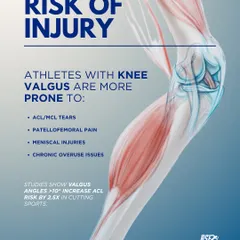
ACL tears are up to six times more likely in female athletes, but they are often preventable. Our science-backed programs identify your unique movement risks to build strength and resilience, whether you are preventing injury or returning to your sport.
ACL injuries in women are a major concern, but they are often preventable. Understanding the mechanics behind why they happen is the first step toward building a more resilient body and reducing your risk on the field or court.
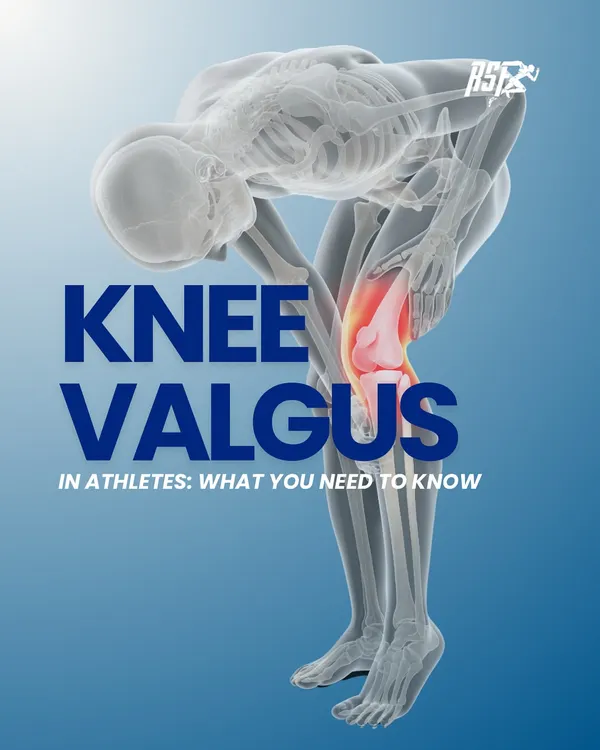
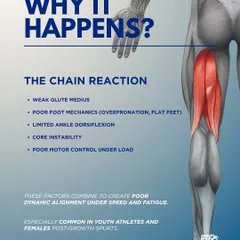
Almost 75% of ACL injuries in women are non-contact, happening during pivots, landings, or sudden stops. This shows it's primarily a movement issue, often stemming from knee valgus, quad dominance, or poor core stability, all of which can be corrected with proper training.
A woman's anatomy, including a wider pelvis and specific hormonal fluctuations, can influence joint laxity and neuromuscular coordination. While not a direct cause, these factors play a role in ACL injury risk, which is why a female-specific training approach is essential.
Many generic training programs fail to address the specific needs of female athletes, such as deceleration control, landing mechanics, and glute-hamstring balance. If your training ignores these key areas, your injury risk remains high.
My approach to reducing ACL risk is systematic and data-driven. I use force plate testing, movement screens for valgus patterns, and hamstring strength assessments to create individualized prehab and plyometric progressions that retrain sport-specific movements.
Experiencing knee pain after an ACL reconstruction is common, but it shouldn't stop your progress. The right warm-up can make all the difference. This series is designed to prepare your knee for the demands of training safely and effectively.
Total Knee Extensions with band resistance are crucial for reactivating the quadriceps muscle post-surgery. This exercise helps restore confident terminal knee extension, a key function that is often inhibited after an ACL injury.
Spanish Squats are an excellent exercise for loading the quads without stressing the knee joint. The band provides a counterbalance, allowing you to sit back and strengthen the patellar tendon and surrounding muscles, which is vital for post-ACL recovery.
Single-leg wall sits are an isometric exercise that builds quadriceps endurance and stability in a controlled, pain-free range of motion. This helps prepare the knee to handle sustained loads during sport-specific activities.
Anterior Step Downs focus on eccentric control of the quadriceps and glutes. This movement mimics the controlled lowering action needed for landing and changing direction, directly improving deceleration mechanics to protect the ACL.
About ACL Injury Prevention & Rehab
Most rehabilitation programs stop at simple strengthening, but that is where re-injury risk spikes. We bridge the gap by integrating clinical physiotherapy with performance-focused strength training, using real-time data from force plates to track your load capacity and movement symmetry throughout your recovery.
Our approach to ACL recovery rejects the 'rest and wait' model. We treat your injury as a movement problem.
The Science Behind Our Rehab
When you land, pivot, or stop suddenly, your body relies on neuromuscular control to stabilize your knee. Many athletes suffer ACL tears due to quad dominance, poor landing mechanics, or inward knee collapse known as valgus. Our rehabilitation process starts with a full biomechanical assessment, including force plate testing to identify where your strengths and weaknesses lie. We do not guess; we measure.
Integrating Rehab with Performance
We do not separate physiotherapy from strength training. If you are rehabbing a knee, you still need to train. We adapt your movements to ensure you maintain lean mass and athletic ability while your tissue heals.
- Phase 1: Controlled Loading. We use exercises like Spanish Squats and banded terminal knee extensions to load the patellar tendon and quads without overstressing the knee joint.
- Phase 2: Dynamic Retraining. We move into eccentric control training to improve deceleration, which is the exact moment most non-contact injuries occur.
- Phase 3: Return to Sport. We build agility and plyometric capacity so you can return to the field or court with total confidence.
Why Train with Us in Bangalore?
Whether you are based near our Koramangala headquarters or our Jayamahal studio, you get the same rigorous, data-driven methodology. We focus on long-term resilience, ensuring you are not just back to baseline, but physically superior to where you were before the injury.
Similar work from other experts
Browse through Curated picks from other experts on mytribe
Athlete Recovery & Peak Performance Programs
 15
15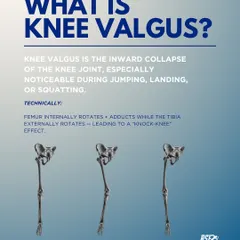
Knee Injury Prevention and Rehabilitation
Sports Injury Rehabilitation and Recovery
 7
7Advanced Knee Rehabilitation in Whitefield
 11
11
Sports Physiotherapy and Injury Rehabilitation in Bengaluru
Elite Sports Physiotherapy and Athlete Conditioning
More from Female Athlete Training by Rapid Sport Fitness