Pelvic & Hip Stability Training for Female Athletes
The pelvis is the control center of your performance. We train neuromuscular control under load to prevent common injuries and build sport-specific resilience.
Pelvic stability is not about holding a neutral spine during a plank. It is about your deep core, hips, and glutes working together to control the pelvis during high-speed sprinting, jumping, cutting, and lifting.
Due to a wider pelvis, greater hip mobility, and hormonal factors, female athletes require superior neuromuscular control to stabilize the pelvis. When this control is lacking, it becomes the limiting factor for both speed and durability.
Pelvic instability doesn't always feel like pelvic pain. It often shows up as a hip drop during running, knee valgus when landing, chronic hip-flexor tightness, or hamstring discomfort, all stemming from a lack of control under speed.
When the pelvis cannot control load, other parts of the body absorb the stress. This leads to compensation patterns like knee collapse, hamstring strains, and lower back pain. Many common female athlete injuries originate at the pelvis.
I train pelvic stability the way sport demands it, not with isolated drills. My progressions include deep core activation under load, single-leg reactive control, anti-rotation work, and building posterior chain power under fatigue.
For runners, most injuries start with a loss of control at the hip. Building hip stability involves a combination of strength work like single-leg RDLs, control exercises like marching bridges, and progressing by adding load, movement, and fatigue.
Injury prevention is a core component of my training philosophy. This athlete is performing a side plank with a band row, an exercise that challenges frontal plane core stability and anti-rotation, which are critical for pelvic control.
About Pelvic & Hip Stability for Female Athletes
You might think stability is about holding a plank, but for a female athlete, true pelvic stability is about maintaining control while sprinting, landing, and changing direction. When your pelvis loses that control under load, your body creates compensation patterns to survive. That leads to knee valgus, hip flexor tightness, and chronic lower back pain. We train your deep core and hips to communicate effectively so you can move with intent, not just force.
At RSF, we treat the pelvis as the control center of your performance. Female biomechanics are unique, and your training should reflect that, not just mirror a scaled-down version of a generic gym routine.
We start with a biomechanical assessment. This 90-minute session uses force plates and video analysis to identify asymmetries in your landing mechanics and deceleration. We look for 'knee valgus' and quad dominance because these are the precursors to common injuries like ACL tears.
Once we establish your baseline, we move to programming that actually works. We focus on three key areas:
- Reactive Neuromuscular Control: Teaching your brain to fire the right muscles under fatigue, not just in a static gym setting.
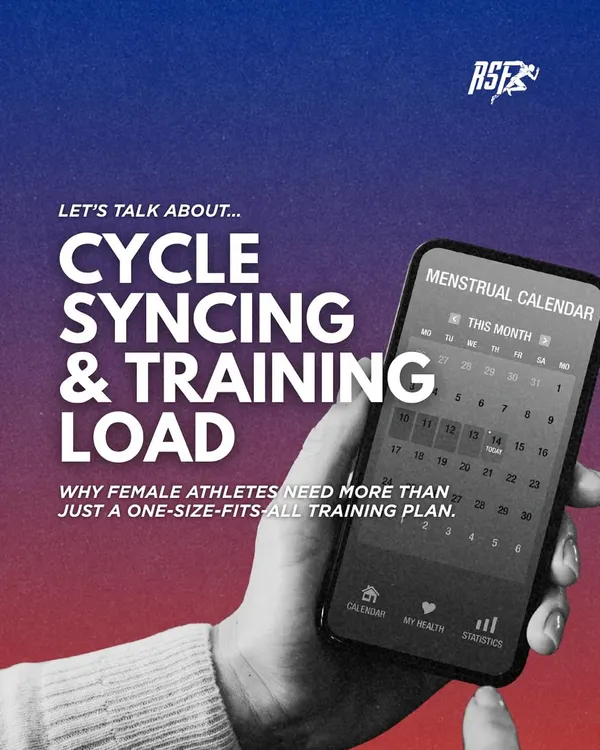
- Cycle-Synced Training: We adjust your training load based on your menstrual cycle, ensuring you don't burn out when your body needs recovery.
- Functional Stability: We move away from isolated crunches and into complex movements like single-leg RDLs and anti-rotation drills that mimic the demands of your sport.
Whether you are recovering from an injury or trying to prevent one, our goal is to help you move with confidence. We operate out of our Koramangala and Jayamahal studios, where we use data, not guesswork, to build your plan.
Similar work from other experts
Browse through Curated picks from other experts on mytribe
 9
9
Injury Prevention Training in Andheri, Mumbai
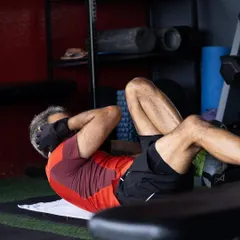
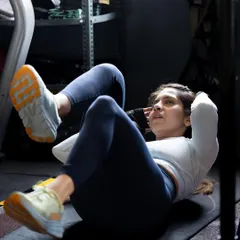
Core and Stability Training in Bangalore
Core Power & Spinal Health for Athletic Performance
 5
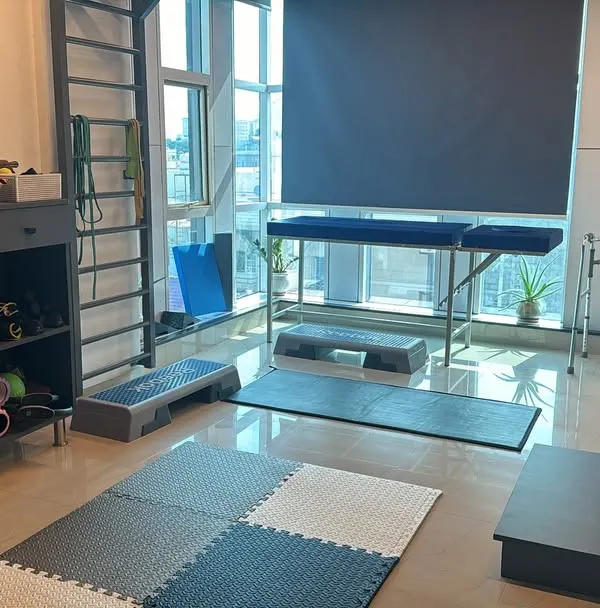
5Physiotherapy-Led Fitness Training in Bengaluru
 26
26
Performance Training for Female Athletes
Unlock Your Hips and Fix Lower Back Pain
More from Female Athlete Training by Rapid Sport Fitness