Knee Injury Prevention and Rehabilitation
Stop guessing why your knee hurts. We use data-driven movement assessments to identify the root cause of your pain—whether it is knee valgus, stability issues, or overload—and build a rehab plan that actually gets you back to your sport.
An introduction to Knee Valgus, a common movement dysfunction in athletes that can lead to significant injury if not addressed.
This infographic explains what knee valgus, or "knock-knee" effect, is, detailing the specific rotation of the femur and tibia that causes it.
We break down the chain reaction that causes knee valgus, including weak glutes, poor foot mechanics, and core instability. Understanding the 'why' is the first step to fixing it.
Athletes with uncontrolled knee valgus are at a significantly higher risk for ACL tears, patellofemoral pain, and other chronic overuse issues.
Fixing the pattern requires more than just strength. We combine neuromuscular re-education, glute and hip strengthening, and motor control drills to correct the movement dynamically.
At RSF, we don't just spot valgus, we build a full plan to correct it. Book an assessment to address the pattern before it limits your performance.
Still doing only clamshells for knee pain? While they help, they are just one piece of the puzzle. A comprehensive approach targeting the quads, hamstrings, and ankle mobility is essential.
Understanding the anatomy of the knee muscles is the foundation of athletic performance and injury prevention.
Learn about the key components of the knee, including the femur, tibia, and patella, and the cartilage and ligaments that hold them together.
The muscles surrounding the knee, like the quadriceps and hamstrings, are crucial for extending, flexing, and stabilizing the joint.
About Injury Education: Understanding & Preventing Knee Issues
If your knees consistently cave inward during squats or jumps, it is rarely just about the knee itself. This inward collapse, known as knee valgus, is often a compensation for weak hips or poor foot mechanics. We do not just treat the pain at the joint; we run a biomechanical assessment to check your entire kinetic chain, from your ankles up to your core, to identify and fix the actual source of the instability.
Understanding the Root Cause
Knee pain is rarely an isolated issue. Whether you are dealing with patellofemoral pain, an ACL injury, or a meniscus tear, the problem often stems from how your body handles force through the kinetic chain. When we assess a client, we look beyond the site of pain. We examine ankle mobility, glute strength, and landing mechanics to see how these factors contribute to your discomfort.
Why One-Exercise Fixes Fail
Many athletes come to us having tried endless rounds of clamshells or basic leg extensions. While these can be useful, they rarely solve the problem if you are not addressing movement patterns under load. You might have the isolated muscle strength, but do you have the neuromuscular control to maintain proper alignment during a high-impact movement like a cut or a jump? Our rehabilitation programs integrate physiotherapy with strength and conditioning, ensuring you rebuild capacity, correct faulty patterns, and develop the stability needed for your specific sport.
Our Approach to Recovery
- Assessment: We start with a full check of your movement, posture, and joint function. Using digital dynamometers, we measure precise muscle force to spot weak links rather than guessing.
- Active Rehab: Recovery is not about rest; it is about active movement. We incorporate hands-on therapy—like dry needling or cupping—when necessary to manage pain, then immediately move into eccentric strength training and plyometric drills to prepare your body for the demands of your sport.
- Long-term Resilience: We do not just get you pain-free; we teach you how to stay that way. You will leave our center in Koramangala or Jayamahal knowing how to warm up, manage your training load, and understand your body's specific requirements.
Similar work from other experts
Browse through Curated picks from other experts on mytribe
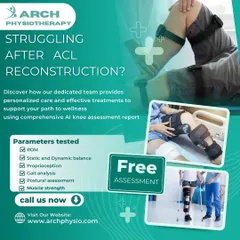
Specialized Knee Rehabilitation and ACL Recovery
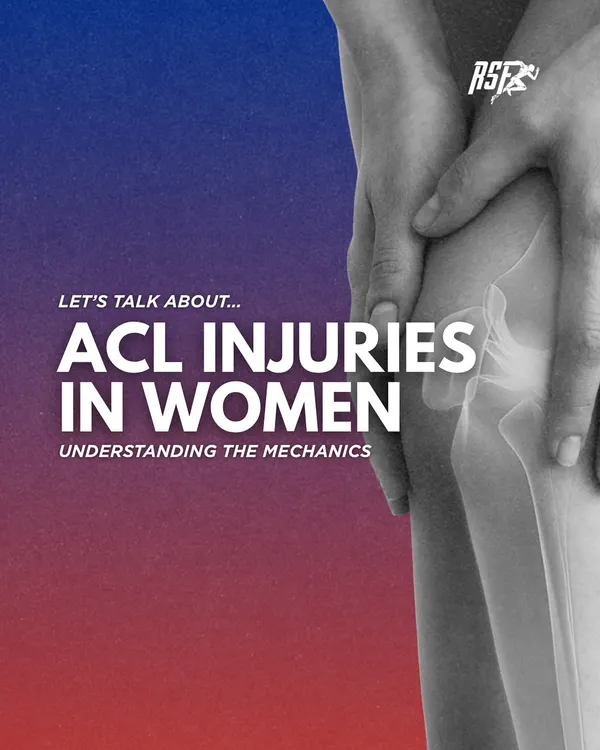 15
15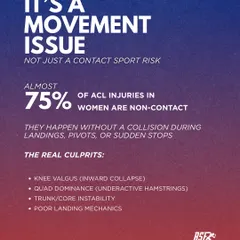
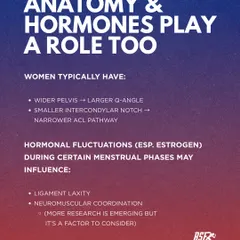
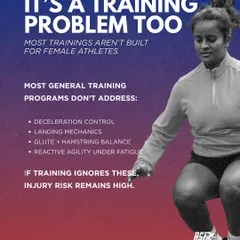
ACL Injury Prevention and Rehabilitation Services
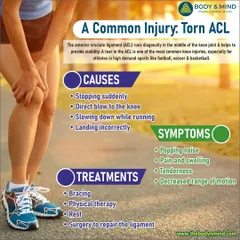
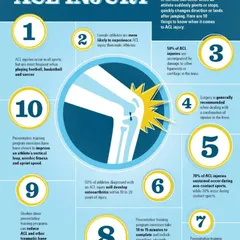
Lower Body and Joint Pain Rehabilitation
Building Bulletproof Knees and Ankles
Effective ACL & Injury Rehabilitation for Athletes
 11
11
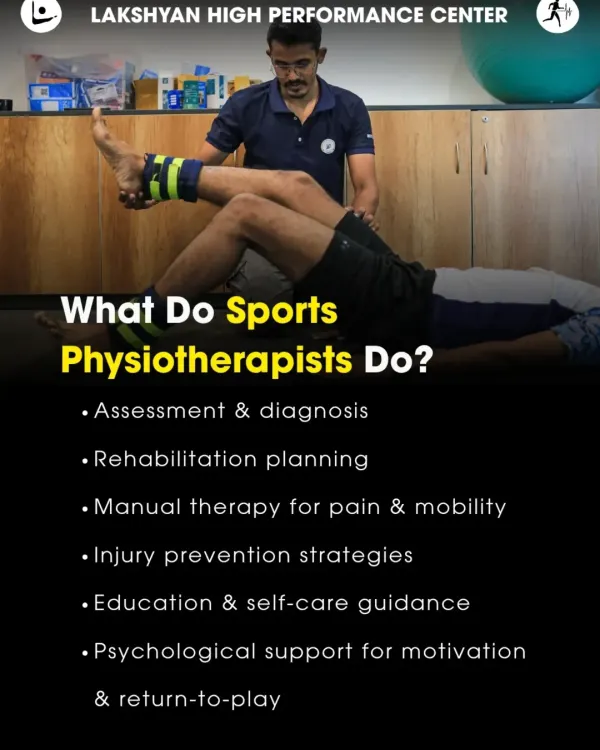
Sports Physiotherapy and Injury Rehabilitation in Bengaluru
More from Physiotherapy & Injury Rehabilitation by Rapid Sport Fitness