Sustainable Architecture & Mindful Design
Architecture is a conversation. We design spaces that honor their environment and the people within them, focusing on reclaimed materials and honest craftsmanship.
A quiet moment in the 'Aamra' residence, where a built-in diwan and integrated shelving create a space for rest and reflection. My goal is to design furniture that is not just an object in a room, but an integral part of the home's architecture and the lives lived within it.
These are the technical drawings for my Nannilam collection, where I explore the structural potential of Lantana camara. This project transforms an invasive weed into functional, beautiful furniture like diwans and lounge chairs, creating a model for commercially viable, eco-positive design.
A close-up of a custom wardrobe, showcasing a blend of materials and artisanal details. The dragonfly handles, patterned fabric panel, and natural cane weave demonstrate my commitment to creating unique, tactile surfaces and celebrating fine craftsmanship in every piece.
Here, a mason applies a final mud wash to a wall constructed from reused Mangalore tiles. This single frame captures the essence of my hands-on, earth-friendly approach, where I prioritize natural finishes and find new life for salvaged materials.
This conceptual rendering illustrates a wearable shelter for outdoor workers, designed to offer protection from extreme heat and rain. It shows how a single module can transform into a chair, bed, or canopy, and how multiple units can cluster together to form community spaces.
An ornate console table crafted from reclaimed wood, demonstrating how traditional forms can be reinterpreted with a focus on material honesty. This piece stands at an entryway, blending intricate carving with the simple beauty of the wood grain and handmade tiles.
The heart of the 'Aamra' farmhouse, where the dining area flows into the living space. The custom concrete island, wooden bar stools, and upcycled pantry cabinet are all designed to foster connection, blurring the lines between cooking, eating, and living.
A view into a study nook, featuring a dark-painted finish contrasted with natural wood and woven panels. This design shows how I use color and texture to define functional zones within a larger space, creating cozy, practical areas for work and life.
A detail of a wardrobe combining louvered wood and cane panels. This pairing of textures is not just for aesthetics; it provides ventilation while maintaining visual lightness, a principle I apply to make furniture both beautiful and practical.
About Featured
Our work begins with a simple question: how does this space affect the person living in it and the planet sustaining us. We focus on the spaces between traditional materials, like reclaimed wood or lime-oxide, and modern functional needs. Whether we are transforming an invasive weed like Lantana into a functional structure or reusing Mangalore tiles for a gymnasium, the goal is always to reduce waste while increasing the human connection to the built environment.
Design is a process of exploration. We view architecture not as an object to be placed on a site, but as a system that evolves with the landscape and the people who inhabit it.
The Aamra Farmhouse
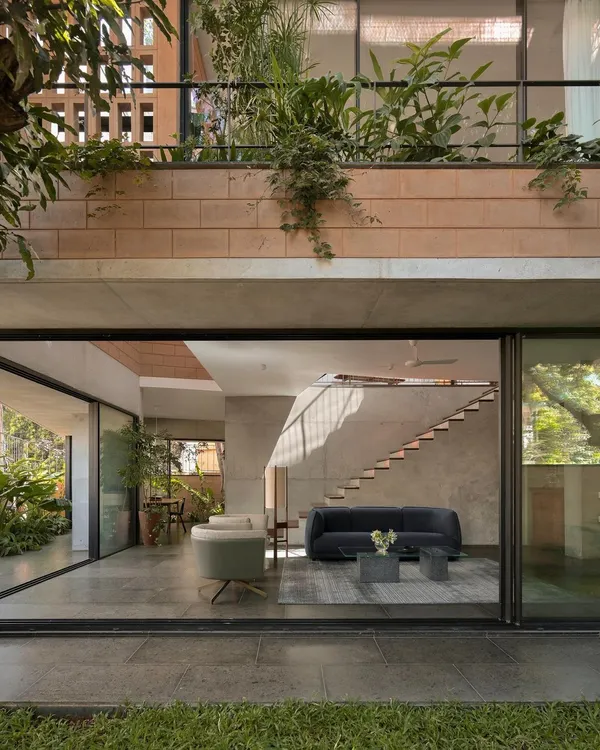
In our residential projects, such as the Aamra residence, we implement the 'Jagli katte' concept. By creating semi-open spaces that blur the boundary between indoors and outdoors, we encourage a lifestyle that stays connected to the gardens and trees. It is about using concrete, brick, and upcycled timber in ways that feel raw and tactile, allowing the structure to breathe.
The Nannilam Project
Our commitment to material honesty extends to the furniture we design. The Nannilam collection is a study in structural limitations and possibilities. We took Lantana camara, an invasive plant, and developed a viable method to craft lounge chairs and diwans. This initiative does more than furnish a room; it provides a source of income for local artisans in Salem and helps restore the region's biodiversity.
Our Process
We work with builders, artisans, and clients to ensure every decision, from the choice of red oxide floors to the joinery in a console table, has a reason. We are transparent about the challenges. Vastu concerns, site constraints, or material limitations are not obstacles but catalysts for more innovative design. We believe that when a design is rooted in its specific context, it does not just function; it empowers.
Similar work from other experts
Browse through Curated picks from other experts on mytribe
 8
8
Featured Eco-Friendly Architectural Designs
 10
10
Featured Architecture Projects
 8
8
Featured Ecological Architecture Projects
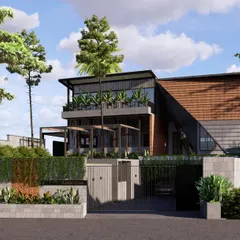
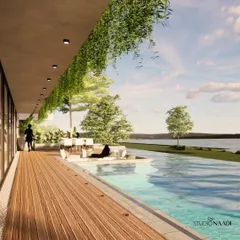
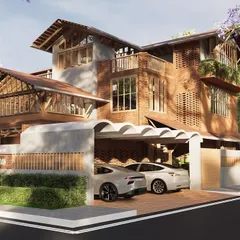
Our Architectural Portfolio: Biophilic Designs and Contextual Spaces
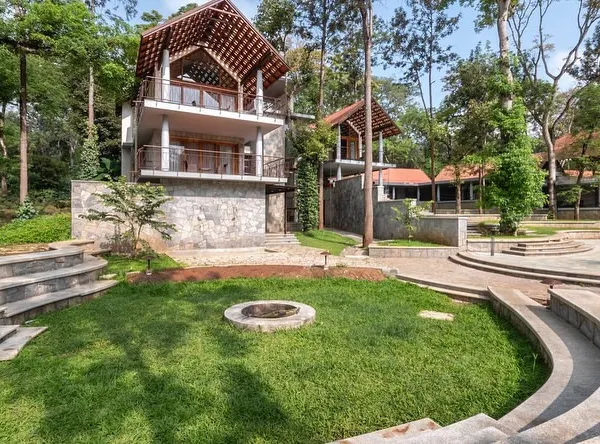 6
6
Creating spaces where nature and architecture meet
 8
8
Sustainable Architecture and Contextual Design Portfolio
More from Sustainable Furniture & Product Design by Betweenlines
More services by Betweenlines