Retail Interior Design and Flexible Fixtures
Retail spaces must adapt to the merchandise they carry, not the other way around. We design for flow, flexibility, and customer comfort, ensuring your store layout feels intuitive.
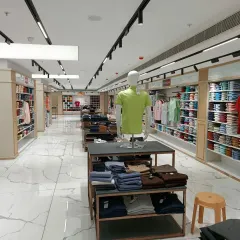
The unstitched fabric section in the Nalli showroom, featuring custom-designed wooden display racks. These fixtures are designed for flexibility, with adjustable shelving that allows for stacking, hanging, or mannequin displays within the same unit.
The wedding silks floor at Nalli, where I designed hybrid units that combine shelving and hangers. These central bays encourage browsing and impulse buys, improving the flow and shopping experience in a traditional retail layout.
About Commercial Interiors
Our approach to retail interiors centers on 'hybrid' fixtures that switch seamlessly between hanging, stacking, and mannequin display modes. In our Nalli Silks project, we replaced rigid, wall-dominant cabinetry with modular, central browsing bays. This allows the shop floor to adapt instantly to new collections, ensuring the physical layout never restricts the customer journey.
The challenge with traditional retail design is the tendency toward static, heavy cabinetry that dictates customer movement. We believe a retail space should function as a stage where the fixtures recede and the products command attention.
The Nalli Silks Case Study
For the Nalli Silks project in Chennai, our objective was to evolve a traditional layout into a more interactive shopping environment. We moved away from wall-to-wall shelf dominance. Instead, we introduced central 'browsing bays'—flexible units that encourage movement and impulse browsing. These units were designed to be adjustable, supporting different display requirements, from folded sarees to hanging garments, without needing a full shop refit.
Communicative Design
We view retail interiors as a form of communicative design. Every fixture must earn its place. By using warm, consistent wood finishes and rounded, organic profiles, we create a sense of cohesion across the retail floor. The materials are selected not just for aesthetics but for durability in high-traffic commercial zones. Our goal is always to create a spatial dialogue, where the environment guides the customer to discover the merchandise organically.
Similar work from other experts
Browse through Curated picks from other experts on mytribe
 4
4
Designing commercial and retail spaces with purpose
Commercial, Office and Retail Interior Design
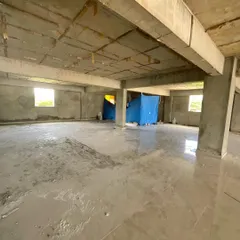
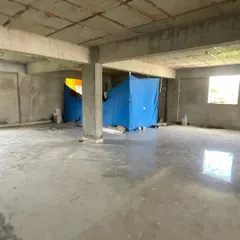
Engaging Retail Spaces: From Shell to Showroom
 24
24
Retail & Brand Experience Centers
Dynamic Commercial and Retail Interior Design
 14
14
People-Centric Workplaces & Retail Design for Engaging Spaces
More from Sustainable Furniture & Product Design by Betweenlines
More services by Betweenlines