Adaptive Reuse and Material Innovation in Architecture
We believe architecture is a dialogue between tradition and modernity. This cluster highlights our commitment to salvaging, restoring, and reimagining existing structures through sustainable material choices.
This video documents the construction of a gymnasium in Nagapattinam, where walls were built using salvaged Mangalore tiles. It shows the process from mixing the mud mortar to the final application of a natural mud wash, highlighting the tactile quality of this upcycling technique.
An axonometric drawing illustrating the renovation of the Nagapattinam Collector's camp office. This diagram explains the overall vision for conserving the heritage building while integrating new structures built with reused materials from the site.
Technical details for the Nagapattinam project, explaining how single-groove tiles salvaged from the main house were used to replace conventional masonry. These drawings show the specific construction method for both the walls and the roof.
Another view of the Nagapattinam renovation, showing the process of carefully dismantling and sorting materials for reuse. This image emphasizes the labor-intensive but rewarding process of adaptive reuse in architecture.
About Adaptive Reuse & Material Innovation
In our recent Nagapattinam heritage renovation, we encountered a significant surplus of single-groove Mangalore tiles. Rather than discarding them as construction waste, we re-engineered the tiles to serve as structural masonry blocks for a new gymnasium. By pairing this material with a traditional mud mortar wash, we achieved a thermally efficient finish that respects the original architectural spirit of the site while eliminating the need for conventional, resource-heavy brickwork.
Our Approach to Adaptive Reuse
For us, adaptive reuse is not merely an aesthetic choice; it is a fundamental responsibility to the history and ecology of a site. When we engage with heritage or existing structures, our primary goal is to minimize intervention while maximizing the utility of materials already present.
The Material Lifecycle
The process begins with a rigorous audit of the site. We carefully dismantle, sort, and categorize materials—whether it is old timber, roofing tiles, or structural stone. In the Nagapattinam Collector’s camp office project, this meticulous sorting allowed us to identify the potential of the Mangalore tiles not just for roofing, but as a load-bearing element. This shifts the perception of 'waste' into a 'resource'.
Why Material Innovation Matters
- Embodied Carbon Reduction: By reusing materials from the site, we significantly lower the embodied carbon footprint of the project compared to sourcing new factory-manufactured alternatives.
- Contextual Continuity: Reusing local materials ensures that the intervention feels like a natural evolution of the existing building, rather than a jarring modern addition.
- Tactile Quality: Hand-applied finishes, such as mud plaster and oxide, offer a sensory experience that mass-produced surfaces cannot replicate. They age gracefully, developing a patina that aligns with the heritage context.
A Disciplined Methodology
Our practice is rooted in a structured, case-study-led methodology. Every project is approached as a research problem: What are the constraints? How can we interpret them creatively? We document the execution process—from the initial dismantling to the final application of natural mud washes—to ensure that our clients understand the long-term maintenance and performance benefits of choosing sustainable, honest materials over conventional, 'quick-fix' construction methods.
Similar work from other experts
Browse through Curated picks from other experts on mytribe
 11
11
Adaptive Reuse & Heritage Conservation Architecture
 14
14
Upcycled Architecture: Giving Waste New Life
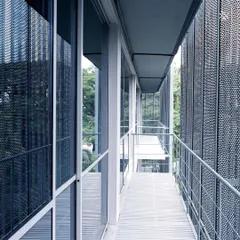
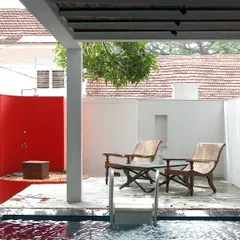
Adaptive Reuse and Heritage Conservation Architecture
 12
12

Heritage Home Restoration and Vernacular Architecture
 28
28
Reimagining Heritage Architecture
 8
8
The Craft of Sustainable Construction & Local Materials
More from Sustainable Furniture & Product Design by Betweenlines
More services by Betweenlines