Lantana Initiative: Sustainable Furniture and Design
We transform Lantana camara, an invasive weed, into structured furniture and architectural elements. Our process restores biodiversity while creating functional, hand-crafted pieces for your home.
Renderings for a farmhouse featuring woven Lantana furniture in the living area. This illustrates how the material can be used to create complete furniture sets that are lightweight, durable, and environmentally positive.
A design proposal for the Zara Global School library, using Lantana wood for shelving and integrated reading pods. The project explores modular systems to create engaging, multi-functional spaces for students while showcasing the potential of this sustainable material.
The architectural plan and section drawings for the Zara Global School library. These technical documents show the spatial layout and how the custom-designed Lantana furniture units are arranged to maximize storage and create intimate reading nooks.
A diagram showing the process of shaping Lantana stems into a building facade. This conceptual work explores how the weed's natural forms can be bent and woven onto a frame, transforming a harmful plant into a beautiful and functional architectural skin.
A detailed section drawing of the proposed Lantana facade. It shows how the woven skin attaches to the building, creating a ventilated cavity that provides thermal protection and a nesting surface for local bird species, linking the building back to its ecosystem.
A rendering of the Lantana facade, illustrating how light filters through the woven screen. The design creates a dynamic play of light and shadow within the interior space, demonstrating the material's potential to create atmosphere and beauty.
About The Lantana Initiative: Community & Ecology
Working with Lantana requires a fundamental shift in how we approach furniture construction. Unlike standard timber, these stems are wild and highly varied, so we heat-treat and weave them to provide structural integrity. This is not factory-standard uniformity; it is a hand-crafted process where each chair or shelving unit carries the organic geometry of the plant itself, ensuring your piece is truly unique.
From Invasive Weed to Architectural Resource
Our practice views Lantana camara not as an environmental nuisance, but as an untapped material potential. This plant, which spreads rapidly across the Western Ghats, threatens local biodiversity. By harvesting these stems, we assist in forest fringe restoration while sourcing a material that is surprisingly resilient.
The Design Methodology
Unlike bamboo, which has standardized structural properties, Lantana is unpredictable. We have developed specific heat-treatment techniques to stabilize the stems.
- Structural Integrity: We use binding wire and natural glues to reinforce hand-bent members.
- Hand-Weaving: Every seat and backrest is woven by artisans in Salem, providing local employment and preserving traditional craft skills.
- Finishing: We treat the surface with eco-friendly linseed oil, avoiding synthetic varnishes to maintain the material's tactile, organic nature.
Applications
Our exploration extends beyond small-scale furniture. We are currently prototyping modular shelving for library interiors and conceptualizing building facades. These facades function as a 'living skin' that provides thermal protection for the building envelope while offering nesting surfaces for local bird species. By integrating these elements, we aim to bridge the gap between human-centric design and the wider ecosystem. Whether you are looking for a bespoke lounge chair or interested in exploring bio-mimetic architectural skins for a larger project, our process remains grounded in material honesty and social responsibility.
Similar work from other experts
Browse through Curated picks from other experts on mytribe
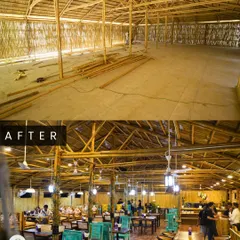
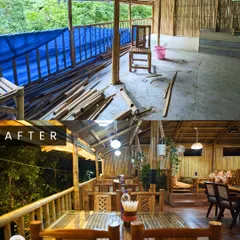
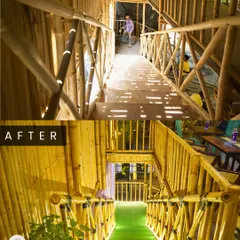
Sustainable Bamboo Architecture & Custom Structures
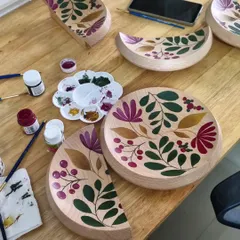
From Workshop to Home: Our Custom Furniture Process
Materials & Craftsmanship in Ecological Architecture
 4
4
The Art of Teak Craftsmanship
 19
19
The Art of Material & Craft
 22
22
Upcycled and Sustainable Art Commissions
More from Sustainable Furniture & Product Design by Betweenlines
More services by Betweenlines