The Art of Yoga Adjustments & Assisting
Master the precision of hands-on teaching. Our training bridges the gap between demonstrating a pose and safely guiding a student to their full potential using proper alignment.
Assisting a student in Bakasana, or Crow Pose, helps build their confidence and strength. By providing support, I can help them find their balance point and understand the core engagement needed for the arm balance, turning a challenging pose into an achievable goal.
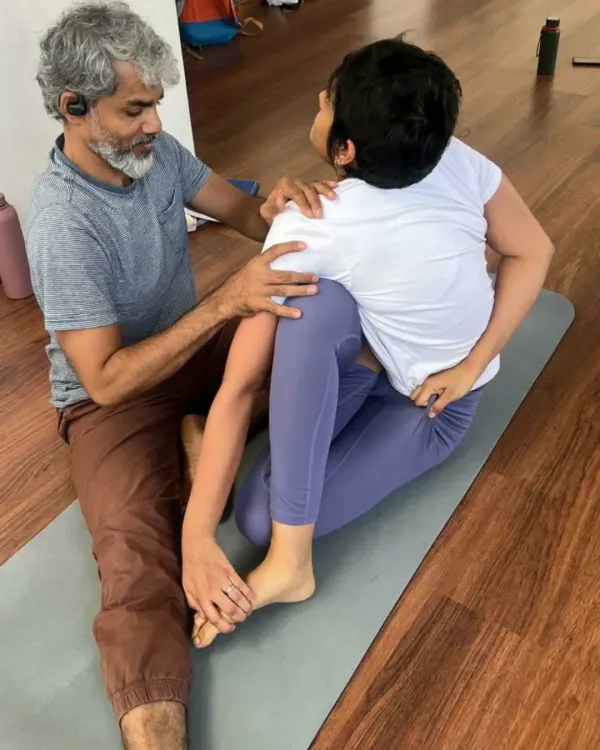
Here, I am assisting a student in Ekapada Rajakapotasana to help them achieve a deeper, safer backbend. This hands-on guidance is crucial for understanding alignment and preventing injury in complex poses, a skill we emphasize for all our trainee teachers.
This is another view of an assisted Ekapada Rajakapotasana. Notice how the adjustment supports the student's back while encouraging the hips to open. Learning these nuanced assists is a key part of becoming a knowledgeable and compassionate yoga teacher.
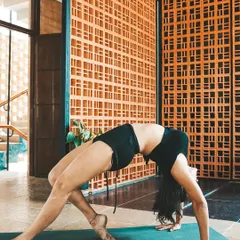
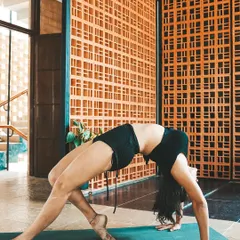
A moment from our backbending workshop at Yoga Sangha HSR. Gentle, precise adjustments can make a world of difference in a student's experience of a pose, helping them open up with confidence.
Guiding a student through the initial stages of a backbend. The focus here is on creating length in the spine and opening the shoulders before moving deeper. This foundational work is essential for a safe and progressive practice.
About The Art of Adjustment & Assisting
Learning to adjust is about understanding the geometry of the body. Whether we are using wall ropes to open the chest in a backbend or providing tactile cues to stabilize a student in Bakasana, the goal is to help them feel the pose correctly before they can practice it independently. This module is essential for anyone who wants to move beyond just demonstrating a pose to truly guiding a student with clarity and safety.
Why Hands-On Assistance Matters
In our 200-hour TTC, we move beyond textbook theory. You learn to observe a student's body, identify tension, and provide the right level of support. It is a silent dialogue between teacher and student, where the goal is not to force a shape, but to facilitate understanding.
Our Approach to Adjustments
- Alignment Through Props: We use blocks, belts, and wall ropes (Yoga Kurunta) to teach you how to create space and stability. You learn how to use these tools to make difficult poses accessible for different body types.
- Safe Tactile Cues: You will practice hands-on adjustments in a controlled environment. We cover everything from gentle assists in Hatha to deeper, more complex maneuvers required for advanced asanas.
- Safety & Ethics: Knowing when not to adjust is as important as knowing when to touch. We focus on ethical standards and physical safety to ensure you protect your students and yourself.
What You Will Master
- Observation: Developing a sharp eye for misalignments in Hatha and Ashtanga flows.
- Sequencing: How to integrate assistance into your class flow without disrupting the energy.
- Verbal vs. Physical: Using clear, concise verbal cues to supplement or replace physical adjustments.
Whether you are training to become an instructor or simply want to deepen your own practice, this module bridges the gap between knowing a pose and teaching it safely. Practice and all is coming, but only when the foundation is secure.
Similar work from other experts
Browse through Curated picks from other experts on mytribe
Hands-on Yoga Adjustments & Alignment
 10
10Hands-On Yoga Adjustments & Peer Teaching Training
 7
7
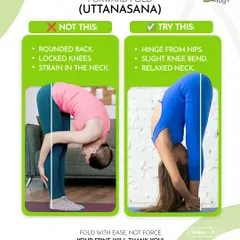
Master Yoga Alignment: Safe Techniques for Every Pose
Yoga Teacher Workshops: The Art of Adjustment
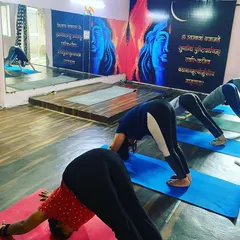
Personalized Yoga Guidance and Teacher Training
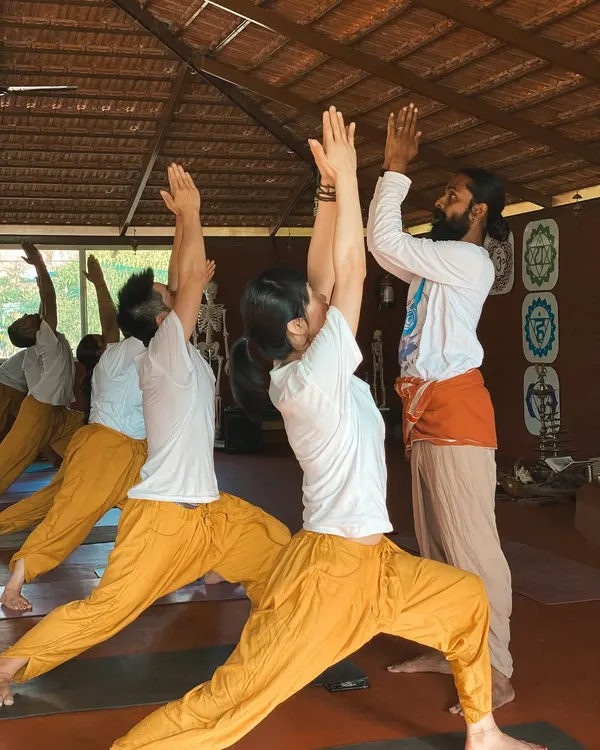 59
59
Asana and Alignment: The Foundation of Authentic Yoga
More from 200-Hour Yoga Teacher Training Course (TTC) by Nirakula Yoga
More services by Nirakula Yoga