Mastering Headstands & Arm Balances Step-by-Step
Turning your world upside down can feel intimidating, but it is deeply empowering. I help you build the foundation—arm strength, core engagement, and the confidence to lift off safely.
Let's learn Sirsasana, or headstand, step by step. I will guide you on how to set up your foundation, engage your arms and core, and lift up with control. Remember to always rest in child's pose afterward.
Here are three super useful drills to strengthen your headstand. We work on dolphin pushups for arm strength, scapula lifts to learn shoulder engagement, and walking in and out to build core control. Practicing these consistently will make a huge difference.
This video breaks down the headstand into eight simple steps, from setting your foundation to lifting off. I always remind my students to be comfortable in one step before moving to the next. It’s a journey, not a race.
Let's learn how to get into a tripod headstand. I will show you how to find the crown of your head, create a stable base with your hands, and engage your shoulders to protect your neck. We will move slowly, bringing the knees to the arms before lifting up.
Once you are comfortable with the basic tripod headstand, you can explore different entries. This video shows three ways to enter: from a tuck, with straight legs (pike), and from a wide-legged straddle. These variations add a fun challenge to your practice.
This is a more advanced transition from Crow Pose (Kakasana) to a tripod headstand. It requires a lot of control and strength. Before you attempt this, make sure you are very comfortable holding both poses separately.
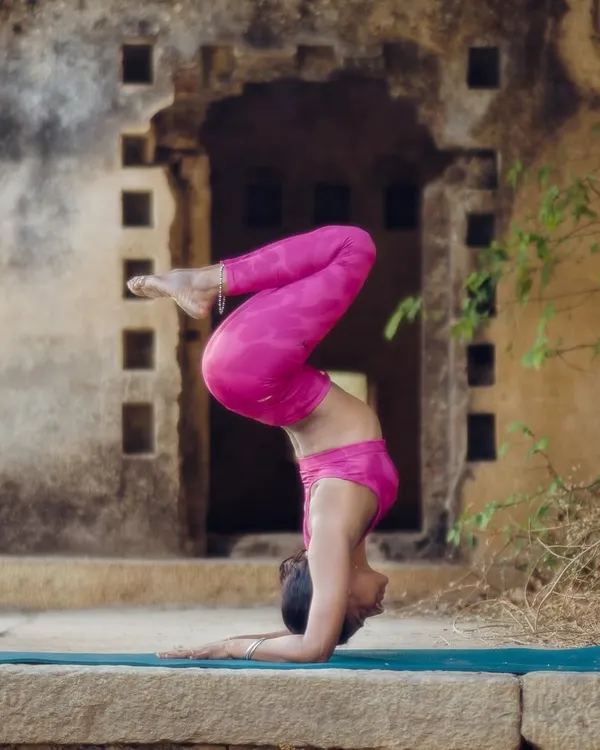
Pincha Mayurasana, or forearm balance, is a beautiful and challenging inversion. This video offers a few tips to get stronger, like building arm strength with dolphin pose and using your hands to grip the mat for balance.
This is the same Pincha Mayurasana tutorial, just a different view. Consistency is key for advanced asanas. If you want to learn, I can guide you in my online classes.
This is a slow-motion look at the Pincha Mayurasana, or feathered peacock pose. It’s a moment of pure focus and love for the practice. Inversions like this teach us so much about balance, both on and off the mat.
Even on days when I feel physically weak, I find strength in my practice. Here, I am attempting a pike lift into Pincha Mayurasana. It’s a reminder that our bodies are strong and capable, and we should fill our lives with gratitude for what they can do.
About Mastering Inversions: Headstands & Arm Balances
Many of us fear inversions because we focus on the final pose rather than the preparation. In my sessions, we don't just jump into a balance. We work on specific drills like dolphin push-ups and scapula lifts to ensure your neck and shoulders are truly ready to support you. If you are feeling nervous about falling, we start with wall support or blocks until your body feels steady and strong enough to lift on its own.
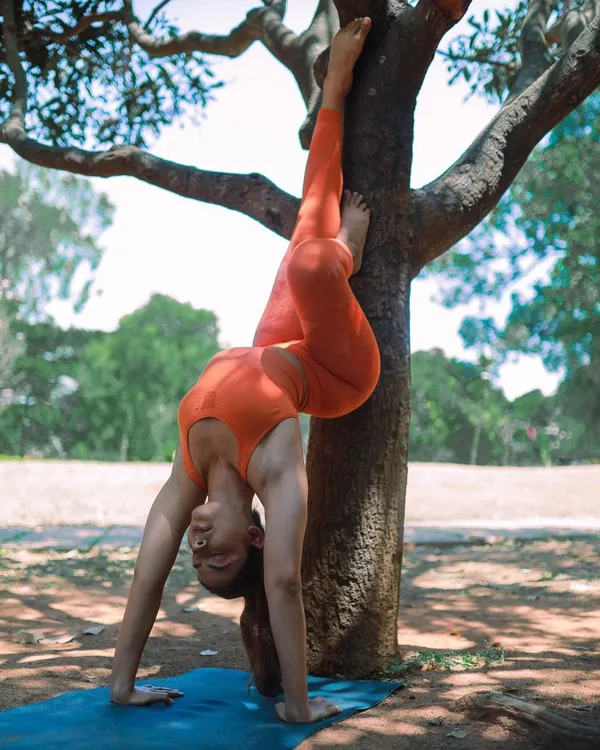
Inversion practice is a journey of patience and steady progress. Whether you are aiming for your first Sirsasana (Headstand) or working towards advanced arm balances like Astavakrasana (Eight Angle Pose), the approach remains the same: listen to your body. My goal is to break these poses down into small, manageable steps so you are never overwhelmed.
Why Build an Inversion Practice?
Going upside down shifts your perspective, literally and figuratively. It builds immense core strength, improves blood circulation, and trains your focus. However, it requires a stable base. This is why we dedicate time to strengthening the arms and upper back before taking our feet off the floor.
How We Practice Together:
- Foundations First: We start with foundational arm balances like Kakasana (Crow Pose). Mastering your hand placement and learning to shift your weight forward is the key to all advanced inversions.
- Drills: I provide specific exercises like scapula engagement and core stability work that you can practice daily. Consistency in these micro-movements is what makes the final lift possible.
- Safety: We use props such as yoga blocks and the wall. There is no rule that says you must practice without support. My role is to help you find the variation that serves your body today, not the version you saw on social media.
Join a Workshop in Bangalore
While I offer online sessions, my in-person workshops in Bangalore are the perfect space to dive deeper. In these intensive sessions, we get hands-on with anatomy checks and partner-assisted spotting to help you overcome mental blocks. If you are ready to explore your strength, check my schedule for upcoming pop-up events at local studios.
Similar work from other experts
Browse through Curated picks from other experts on mytribe
 89
89Inversions: Finding Balance Upside Down
Finding Strength Upside Down: Inversions & Arm Balances
 10
10
Master Handstands and Arm Balances Safely
Master Inversions and Arm Balances Safely
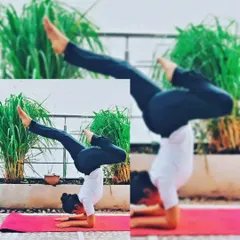
Advanced Yoga: Arm Balances & Inversions
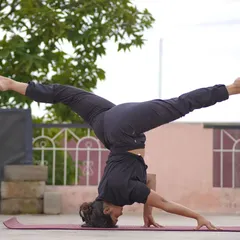
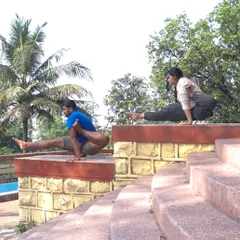
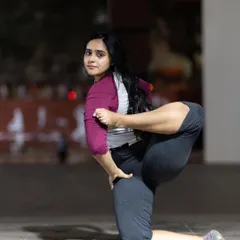
Master Inversions and Arm Balances Safely
More from Group & Private Yoga Classes by Saumya Mishra
More services by Saumya Mishra