Advanced Physiotherapy Techniques for Root-Cause Recovery
I don't believe in passive therapy. Real recovery comes from hands-on work and movement, not machines. Here are the advanced techniques I use at my Najafgarh clinic to target your specific pain points and restore your function.
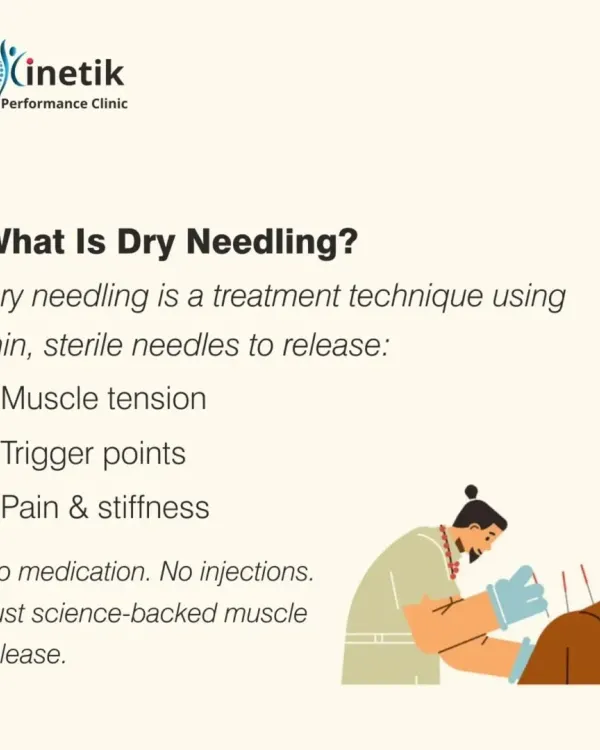
Have you tried dry needling for your back pain? This technique uses fine needles to release myofascial trigger points deep within the muscle. It helps reduce tension, improve blood flow, and provides significant pain relief when combined with exercise.
Here I am performing dry needling on the Quadratus Lumborum (QL) muscle, a common source of deep lower back pain. Releasing this muscle can provide immense relief, especially for pain experienced while turning in bed or taking deep breaths.
This patient had sharp, needle-like pain in his side when breathing or turning, caused by a tight QL muscle. After just one session of dry needling on the QL, he reported 80-90% relief and was able to sleep comfortably.
This video shows electric dry needling being performed on different muscle groups. This technique combines traditional dry needling with electrical stimulation to enhance the neurophysiological effects, promoting pain relief and muscle homeostasis.
Can you perform dry needling on diabetic patients? Yes, but with caution. I explain the precautions needed, such as checking blood sugar levels, due to potential risks like impaired wound healing and neuropathy.
This is a demonstration of cupping therapy. The suction created by the cups helps to improve blood circulation and release muscle stiffness. It's a useful tool for relieving superficial muscle tension.
Who says physiotherapy is boring? Here we are having a bit of fun during a cupping therapy session. A relaxed and positive environment is also part of the healing process.
This is a wet cupping therapy session. I'm busting some common myths: it is an invasive procedure and can be painful, and no, it does not remove "ganda khoon" (bad blood). It's important to perform this with proper safety measures.
I'm applying kinesiology tape to a patient's knee joint. This technique is not just a trend; it's an evidence-based method to improve proprioception, reduce pain, and support functional movement, especially for joint instability.
This patient has an SI joint dysfunction and a weak left glute. To accelerate his recovery, I'm using an Electrical Muscle Stimulator (EMS) on his glute muscles while he performs isometric exercises, ensuring faster and more effective muscle activation.
About Advanced Treatment Techniques
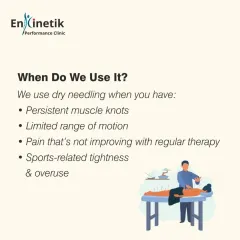
Most clinics will just hook you up to a TENS machine and call it a day, but that rarely solves the problem. When I use tools like dry needling on a tight muscle like your Quadratus Lumborum, I am looking for a specific 'twitch' response that confirms we have hit the trigger point. Whether it is cupping to improve local circulation or electrical muscle stimulation to wake up a dormant nerve, every technique I choose is because your assessment data shows it is the fastest way to get your muscles firing correctly again.
My clinic, Ace of Spine, is built on a simple premise: if a treatment does not help you move better, it is not worth doing. I use advanced modalities, but only as part of a larger plan involving manual therapy and corrective exercises.
Why I Use Specific Techniques
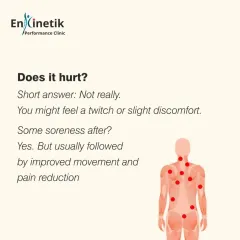
- Dry Needling: This is not acupuncture. I use it to target myofascial trigger points that are causing restricted range of motion or chronic muscle pain. Yes, it can feel intense, but it is highly effective for deep-seated tension in the back and glutes.
- Cupping Therapy: A simple, effective way to increase blood flow and manage muscle stiffness. I use it to improve tissue flexibility, but I will be the first to tell you it is not a magic solution for 'releasing toxins.'
- Electrical Muscle Stimulation (EMS): If a muscle is weak or flaccid due to nerve injury, EMS helps me activate the muscle while you perform isometric exercises. It bridges the gap between 'can't move' and 'functional movement.'
- Kinesiology Taping: I use this to provide sensory feedback and support joint stability, especially for conditions like knee pain or ligament strain. It helps you maintain form during your home exercises.
Safety Matters
I am cautious. For instance, I perform dry needling on diabetic patients only with strict blood sugar monitoring due to wound healing risks. I do not perform wet cupping on every patient. Everything I do is backed by evidence, not trends. If you are tired of generic machines and want a physiotherapist who will actually find the root cause of your pain, you are in the right place.
Similar work from other experts
Browse through Curated picks from other experts on mytribe
 12
12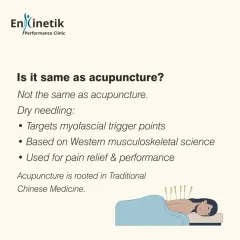
Manual Therapy, Dry Needling & Taping for Recovery
Advanced Physiotherapy & Recovery Techniques
 4
4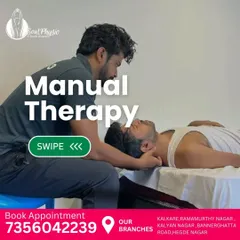

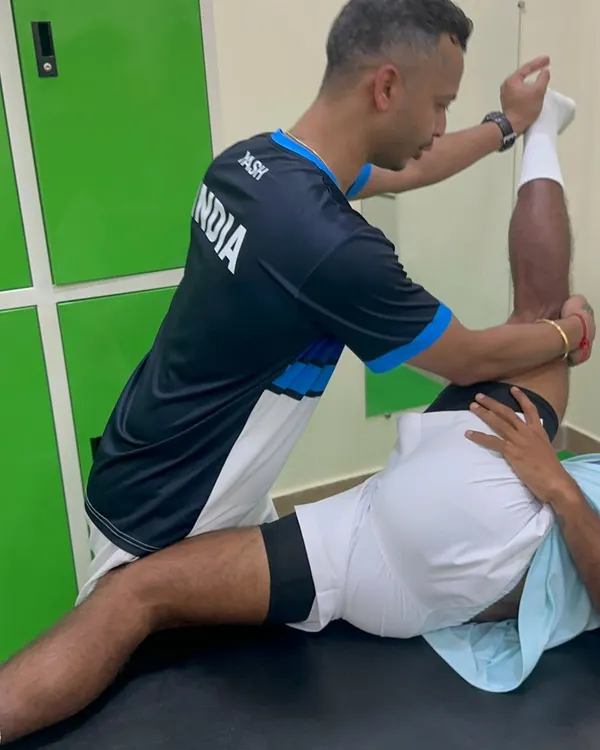
Effective Physiotherapy Treatment Methods
 5
5
Manual Therapy and Hands-On Recovery Techniques
 6
6Advanced Healing Techniques and Modern Physiotherapy
My Hands-On Approach to Physiotherapy and Recovery
More from Neurological Rehabilitation by Shruti Raj
More services by Shruti Raj