Shoulder Rehabilitation: Heal the Root Cause, Not Just Pain
Don't ignore that stiffness. Shoulder pain often hides an issue in your posture or back muscles. At Ace of Spine, we look at the whole system to get you moving again.
This patient's shoulder abduction (side lifting) was severely restricted, a classic sign of frozen shoulder. After aggressive mobilization and exercises, you can see the incredible improvement in his range of motion. Sometimes we have to be a bit harsh to get the best results.
A proper shoulder assessment is key. This patient had pain during flexion and abduction. I performed a full assessment to find the root cause, which could be anything from AC joint degeneration to bursitis, before starting manual therapy.
The scapulothoracic joint plays a major role in shoulder health. Here, I am performing mobilizations on this pseudo-joint, followed by using a Mulligan belt to increase space in the glenohumeral joint for a patient with a gym-related shoulder injury.
For frozen shoulder patients, progressing to overhead exercises is a big milestone. Here, I am using a TheraBand on a ladder wall to assist the patient's movement upwards while also engaging her scapular retractors. We modify exercises to fit each patient's needs.
Do you have pain in the front of your shoulder? The cause might be in the back. I explain the anatomy of the shoulder complex and why a physiotherapist works on the entire system, including the scapula and related joints, not just the area of pain.
A prolonged sitting job can cause rounded shoulders, which leads to tight pec muscles and weak back muscles. This imbalance was the cause of this patient's shoulder pain. I am assessing his restricted internal and external rotation to confirm the diagnosis.
This patient came with shoulder pain from a gym workout. After assessment, I found tightness in his teres major and minor muscles. Here, I am performing manual release on his back, followed by cupping, to prepare him for corrective exercises.
This is the strain-counterstrain technique, taught by my professor Dr. AMR Suresh. It is a gentle but highly effective manual therapy method for treating supraspinatus tendinitis and improving the shoulder's abduction range.
I don't use chiropractic adjustments for peripheral joints like the shoulder. Instead, I prefer mobilization techniques like these inferior glides. You can even hear a "pop" sound, which shows that mobilization is essentially a graded form of adjustment.
This patient's shoulder movement was stuck at 90 degrees. After an aggressive manual therapy session, his range improved significantly, though he felt tired. Post-treatment fatigue and soreness are normal as we wake up dormant muscles.
About Shoulder Rehabilitation: From Pain to Performance
Stop relying on TENS machines for quick relief. If you have rounded shoulders from desk work, your pecs are likely tight while your back muscles are weak—that is the actual culprit, not just the ache in your arm. I perform a full diagnostic assessment of your shoulder complex to build a manual therapy and exercise plan that fixes the root cause, not just the symptom.
Beyond The Quick Fix
Many patients come to me thinking a machine or a single adjustment will reset their shoulder. It rarely works that way. Whether you are dealing with a frozen shoulder, a sports injury from the gym, or chronic pain from a desk job, the issue is almost always a combination of joint stiffness and muscle imbalance.
My Approach in Delhi NCR
I treat the shoulder as a complex system. When you visit my clinic in Najafgarh, I do not just treat where it hurts. I look at the scapula, the spine, and your daily movement patterns.
My recovery process includes:
- Manual Therapy & Mobilizations: I use techniques like inferior glides and Mulligan belt applications to create space in the joint and improve range of motion.
- Invasive Modalities: For chronic tightness and knots, I use dry needling, cupping, and IASTM scraping to reset your muscles.
- Corrective Exercise: This is the non-negotiable part. You will get a personalized plan—not generic YouTube routines. If you have an ACL tear or rotator cuff injury, we start with muscle activation and build up to sport-specific drills.
Surgery is often just the starting gun, not the finish line. If you are struggling with post-op stiffness or just want to get back to lifting weights without that nagging shoulder pain, we need to talk. Remember, I don't give medicine, and I expect you to do your homework.
Similar work from other experts
Browse through Curated picks from other experts on mytribe
 6
6
Relief for Chronic Back and Shoulder Pain
 5
5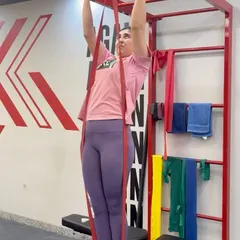
Specialized Shoulder, Neck & Upper Body Rehabilitation
Neck and Shoulder Rehabilitation
Rehab, Mobility, and Movement Therapy
Expert Recovery for Upper Body & Spine Injuries
Relief for Neck, Shoulder and Arm Pain
More from Sports Injury & Post-Surgical Rehabilitation by Shruti Raj
More services by Shruti Raj