Beginner Yoga: Building Confidence & Foundation
Yoga isn't about being flexible or looking perfect—it's about learning to show up for yourself. This collection breaks down the basics to help you build a safe, sustainable practice at your own pace.
Welcome to the first episode of my Beginner Series. We start with Adho Mukha Svanasana (Downward-Facing Dog), one of the most fundamental poses in yoga. I'll show you how to find the right alignment to avoid a rounded back and build strength, even if you have tight hamstrings.
In episode two, we explore Trikonasana (Triangle Pose). This is a wonderful asana for improving posture and stretching your hamstrings. I'll guide you on proper foot placement and how to avoid putting pressure on your knee joint, making the pose accessible and effective.
Episode five covers Utthita Parsvakonasana (Extended Side Angle Pose). This pose is a great combination of strengthening and stretching. I'll show you how to use a yoga block to ease into the posture and get a deep side-body stretch while building leg strength.
Ready for a deep hamstring stretch? Episode six is all about Utthita Parsvottanasana (Pyramid Pose). I'll explain how to square your hips and use a block for support, making this intense stretch safe and beneficial for improving your flexibility over time.
Prepare to feel the burn in your legs with Utkatasana (Chair Pose) in episode seven. This powerful asana strengthens the thighs and core. I'll teach you the key alignment of keeping your knees from crossing your toes to activate the right muscles and protect your joints.
In the final episode of the beginner series, we learn the four variations of Prasarita Padottanasana (Wide-Legged Standing Forward Bend). This sequence is fantastic for stretching the hamstrings, strengthening the back, and bringing calming blood flow to the head.
Let's talk about a key alignment point in Anjaneyasana (Low Lunge): should your knee cross your ankle? In this video, I explain the proper joint stacking to protect your knee and deepen the hip-opening benefits of the pose, a crucial detail for a safe practice.
Feeling wrist pain during Plank Pose? You're not alone. Here's a simple tip using the Cat-Cow movement to engage your core correctly. This small adjustment shifts the work from your wrists to your abdomen, allowing you to hold your plank longer and stronger.
A good warm-up is essential for a safe and effective practice. In this video, I share some of my favorite dynamic movements, like Downward Dog to lunge flows, that I use in almost every class to open the hips, warm up the spine, and get the heart rate up.
About Beginner's Corner: Your First Steps in Yoga
Many beginners worry that they aren't 'flexible enough' to start, but that’s the wrong way to look at it. The most common hurdle is actually just understanding how to move without straining your joints. For example, in Downward-Facing Dog, you don't need to force your heels to the floor or lock your knees. It is actually better to keep a soft bend in your knees and focus on lengthening your spine. This one shift keeps you safe and helps you actually feel the benefits of the pose rather than just the discomfort.
When I first started yoga, I couldn't even touch my toes. I wasn't doing it for a 'fit' body; I was doing it because I needed an escape from my own anxiety. That is why I built this corner of the studio for you. Whether you are dealing with stiffness from desk work or just want to feel calmer, our beginner-focused sessions are designed to meet you exactly where you are.
Finding Your Flow In this series, we break down essential movements like Utkatasana (Chair Pose) and Trikonasana (Triangle Pose). We focus on 'joint stacking'—keeping your knees safe, protecting your wrists, and understanding how to use common household props like books or belts as substitutes for yoga blocks. This bridge helps you move from where your body is today to where you want it to be without injury.
What to Expect
- Small Batch Vibes: You won't get lost in a crowd. We keep classes intimate so I can provide personal attention and real-time corrections.
- Breath & Movement: By blending Hatha and Vinyasa, we keep the pace steady. It is not just exercise; it is a tool to help you regulate your nervous system.
- No Ego: There is no pressure to compete or achieve 'perfect' poses. We focus on consistency and alignment over everything else.
If you are nervous about joining a class, start here. Browse through these videos to get a feel for how I teach, and if you are ready to learn in a safe, guided environment, I'd love to have you on the mat.
Similar work from other experts
Browse through Curated picks from other experts on mytribe
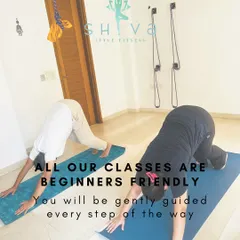
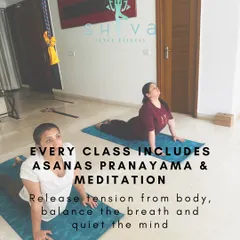
Yoga for Beginners: Start Your Journey
Beginner Yoga Classes: Start Your Practice Simply and Safely
Your First Step: Yoga for Beginners
 17
17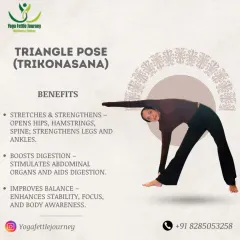
Start Your Yoga Journey with Guided Care
Beginner Yoga Tutorials and Simple Routines
Yoga for Beginners and Safe Alignment in Bengaluru
More from Personal Yoga Training by Gowri
More services by Gowri