The Art of the Backbend & Forward Extension
Backbends and forward extensions are not just physical challenges; they are opportunities to explore your range, breath, and alignment. We use specific tools to make these powerful poses accessible, safe, and deeply intelligent.
One of my most important learnings about backbends is understanding where you are arching from. Most of us bend from the flexible lower back, but the real work is to open the stiffer upper back. Here, I demonstrate how to use a prop to facilitate this action.
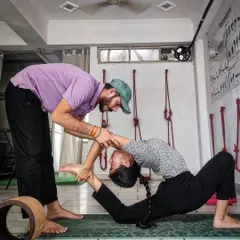
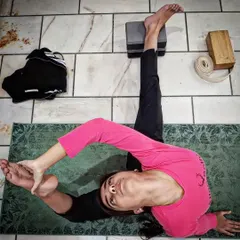
There is a fascinating relationship between twists and backbends. In this clip from a workshop in Bogota, we explore how twisting actions can prepare the spine for back arches, invigorating the nervous system and keeping the back healthy.
There is a 100:1 rule in teaching: practice 100 times before teaching once. This video shows the process of exploring a deep backbend over a chair, a lived experience that we then try to verbalize and share with our students.
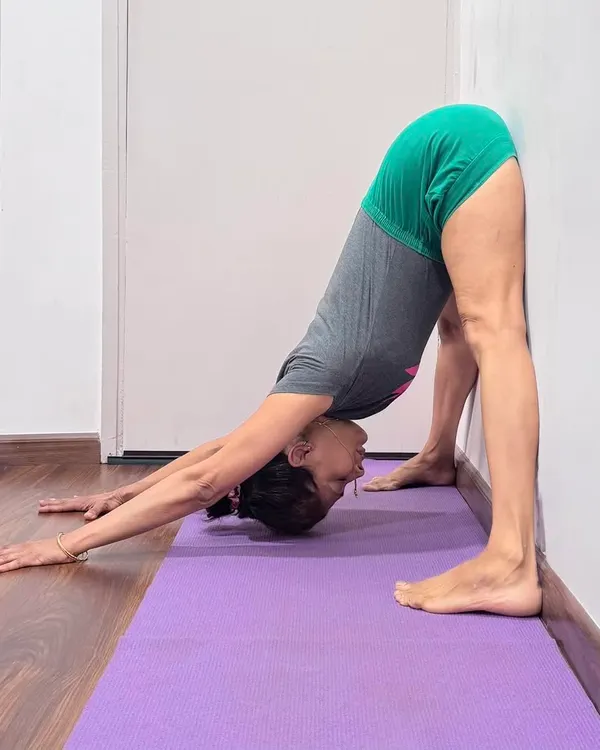
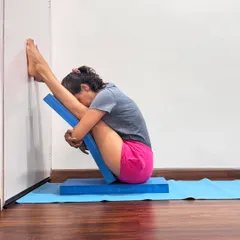
A forward bend is much more than a measure of flexibility. Whether you flop forward easily or struggle to bend, there is always deeper work to be done. True forward extensions require strong legs, an active core, and engaged arms to improve breath capacity.
This hot month has been a wonderful opportunity to explore supported back arches. These variations, like this one on a trestle, allow for deep opening and release without overheating the body, offering an exquisite and cooling practice.
About The Art of the Backbend & Forward Extension
Most of us treat backbends as a test of how far we can arch the lower back, which is often where we find pain or compression. In our Cooke Town studio, we shift the focus to the thoracic spine—the upper back—which is naturally stiffer. By using props like chairs, trestles, or blankets to support your weight, we help you find length and openness without straining your lower back, making the pose both sustainable and deeper.
Why Props Change Everything
In the Iyengar method, props are not crutches for the weak; they are sophisticated instruments for alignment. When we practice a forward extension or a back arch, the goal is not to force the body into a shape but to teach the body how to open. A chair or a wooden trestle acts as an extension of the teacher's hand, allowing you to hold a pose longer so your nervous system can settle and your muscles can release. This is essential for students dealing with injury, stiffness, or simply those wanting to refine their practice.
The Relationship Between Extension and Arching
We rarely view these two categories of poses in isolation. Forward extensions—often misunderstood as simple stretches—actually require intense leg work and core engagement to protect the spine. When practiced correctly, they cultivate the very stability needed to move safely into backbends. We explore this dynamic relationship in our Bangalore classes, often using wall ropes to decompress the spine before moving into deeper arches.
Who This Is For
Whether you are an athlete looking to recover or someone seeking relief from desk-bound tightness, this approach prioritizes function over form. We move slowly, with precision, focusing on where you feel the pose rather than how it looks from across the room.
Join the Practice
All new students are required to complete our Introductory Immersion Course. This 4-6 week module teaches you the fundamental safety protocols and prop usage necessary to join our regular monthly batches, ensuring you have the tools to practice intelligently and independently.
Similar work from other experts
Browse through Curated picks from other experts on mytribe
Backbends & Flexibility: Safe, Prop-Based Training in Janakpuri
Safe Spinal Health & Backbending Yoga with Props
Advanced Yoga Poses & Arm Balances
 68
68
Deepening Your Practice: Iyengar Yoga Asana Explorations
Advanced Asana Mastery & Iyengar Yoga Classes
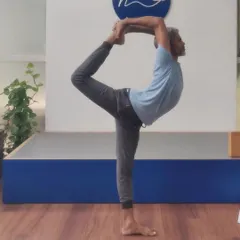
Advanced Asana: Deep Backbends & Spinal Flexibility
More from Iyengar Yoga Classes and Workshops by The Practice Room
More services by The Practice Room