Deepening Your Practice with Props
Props are not crutches, but bridges to understanding. We use chairs, wall ropes, and blocks to reveal your body's potential, making complex asanas accessible and insightful regardless of your current flexibility.
Here, the chair and block are used not to make the pose easier, but to make it more intelligent. By supporting the thigh, the chair provides feedback to deepen the hip rotation and stabilize the pelvis in Virabhadrasana II (Warrior II), allowing you to hover and build true strength.
Using a chair in Virabhadrasana I (Warrior I) allows us to focus on the descent of the back knee with control. The prop supports the body, so you can bring your full awareness to the alignment of the hips and the extension of the spine.
This dynamic sequence shows a transition from Trikonasana (Triangle Pose) to Ardha Chandrasana (Half Moon Pose) using a chair for support. This builds confidence and teaches the body the correct pathway of movement without the fear of falling, making the transition fluid and strong.
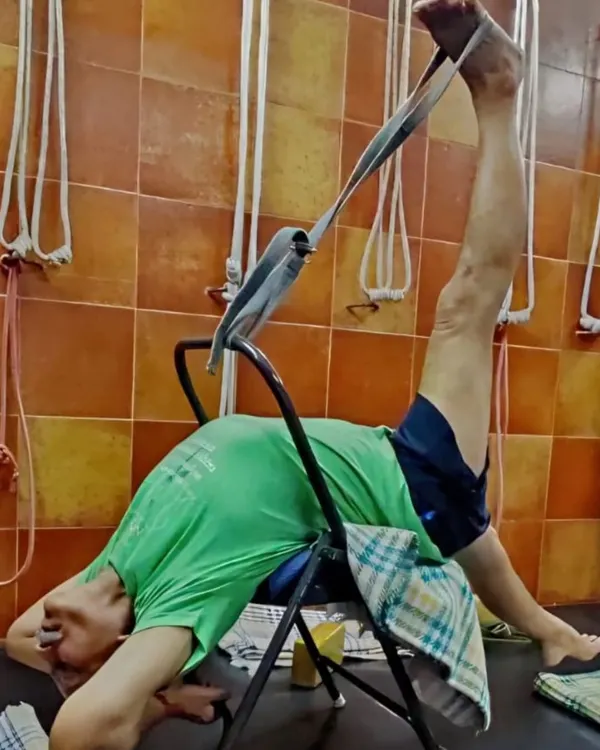
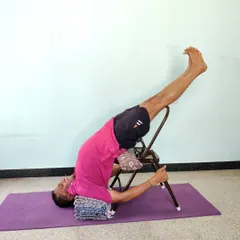
This is a supported, restorative backbend using a specialized bench and chair. This setup allows the body to completely surrender into the pose, releasing deep-seated tension in the spine and chest, and translating philosophy into a lived experience of expansion and grace.
A simple chair can transform Uttanasana (Standing Forward Bend). By resting the head and supporting the body, we can release the spine with the ease of a leaf dropping from a tree, turning a potentially strenuous stretch into a calming, restorative posture.
This is a variation of Navasana (Boat Pose) using two chairs for support. This setup helps to isolate and engage the abdominal muscles for firming and toning, while also working on hamstring flexibility and spinal length.
By adjusting the position on the chairs, we can focus on the lifting action of the abdominals. This supported boat pose variation teaches the core how to lift the chest and legs, building the strength needed for the full, unsupported asana.
This seated pose on a chair is an excellent way to tone the abdominal muscles and lengthen the spine. The chair provides a stable base, allowing you to focus on lifting through the torso and extending the arms, creating space and strength from within.
Using a trestle prop in Parsvakonasana (Side Angle Pose) provides support to explore the pose with precision. This allows for a deeper opening in the side body and hips, while ensuring the alignment of the spine and legs remains intact.
Here, the trestle is used to support the body in a variation of Ardha Chandrasana (Half Moon Pose). This allows for a sustained hold, teaching the body the principles of balance and extension without strain, opening the hips and lengthening the spine.
About Props as Tools for Discovery
When you use a chair to support your thigh in a standing pose, you stop guessing and start feeling the actual alignment. It provides feedback to the hip, allowing you to sustain the posture long enough to understand the precise muscular engagement required. In our Cooke Town studio, this is never about making the work easier, but about making it intelligent.
In the Iyengar method, props are instruments of inquiry. Think of a block or a wall rope not as an aid to bypass difficulty, but as a tool to map your own anatomy. When you struggle to hold an asana, your mind is often clouded by the simple effort to stay upright. By using a chair to support the hips or a wall rope for spinal traction, we remove the distraction of imbalance. This allows you to observe the exact action of the muscles and the rotation of the joints.
We see this daily in our practice. A student might find backbends daunting, but with a bench or bolsters, they can sustain the opening, allowing the chest to expand and the breath to deepen. We move from merely performing a pose to inhabiting it. This creates a practice that is sustainable, therapeutic, and deeply personal. It is the difference between doing a repetition and having an experience. We teach you to use these tools to build strength, manage pain, and eventually, develop the capacity to practice with greater awareness on your own.
Similar work from other experts
Browse through Curated picks from other experts on mytribe
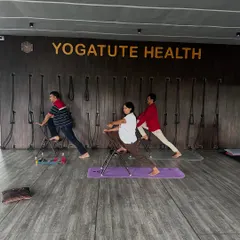
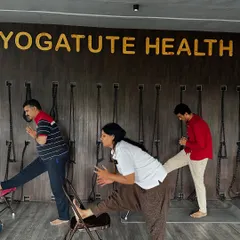
Prop-Assisted Yoga for Precision and Healing
 63
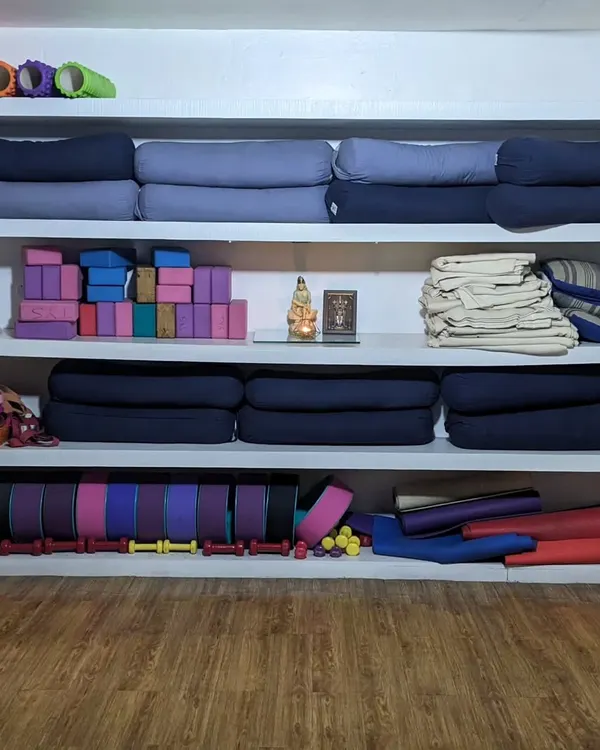
63Yoga with Props in Hauz Khas
 22
22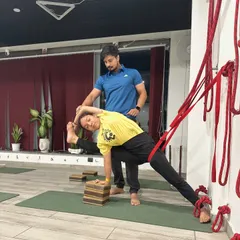
Iyengar Yoga with Props: Precision and Alignment
 33
33
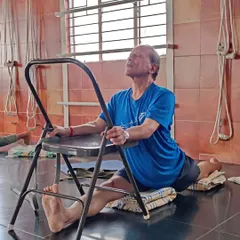
Master Your Alignment with Iyengar Yoga Props
Iyengar Yoga Props for Alignment and Support
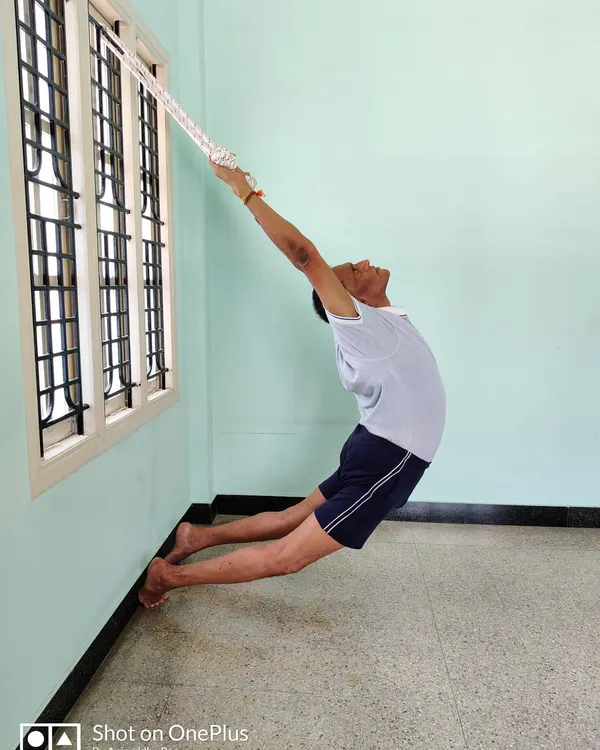 4
4
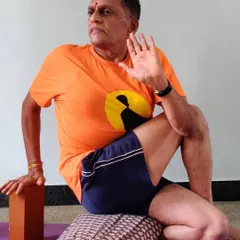
Iyengar Yoga Props for Precision
More from Iyengar Yoga Classes and Workshops by The Practice Room
More services by The Practice Room