The Art of Inversions: Sirsasana and Sarvangasana
Inversions are the king and queen of asanas, but they require more than just strength. We explore how to build Sirsasana and Sarvangasana with intelligence, using props to protect your neck and establish true alignment.
Many of us have tilts in our shoulders or hips that become more pronounced upside down. Using a corner and blocks provides tactile feedback to correct these imbalances in Sirsasana, helping to build a more centered and sustainable headstand practice over time.
Kicking up into a headstand can disturb the foundation in your neck and shoulders. I teach methods to go up with control, which is safer and builds more core awareness. This video explains the importance of a slow, deliberate entry into the pose.
Neck pain should not be a regular part of your headstand. It often indicates that the shoulders are not lifting enough to bear the body's weight. This clip shows how to use blocks for support to train the upper back and create lightness in the neck.
This is an extract from a recorded session on creating lifted shoulders for a lighter Sirsasana. We explore a suite of preparatory actions that build the necessary strength and awareness before you even go upside down, ensuring the neck remains safe.
Refining your Sirsasana practice is about more than just being upside down. Here, students practice a leg variation at a wall panel, which acts like a corner to help maintain alignment and stability for a longer, more beneficial hold.
This is the Baddha Konasana (Bound Angle) leg variation in Sirsasana. Practicing this against a wall helps open the hips while maintaining the integrity and lift of the shoulders, a key principle in advanced Iyengar yoga inversions.
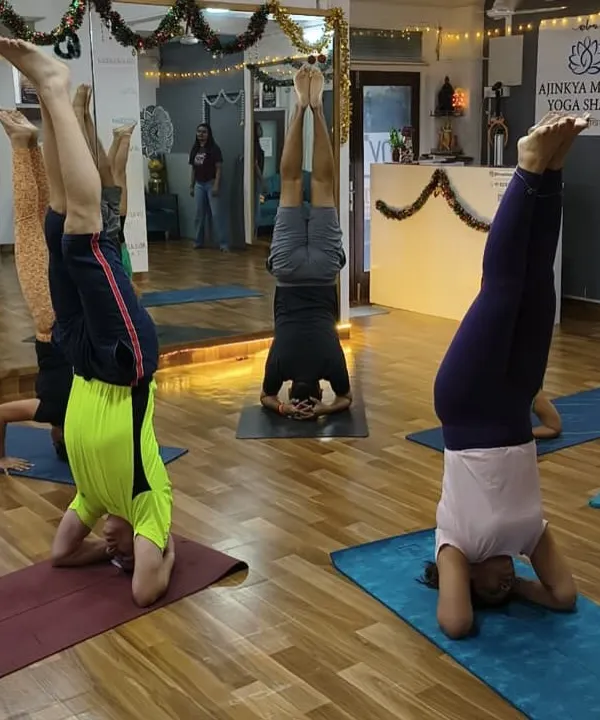
A group of students practicing different stages of headstand against the wall. The wall is an invaluable teacher in yoga, providing support and feedback that allows each student to work at their own capacity safely.
Here is a simple but effective hack for improving your headstand balance. By holding the position with bent legs and feet to the buttocks, you can find your center of gravity more easily before extending the legs up.
If your headstand tends to curve like a banana, it often means the core and upper back are not engaged correctly. This clip shows a partner adjustment that helps a student find a straighter, more integrated line from the shoulders to the feet.
Sirsasana (headstand) and Sarvangasana (shoulder stand) are the king and queen of asanas. They are learned progressively and refined over time. This clip shows the two iconic inversions and the importance of proper technique for their full benefits.
About The Art of Inversions: Sirsasana & Sarvangasana
If your neck feels strained or you catch yourself 'banana-backing' in Sirsasana, you are likely missing the necessary engagement in your upper back. I teach methods using corner walls and blocks as tactile feedback tools, ensuring your shoulders—not your neck—bear the weight. This setup allows you to identify and correct postural tilts before they become ingrained habits.
In the Iyengar tradition, Sirsasana (Headstand) and Sarvangasana (Shoulder Stand) are revered as parent asanas. They demand a fundamental shift in perspective, not just physically, but neurologically. My approach to these inversions is grounded in anatomy rather than brute force. We avoid the common 'jump and hope' method of entering poses, which often disturbs the cervical spine. Instead, we break down the entry into distinct preparatory actions.
Using the wall corner is a specific technique I emphasize. It acts as a neutral guide, allowing you to sense lateral tilts in your shoulders or hips that you cannot feel when you are upside down. When you place your forearms against the walls, you receive immediate data. If one side slides, you know exactly where your imbalance lies.
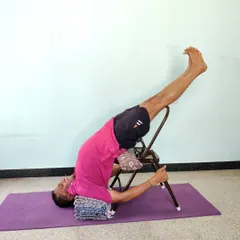
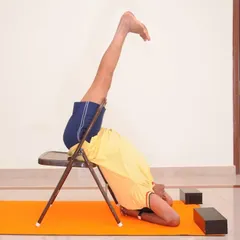
For shoulder and neck protection, we use blocks and bolsters to create a lift in the thoracic spine. If the upper back collapses, the neck must compensate, leading to the discomfort many students mistakenly accept as normal. We treat the neck as a vital structure, never to be subjected to chronic stress. You will find that by engaging the inner thighs and stabilizing the tailbone, often by pressing into door frames or wall panels, you create a solid foundation that makes the inversion feel buoyant rather than heavy. This is not about achieving a perfect photo; it is about building a sustainable practice that you can maintain for decades. Whether you are a teacher looking for precise cues or a student struggling to find your center, these methods provide the structural honesty needed to advance safely.
Similar work from other experts
Browse through Curated picks from other experts on mytribe
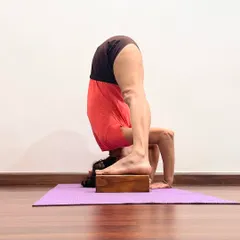
Inversions: Headstands & Shoulder Stands
Master Sirsasana: Precise Alignment and Safe Inversions
Finding Stability: Sirsasana & Pincha
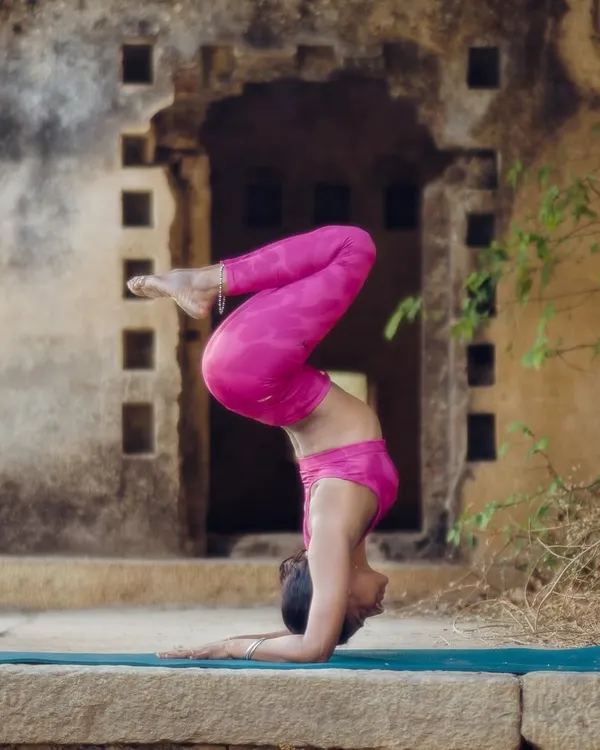 89
89Inversions: Finding Balance Upside Down
 6
6
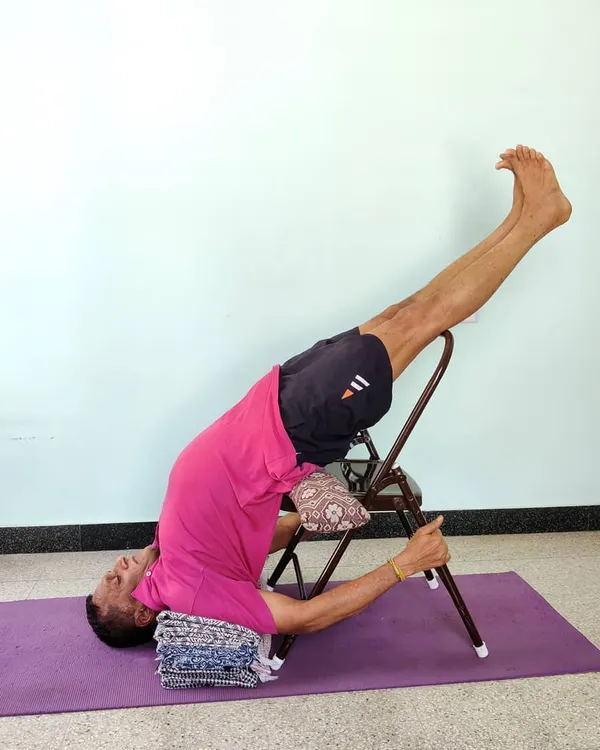
Supported Inversions and Restorative Yoga
 25
25
Master Your Inversions: Safe Guidance & Alignment
More from Advanced Yoga Studies by The Practice Room
More services by The Practice Room