Supported Inversions and Restorative Yoga
Inversions and restorative poses are essential for immunity and recovery. I teach you how to use props like chairs, ropes, and blocks to hold these poses with precision and safety.
Chair Sarvangasana, or supported shoulder stand, is a cornerstone of the Iyengar method. The chair provides support to the back, allowing for a longer, more beneficial hold.
A variation, Eka Pada Sarvangasana, performed with the support of a chair. This single-leg variation adds intensity while the prop ensures stability and safety.
This is another view of a supported shoulder stand using a chair and blankets. The props are arranged to protect the neck and allow the chest to open fully.
Viparita Karani using a chair. This variation provides a deeper backbend and opening of the chest compared to performing it only against a wall.
A simple yet effective setup for Viparita Karani using a wooden brick for support. This is a key restorative pose we practice at the end of class.
The classic execution of Viparita Karani, using hands to support the lower back. This builds arm strength and control while providing restorative benefits.
About Supported Inversions & Restorative Poses
You will notice in these images that I use chairs and wooden bricks extensively. This is not about making yoga 'easy'; it is about alignment. When you are fully supported, you can hold the pose longer, allowing your nervous system to calm down and your body to recover. In my class, you will learn exactly how to set up these props so that your neck and spine are protected while you reap the full benefits of the inversion.
People often think inversions require brute strength, but in the Iyengar method, they require intelligence. Using props like chairs in Chair Sarvangasana or bricks in Viparita Karani is not a shortcut—it is a way to unlock the pose for your specific body type.
When you practice supported inversions, you are essentially reversing the flow of gravity. This helps in circulating blood to the upper body and head, boosting immunity and calming the mind. However, without correct alignment, you risk injury, particularly in the neck and lower back. That is why I spend time teaching you the setup. If you do not have the right angle or support, the pose loses its therapeutic value.
In my sessions, we focus on:
- Prop setup: Learning to place the blanket and chair correctly so you do not strain your neck.
- Controlled entry: Moving into the pose with awareness, not momentum.
- Holding with stability: Using the support to breathe deeply, which is where the real recovery happens.
These poses are vital for students who are stiff, recovering from injury, or simply looking to manage stress levels. If you have been hesitant about doing shoulder stands because of neck pain, props will change your experience entirely.
Similar work from other experts
Browse through Curated picks from other experts on mytribe
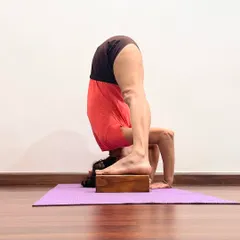
Inversions: Headstands & Shoulder Stands
Supported Yoga Practice with Props in Santacruz
Mastering Advanced Poses with Props
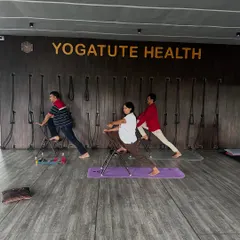
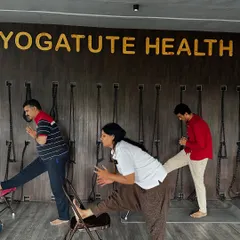
Prop-Assisted Yoga for Precision and Healing
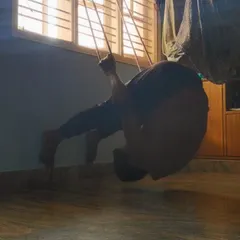
Therapeutic Yoga & Prop-Assisted Practice
 11
11
Props & Alignment: Safe Yoga for Every Body
More from Online Pranayama Classes by Madhava R
More services by Madhava R