Inversions: Headstands & Shoulder Stands
Inversions like Sirsasana (Headstand) and Sarvangasana (Shoulder Stand) require precision, not force. I use props like ropes and chairs to support proper alignment and safety, ensuring these powerful asanas are accessible to everyone.
Ardha Sirsasana (Half Headstand) at a corner. Using the corner helps to keep the head aligned, lifts the spine and shoulders, and lengthens the neck, making the pose feel light.
Using specialized rods to practice Sirsasana. For those with shoulder and neck problems, the rods support the body's weight, allowing the practitioner to perform the pose with the correct shoulder action and without pain.
Niralamba Sarvangasana (Unsupported Shoulder Stand) taught step-by-step. This asana benefits almost every part of the body, treating everything from breathlessness and headaches to digestive and menstrual disorders.
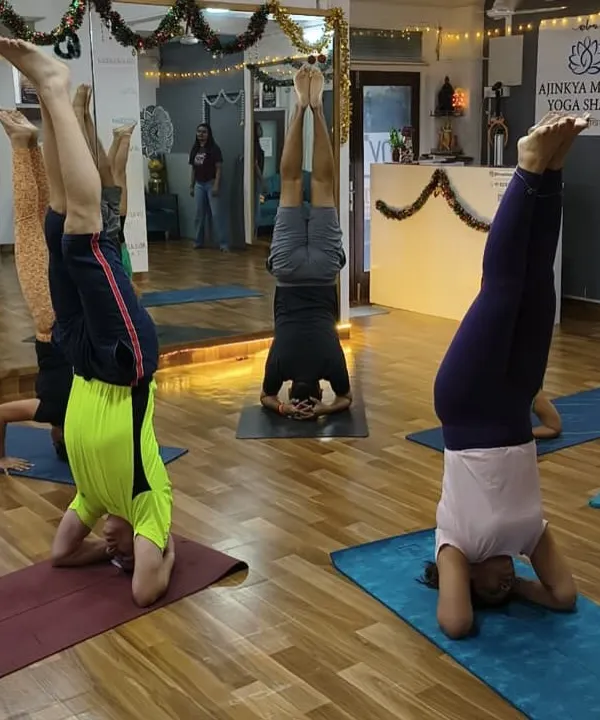
A student practicing Sirsasana. I did not score pass marks at school, but yoga has led me to discover the world. I treat the practice as part of my life, allowing it space within my normal activities.
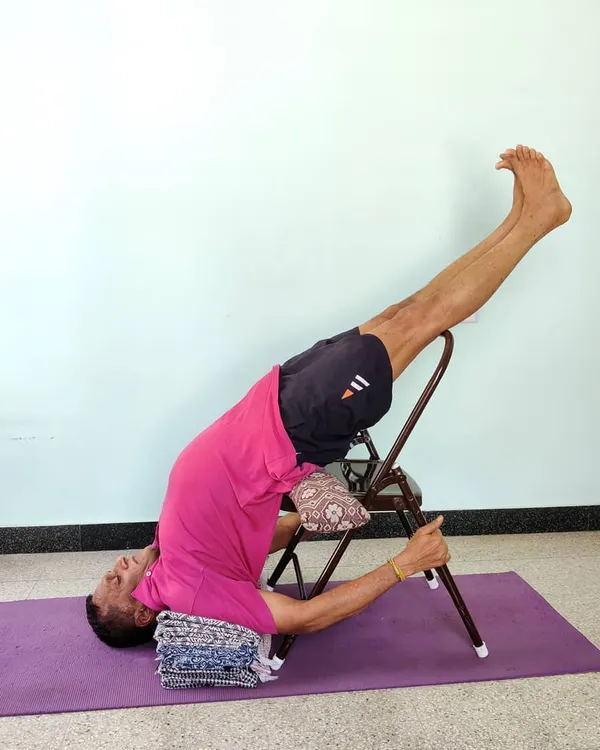
Variations in Chair Sarvangasana. An asana is not a mechanical posture. It involves thought, innovation, and improvisation, at the end of which a balance is achieved between movement and resistance.
Garudasana (Eagle Pose) legs in Sarvangasana. The slight weight of the knee on the frontal brain helps to calm the mind. A virtuous asana is done from the heart, not the head.
Using a belt from a wall hook to enter Sarvangasana. Yoga is the rulebook for the game of life. It is tough, and you will need to train hard, but it demands honesty, application, and love in your heart.
A belted Sarvangasana sequence. The body astonishingly adjusts to the imbalances we create. When these are overstepped, disease sets in. Yoga helps us maintain this natural rhythm.
Supported Halasana (Plow Pose). The generation of prana in the human system can be compared to the generation of electrical energy. The chakras act as transformers, distributing this energy throughout the system.
Sirsasana with legs in Baddha Konasana (Bound Angle Pose), using belts. In this pose, one must learn to balance the five vayus (energies), keeping the throat and diaphragm soft to avoid ill effects.
About Inversions: Headstands & Shoulder Stands
Many students fear inversions, assuming they require intense strength or perfect balance from day one. In my studio, we do not jump into these poses. We use props like specialized wooden trestles, wall ropes, and chairs to support the neck and spine, allowing you to hold the pose long enough for the circulatory and endocrine benefits to take effect while keeping the nervous system quiet.
Precision in Inversions
In the Iyengar method, inversions are not acrobatic feats. They are therapeutic tools. When you perform a Headstand (Sirsasana) or Shoulder Stand (Sarvangasana) with the correct support, you move beyond the physical shape. We use the wall rope to traction the spine and chairs to alleviate weight on the neck, ensuring the chest remains open and the breath, or pranayama, remains steady. This is essential for stimulating the endocrine system and calming the nervous system.
Why We Use Props
Props are not crutches. They are instruments that allow us to study the internal action of the pose. If you have neck stiffness or shoulder discomfort, forcing an inversion without support will only cause injury. By using a belt to hold the elbows in place or blocks to elevate the head, we create space. This space prevents the collapse of the spinal discs and ensures that the flow of prana—or energy—is not blocked by tension in the throat or diaphragm.
Clinical Benefits
These poses have specific therapeutic applications in my practice:
- Circulatory Health: Inversions encourage venous return and improve circulation to the heart.
- Hormonal Balance: Sarvangasana, in particular, applies a natural chin lock (Jalandhara Bandha) that stimulates the thyroid and parathyroid glands.
- Nervous System Regulation: For those dealing with chronic stress or insomnia, the inverted position shifts the body into a state of rest and recovery.
Your Practice, Your Pace
Whether you are practicing in my Katwaria Sarai studio or joining online, we start where you are. We study the anatomical requirements of the pose before attempting the full expression. If you have back pain, sciatica, or restricted movement, we find a variation that brings you the benefit of the pose without the strain.
Similar work from other experts
Browse through Curated picks from other experts on mytribe
Master Sirsasana: Precise Alignment and Safe Inversions
 6
6
Supported Inversions and Restorative Yoga
 25
25
Master Your Inversions: Safe Guidance & Alignment
 8
8
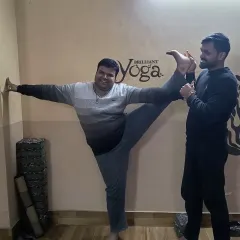
Master Advanced Yoga Asanas and Alignment
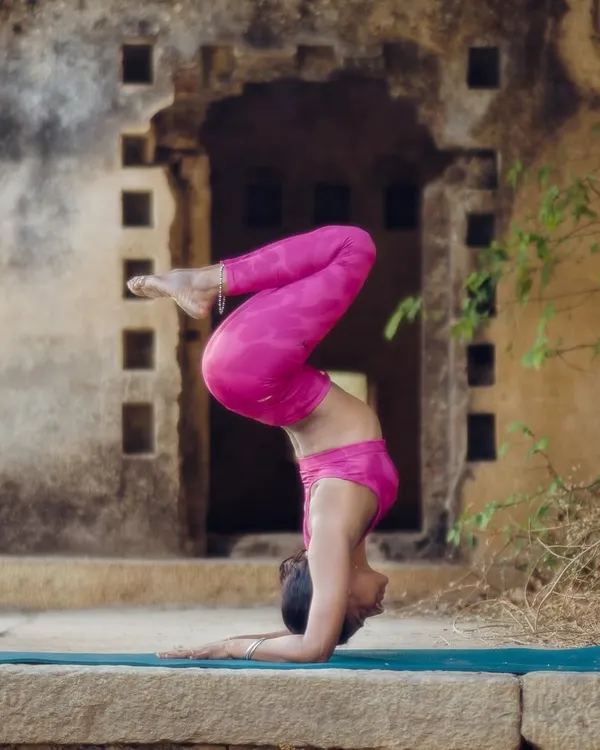 89
89Inversions: Finding Balance Upside Down
Finding Stability: Sirsasana & Pincha
More from Therapeutic Yoga Sessions by Amina Sarkar Bharat Ram
More services by Amina Sarkar Bharat Ram