Specialized Strength & Conditioning for Young Athletes
We help young athletes navigate growth spurts, build essential movement literacy, and prevent common injuries through science-based strength training.
As a parent, are you worried your young athlete is doing too much, too soon? In this video, our founder Chelston Pinto shares three simple ways to prevent burnout: add a structured S&C program, keep training fun, and prioritize recovery.
Smart parents ask the right questions. Before choosing a coach, you should ask about their qualifications with youth athletes, their approach to injury prevention, and their track record. At RSF, we combine certified coaching with experienced physiotherapy for a long-term development mindset.
Why does strength matter at this stage? Training through growth spurts helps rewire motor patterns, stabilize joint mechanics, and improve tendon strength. The movement quality built during this period of rapid neural adaptation lasts for life.
Youth strength training is not just about lifting heavy weights. It includes crawling and landing mechanics, jumping and sprint drills, and medicine ball throws. It's a progressive system, not a punishing one.
What happens if you start strength training too late? It can lead to poor deceleration mechanics, repeated ankle and knee injuries, and a plateau in speed and agility. Strength is a prerequisite for sports-specific skill.
Without structured support, young athletes are at risk for common overload injuries like Osgood-Schlatter (knee pain) and Sever's disease (heel pain). These are not serious injuries but signs of overload on a changing frame.
This image series covers the do's and don'ts of supporting your child through injuries. How you respond as a parent is critical to how well, and how confidently, they will return to their sport.
DO: Seek professional help early. An early assessment helps identify the root cause, not just the pain. A qualified sports physio can design a plan that fits your child's sport, growth stage, and recovery timeline.
DON'T: Ignore pain or push through it. Pain is a signal, not a test of toughness. Ignoring it leads to compensation and new injuries. Teach your child that smart athletes listen to their body.
DO: Follow the rehab plan religiously. Consistent rehab builds strength, stability, and movement control. Skipping steps can undo weeks of progress, so it's crucial to stay the course.
About Specialized Training for Youth Athletes
Growth spurts often create a 'coordination gap' where bone growth temporarily outpaces muscle control and neural adaptation. We use biomechanical screening to identify these imbalances early, ensuring your child develops fundamental strength without the risk of overuse injuries that are common in unguided youth training.
Youth athletic performance is not about lifting heavy weights or following adult-style fitness programs. It is about building a foundation of motor skills, coordination, and resilience during the most critical windows of neural development.
Why Early Specialization Is a Risk
Research shows that athletes who specialize in a single sport before age 12 are significantly more prone to overuse injuries. When the body is forced to repeat the same movement patterns during a growth spurt, it leads to asymmetrical development and joint stress. We prioritize multi-sport exposure and general athleticism to build a body that can handle the specific demands of your child's sport later on.
Our Methodology
We do not guess; we measure. Our approach includes:
- Movement Literacy: Before adding load, we focus on mechanics. Crawling, landing, jumping, and sprint drills form the bedrock of our training.
- Growth Monitoring: We adjust training intensity based on your child's maturity level rather than their chronological age, preventing burnout and mental fatigue.
- Injury Resilience: By strengthening tendons and connective tissue through progressive loading, we create a 'buffer' against common issues like Osgood-Schlatter or Sever's disease.
Beyond the Gym Floor
We believe the coach-parent partnership is vital. We teach your child to listen to their body, distinguishing between the soreness of training and the pain of injury. Our goal is to develop an athlete who is not just better at their sport today, but who has the physical capacity to compete safely for years to come.
Similar work from other experts
Browse through Curated picks from other experts on mytribe
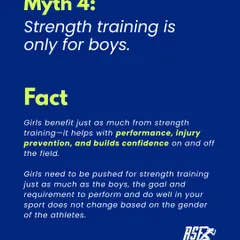
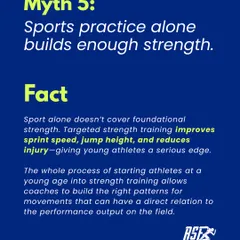
Youth Athlete Development and Performance Training
Youth Athletic Development Programs in Bangalore
Junior Athlete Strength and Conditioning
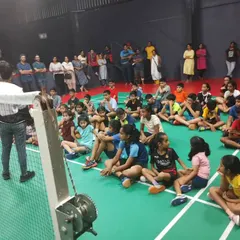
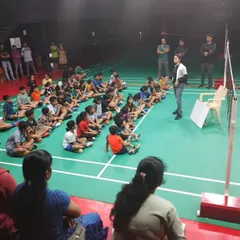
Strength and Conditioning for Young Athletes
Youth Strength & Conditioning
 7
7

Youth Athlete Development: Building Speed, Agility, and Discipline
More from Injury Rehabilitation & Physiotherapy by Rapid Sport Fitness
More services by Rapid Sport Fitness