The Science of Strength and Recovery
Stop guessing your limits. We use sports science, force plates, and movement screens to build a training system that balances intensity with structured recovery for better performance.
A significant portion of on-field injuries happen during deceleration. This video shows athletes performing rapid eccentric strength exercises under load, such as weighted squats with a focus on the lowering phase, to build the capacity to absorb and control force.
Eccentric strength is the foundation that many athletes overlook. This anatomical illustration highlights the muscle lengthening under load, a critical phase for protecting joints and transferring force efficiently.
This infographic explains what makes eccentric strength so important. It helps athletes absorb impact forces, reduce load on joints and tendons, and improve movement quality. It's the difference between being "strong enough" and "game-ready."
If you skip eccentric training, you're leaving performance on the table. Eccentric strength is what allows athletes to absorb load, protect joints, and move efficiently under speed.
The science is very clear. Studies show eccentric-focused training can reduce hamstring injury rates by over 40% and improve the muscle fascicle length needed for more resilient tissue. Performance isn't just built, it's protected.
This infographic shows the practical applications of eccentric training. Simple exercises like Nordic hamstring curls and tempo squats with controlled lowering phases can create measurable change in strength and stability.
Injuries sideline athletes more than competition does. This infographic presents the stark statistics on sports-related injuries, highlighting the need for building resilience to stay on the field.
Most athletes treat cooldowns as an afterthought, but they are a critical training tool. This video explains smart cooldown strategies like down-regulation breathwork and light movement to activate the parasympathetic nervous system and accelerate recovery.
There is a lot of hype around recovery tools, but what actually works? This series ranks the most popular tools based on evidence, explaining what they do and when to use them for optimal results.
Percussion massage guns are excellent for localized muscle soreness and tight spots. They provide short-term increases in blood flow and reduce perceived soreness, making them a good tool for general recovery and warm-ups.
About The Science of Strength & Recovery
True performance is defined by how well your body absorbs and distributes force, not just how much weight you can move. We use biomechanical data from our assessment suite to identify your specific energy leaks and movement limitations. This ensures that every set you perform in the gym and every recovery protocol you follow is calibrated to your unique physiology, keeping you on the field rather than on the sidelines.
Building Resilience Through Eccentric Strength
Most training programs over-index on the concentric phase (lifting) while ignoring the eccentric phase (lowering). At RSF, we treat eccentric control as a pillar of performance. Whether it is weighted squats or Nordic hamstring curls, we emphasize the lengthening phase of the muscle. This builds the capacity to absorb load, protects your joints, and creates the muscle-tendon stiffness required for high-speed mechanics. If you want to run faster, jump higher, or change direction without fear, you must train your body to handle the braking forces.
The Recovery Ecosystem
Recovery is not an optional add-on. We view it as a critical training tool to manage your parasympathetic nervous system. After high-intensity sessions, your body needs a sharp recovery drop to adapt. We guide you through targeted interventions:
- Down-regulation: Using breathwork and slow-tempo environments to exit 'fight or flight' mode.
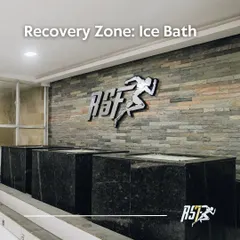
- Physiological Reset: Using ice baths and compression therapy to blunt acute inflammation and manage tissue soreness.
- Mechanical Restoration: Utilizing light movement and soft tissue flows to maintain range of motion.
Why Data Matters
We do not guess. We use handheld dynamometers to measure your force output and jump mats to analyze your reactive strength. This objective data helps us build a roadmap that is specific to your goal, whether that is returning from an ACL injury or breaking through a strength plateau. We analyze how your body moves so you can stop dealing with recurring tendon pain or muscle strains and start building long-term durability.
Similar work from other experts
Browse through Curated picks from other experts on mytribe
 15
15
High-Performance Training and Recovery Facilities in Bangalore
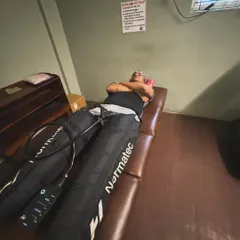
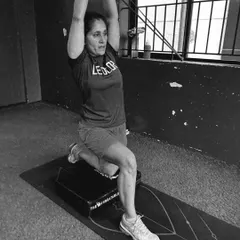
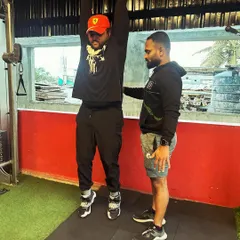
Strength Training and Recovery Work at A3 Performance
Strength and Conditioning for Peak Athletic Performance
The Science of Training
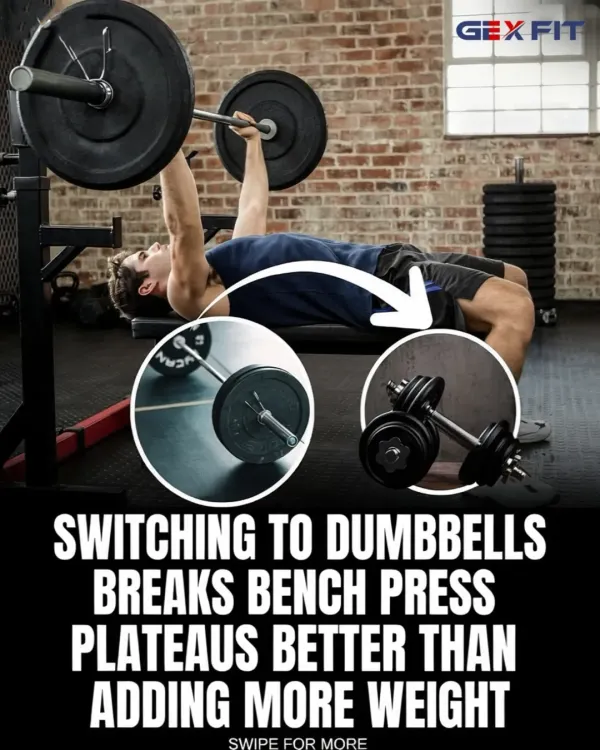 8
8


The Science of Smart Training
Our Expert Team & High-Performance Facilities
More from Injury Rehabilitation & Physiotherapy by Rapid Sport Fitness
More services by Rapid Sport Fitness