Injury Prevention Training in Andheri, Mumbai
We don't just coach, we monitor. See how our biomechanical assessments turn into safe, effective movement patterns on the track.
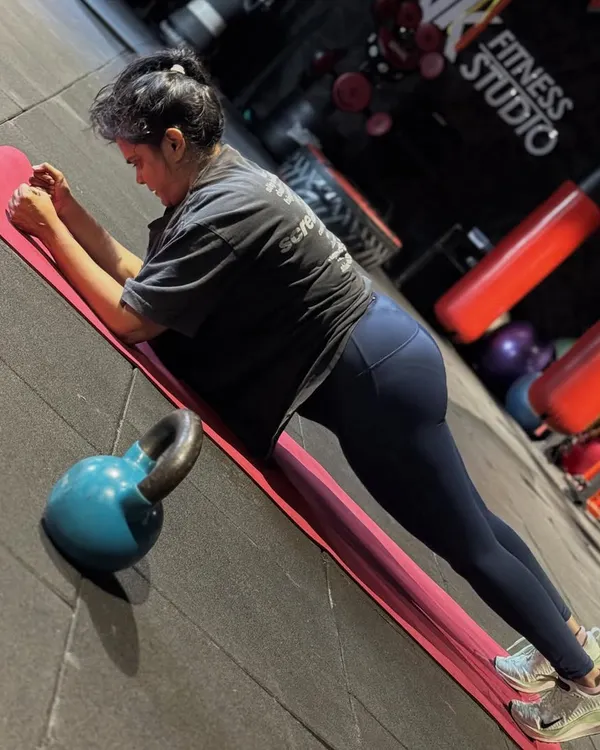
A coach provides individual correction during a group planking session. We emphasize perfect posture to maximize core engagement and protect the spine, a fundamental principle in our injury prevention training for track and field athletes.
A coach supervises an athlete performing a hip thrust on a bench. This exercise is one of the best for strengthening the glutes, which are crucial for power in running, jumping, and changing direction.
The coach observes the athlete at the top of the hip thrust movement, ensuring full gluteal activation. Correct execution of this glute-dominated exercise is key to building a strong posterior chain and preventing injuries.
A group of athletes performs a glute-strengthening exercise while lying on the ground. Strong glutes are essential for stabilizing the pelvis and protecting the lower back and hamstrings from strain during intense activity.
An athlete demonstrates a side lunge, a movement that strengthens the adductors and improves mobility in the frontal plane. This exercise is vital for athletes who need to make lateral movements and change direction quickly.
An athlete uses a blue theraband for an upper body strengthening exercise. Resistance bands are a versatile tool we use to build strength in the shoulders and back, which is important for maintaining proper running form.
This image shows the external rotation phase of a theraband exercise. This movement specifically targets the rotator cuff muscles, helping to prevent common shoulder injuries in athletes.
An athlete performs a resistance band walk on a rooftop, demonstrating dedication to her training program. This exercise strengthens the hip abductors, which is critical for knee stability and preventing running-related injuries.
This graphic represents the outcome of our work: a customized, injury-free workout plan. By tailoring routines to individual needs, we help athletes from all sports, including running, football, and basketball, reduce their risk of injury.
About Injury Prevention Training in Action
Most athletes skip the prep work and jump straight into high-intensity drills, which is the fastest way to get sidelined. Here, we actually test your joint mobility and glute strength before you touch a track. If your assessment shows a pelvic tilt or limited ankle range, that is where we start—not by running laps, but by fixing the underlying movement imbalance.
At DSSA, we look at the body as a machine that needs regular maintenance. An injury is rarely bad luck; it is usually the result of long-term neglect. Tight muscles, weak glutes, or poor ankle mobility force your body to compensate in ways that inevitably lead to tears and sprains.
Our injury prevention process in Andheri is rooted in science, not guesswork. We start with a comprehensive clinical and field assessment. This is not just checking your weight; we analyze your movement patterns, conduct VO2max testing, and perform musculoskeletal screening to catch imbalances like pelvic tilts or rotator cuff weakness.
Once we have your profile, our physios (Dr. Sameer Mangwani and Dr. Raina Quinny) and coaches huddle to create your plan. You will not find generic cookie-cutter programs here. If your data shows a lack of core stability, your training will prioritize specific corrective exercises to fix it before we ramp up your track speed.
Whether you are training for a football match at St. Dominic Savio or preparing for a track event, our goal is to build resilience. We teach you how to properly engage your posterior chain, improve your posture during sprints, and manage your training load so you never hit a wall due to injury.
Similar work from other experts
Browse through Curated picks from other experts on mytribe
Injury Prevention & Recovery
 5
5Physiotherapy-Led Fitness Training in Bengaluru
Strength and Conditioning for Peak Athletic Performance
 7
7
Running Strength, Form, and Injury Prevention
Core, Mobility & Flexibility Training in Vile Parle
 38
38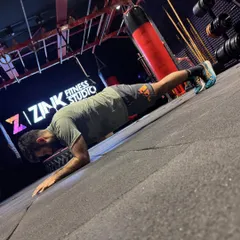
Functional & Mobility Training in Gurugram
More from Sports Physiotherapy by DSSA
More services by DSSA