Decoding Your Blood Reports: From Lab Results to Health
Stop guessing what your blood test results actually mean. Let's look at your HOMA-IR, thyroid, and lipid levels to find the root cause of your symptoms, not just a clinical label.
This video introduces my new series on understanding blood parameters. Instead of turning to Google for answers, I'll help you interpret your lab results and explain what you can do with nutrition and lifestyle changes to bring your levels back to normal.
Feeling tired and lethargic? It could be low hemoglobin, or anemia. I explain the optimal ranges for men, women, and kids and discuss how it's not just about iron. Vitamin C and B12 are crucial for absorption and production, which is why a balanced approach is key.
LDL and VLDL are your "bad" cholesterols, and they are warning signs for heart health. I explain how they are made in your body, often due to a diet high in processed carbs, and why exercise and proper sleep are your first line of defense.
Part two of tackling high cholesterol. Here, I share specific nutritional tips to lower your LDL, including eating good fats like avocado and coconut oil, adding flax seeds to your meals, and using garlic for its natural blood-thinning properties.
A special message for men over 40. I discuss two crucial tests, PSA and testosterone, that can help identify risks for prostate issues and muscle degeneration early on. Being proactive about your health is the best prevention.
Testosterone isn't just a male hormone; it's vital for women too. I explain its role in muscle growth, bone density, and energy for both genders, and what symptoms to look for if your levels are too high or too low.
Does your child have white patches on their skin or a poor appetite? It might not be a tantrum; it could be a zinc deficiency. I explain the symptoms and how a simple serum zinc test can confirm it, along with food sources like cashews and pumpkin seeds.
Muscle cramps or irregular heartbeats? Your potassium levels could be off. In this video, I explain the symptoms of both high and low potassium and what foods, like bananas and coconut water, can help you rebalance your levels naturally.
High uric acid is a common issue linked to gout and joint pain. I break down the causes, including processed foods and alcohol, and explain how simple changes like eating more fresh fruits and vegetables can help you manage your levels effectively.
If your cholesterol and triglyceride levels are high, it's about how your body processes food, not just what you eat. I share three simple steps to manage this: start meals with salad, take a walk after eating, and use breathing exercises to lower stress.
About Decoding Your Health: Blood Tests
You've got your lab reports in hand, but Google is giving you panic, not answers. Whether it's high uric acid, low hemoglobin, or fluctuating lipid profiles, I don't just look at the numbers; I look at how they correlate with your lifestyle, stress, and gut health. My process starts with a full bloodwork audit—we check HOMA-IR, thyroid panels, and micronutrients to build a plan that actually changes your metabolic age.
Most people treat blood reports like a report card—pass or fail based on 'normal' ranges. But I look at the difference between 'normal' and 'optimal.' If your hemoglobin is on the lower side of 'normal' but you're constantly exhausted, you're not fine; you're just not yet in the red zone. That is where we start.
How I Read Your Reports
I analyze your data for the full story, not just the highlights. We examine:
- Insulin Resistance (HOMA-IR): The silent driver of PCOS and diabetes.
- Lipid Panels: Looking beyond just LDL and VLDL to understand your metabolism.
- Micronutrients: Identifying hidden deficiencies like Zinc, B12, and Vitamin D that mimic other conditions.
- Thyroid & Hormonal Balance: Checking if your fatigue is a symptom, not a condition.
The Process
We start with a 45-60 minute deep dive. You can join me for an in-person assessment at my Indiranagar studio, where we can perform bio-impedance analysis, or we can jump on a video call.
I don't just tell you what's wrong. We identify patterns—like how your morning coffee or late-night habits might be affecting your uric acid or cholesterol. We look at your previous 24-hour intake, audit your sleep cycles, and identify hidden sugars.
From there, we build a Phase 1 guide—an immediate corrective diet structure to bring relief for symptoms like bloating or acidity, followed by a long-term plan that fits your life. No starving, no fad diets, just science-backed adjustments.
Similar work from other experts
Browse through Curated picks from other experts on mytribe
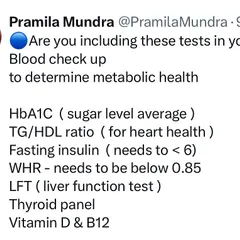
Understand Your Metabolic Health Markers
 12
12
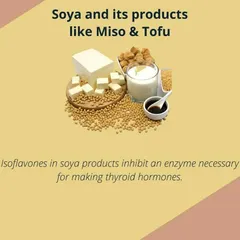
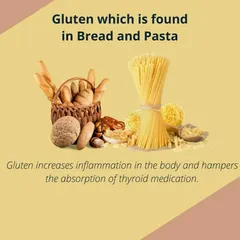
Science-Backed Nutrition Plans for Thyroid Health
 101
101


Understanding Your Body & Health Markers
 7
7
Functional Nutrition & Root Cause Healing
 8
8

Functional Medicine: Reversing Health Issues at the Root
 12
12


Eating for Your Health Goals: Custom Nutrition Plans
More from Clinical Nutrition & Wellness Coaching by Aishwarya Sampath
More services by Aishwarya Sampath