Science-Backed Nutrition Plans for Thyroid Health
Hypothyroidism often makes managing weight and energy feel like an uphill battle. We don't believe in magic pills or restrictive diets that leave you drained. Instead, we use your blood reports to create nutrition plans that support your thyroid function through real, home-cooked food.
Hypothyroidism can cause weight gain and hair loss, but it can be managed with dietary changes. This series explains which foods to avoid for better thyroid health.
Cruciferous vegetables like broccoli and cabbage can block the thyroid's ability to use iodine. I advise consuming them well cooked and in moderation.
Soya products like tofu contain isoflavones, which can inhibit an enzyme needed for making thyroid hormones. It's best to limit these if you have hypothyroidism.
Gluten found in bread and pasta can increase inflammation and hamper the absorption of thyroid medication. I can help you explore gluten free alternatives.
Processed and frozen foods are high in sodium, which can hamper thyroid functioning. My plans focus on fresh, whole foods.
Alcohol can have a toxic effect on the thyroid gland and suppresses the body's ability to use thyroid hormone. Limiting alcohol is a key step in my thyroid management plans.
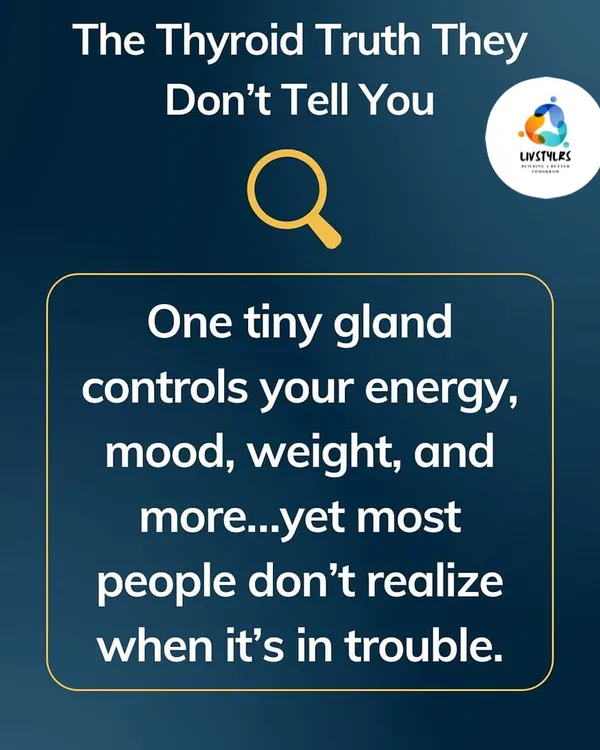
An introduction to the topic of foods to avoid for hypothyroidism, helping you take control of your condition.
A visual reminder about moderating cruciferous vegetables in a diet for hypothyroidism.
This post highlights how gluten can interfere with thyroid health and medication.
Information on how soy products can affect thyroid hormone production.
About Nutrition for Thyroid Health
We don't just give you a generic chart. We start by analyzing your bloodwork—specifically TSH, T3, and T4 levels—to understand exactly how your metabolism is reacting. From there, we adjust your meal timings to ensure your food doesn't interfere with your morning thyroid medication, and we swap out inflammatory ingredients for nutrient-dense local alternatives that fit your daily routine.
Your Thyroid Health Is Not One-Size-Fits-All
When you are dealing with hypothyroidism, the internet is full of conflicting advice. You will read that you should never touch soy, or that you must give up all cruciferous vegetables. While there is science behind these concerns, the reality is more nuanced.
We don't believe in removing entire food groups unless necessary. Instead, we teach you how to prepare ingredients in ways that minimize their impact on your thyroid.
- Cruciferous Vegetables: Broccoli, cabbage, and cauliflower are nutrient-dense. We show you how to cook them properly to reduce goitrogenic activity rather than cutting them out entirely.
- Medication Timing: We structure your meals to ensure optimal absorption of your thyroid medication. Even a small change in when you drink your coffee or eat your breakfast can make a difference in how your body utilizes hormone replacement.
- Inflammation Control: We help you reduce intake of gluten and processed sodium, which often exacerbate inflammation and make thyroid symptoms—like brain fog and water retention—worse.
How We Work
Our approach is based on a 30-day non-binding engagement. We don't want you locked into a year of coaching before you see if our style works for you.
- Review: We analyze your existing blood reports to identify specific deficiencies.
- Customize: You receive a PDF meal plan based on the foods you already eat at home.
- Adapt: We have weekly check-in calls to see how you are feeling, not just how the scale is moving. If you feel tired or sluggish, we adjust the plan.
- Community: You get access to our private group where you can see how others with similar thyroid profiles manage their energy levels.
Your thyroid condition is a metabolic reality, not a lifestyle failure. Let us help you navigate it with science, not trends.
Similar work from other experts
Browse through Curated picks from other experts on mytribe
Targeted Nutrition & Medical Diet Plans
 12
12
Eating for Your Health Goals: Custom Nutrition Plans
 4
4
Balancing Hormones Naturally: Personalized Nutrition Plans
 5
5
Managing Thyroid and PCOD Symptoms with Nutrition in Bengaluru

Hormone Balancing with Real Indian Food
Hormonal Health Support
More from Clinical & Wellness Nutrition by Art of Wellness
More services by Art of Wellness