Understanding Your Body & Health Markers
I believe knowledge is your biggest advantage. Here, I break down what your blood work, hormones, and body signals actually mean so you can take control of your health.
The main reasons behind skin tags are often related to metabolic health. Obesity, insulin resistance, metabolic syndrome, and hormonal imbalances are common underlying factors.
Regular exercise plays a key role in preventing skin tags by improving insulin sensitivity and helping with weight management. A combination of strength training and cardio is the best approach for metabolic health.
In conclusion, while skin tags are harmless, they can signal a metabolic or hormonal imbalance. Addressing your diet, exercise, and weight can reduce the chances of new ones forming. If they are bothersome, a dermatologist can safely remove them.
What are skin tags? They are small, soft, harmless skin growths that are common in areas where skin rubs, like the neck, armpits, and groin. They are often a sign of underlying insulin resistance.
The role of diet in managing skin tags is to improve insulin sensitivity. I advise limiting refined carbs and sugar, adding fiber-rich foods, and including healthy fats and balanced protein to stabilize blood sugar.
To reduce visceral fat, it's important to make lifestyle changes. This includes managing stress, prioritizing 7-8 hours of quality sleep, staying hydrated, and limiting alcohol, all of which can impact cortisol and fat accumulation.
Signs that you may have excess visceral fat include a large waist circumference (over 35 inches for women), difficulty losing belly fat, fatigue, and symptoms of insulin resistance or prediabetes.
How do you reduce visceral fat? The key is a calorie deficit, a high-protein diet to preserve muscle, and fiber-rich foods to support gut health. Limiting sugar and processed foods is also crucial to reduce inflammation.
Visceral fat is dangerous because it releases inflammatory substances that increase the risk of heart disease, type 2 diabetes, stroke, and fatty liver disease. It can also lead to hormonal imbalances.
What is visceral fat? It's the harmful fat stored deep inside your abdomen, surrounding your organs. Unlike the fat under your skin, it isn't visible, but it is far more dangerous to your health.
About Understanding Your Body & Health Markers
Most people look at a blood report and see only high or low numbers, but those results are just a story about your metabolism. Whether you are dealing with thyroid issues or stubborn visceral fat, understanding these markers helps you stop guessing and start making choices that actually change your physiology.
Decoding Your Blood Reports
When I work with a new mentee, the first thing we do is move beyond guesswork. Your blood reports are not just a list of numbers; they are a blueprint for your metabolic health.
The Thyroid Connection
Many women struggle with unexplained weight gain and fatigue, often tied to thyroid function. I explain the relationship between TSH, T3, and T4 simply: think of TSH as the coach and T3/T4 as the legs. If the coach is shouting too hard (high TSH) but the legs aren't moving (low T3/T4), your metabolism slows down.
Visceral Fat & Insulin Resistance
- Visceral Fat: This is the fat stored deep inside your abdomen surrounding your organs. Unlike the fat you can pinch, this is metabolically active and dangerous. It releases inflammatory substances that increase the risk of heart disease and type 2 diabetes.
- Insulin Resistance: If you notice skin tags in areas like your neck or armpits, this can be a physical marker of insulin resistance. It is often a sign that your body is struggling to manage blood sugar levels efficiently.
Why This Matters
My goal is to teach you how to interpret these signals. You don't need a medical degree to understand that high waist circumference or specific hormone imbalances require a shift in nutrition and activity. When you know what these markers indicate, you can have informed conversations with your doctor and make better decisions about your daily routine. We don't rely on hacks or fads. We rely on the biology of your own body to create a sustainable roadmap.
Similar work from other experts
Browse through Curated picks from other experts on mytribe
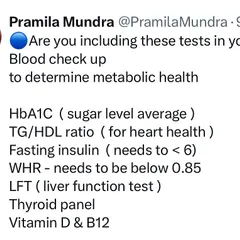
Understand Your Metabolic Health Markers
Decoding Your Blood Reports: From Lab Results to Health
Health & Nutrition: Decoding Common Myths
 17
17

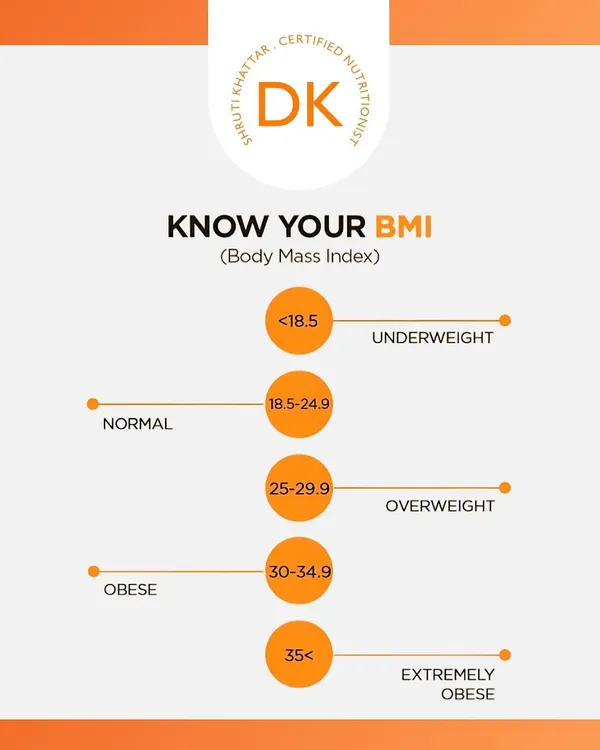
Understanding Your BMI and Nutrition Fundamentals
 14
14


Clinical Nutrition and Health Awareness
The Science of Your Body: Understanding Weight Loss
More from PCOD/PCOS Management Program by Aksshaye S Shetty
More services by Aksshaye S Shetty