Essential Prenatal Yoga Poses for Labor Preparation
These movements are more than just stretches. From the deep squat (Malasana) to targeted pelvic opening, these practices prepare your body and mind for the real work of labor.
The Malasana, or deep squat, is a key pose for birth preparation. Here, I'm demonstrating a supported version with my partner, which is great for the third trimester.
This diagram shows why squatting is so effective. It can increase the size of your pelvic outlet by 1 to 2 centimeters compared to lying on your back.
Practicing Malasana without support helps build strength and flexibility in the hips and pelvis throughout your pregnancy.
Using a yoga strap looped around a stable object is a great way to practice dynamic Malasana, allowing you to move in and out of the squat with support.
Why do prenatal yoga? It's about so much more than just physical preparation. It's a chance to connect with your body and baby, to learn how to relax, and to build mental strength for labor and postpartum.
Your body is a messenger. It speaks to you through feeling and intuition. This video, inspired by my readings, is a reminder to listen to your body and trust its wisdom.
This was part of my last practice before my labor started. It focuses on dynamic movements around the pelvis to help the baby descend, and hip openers like Baddha Konasana to encourage dilation.
About Essential Techniques & Poses
In the third trimester, regular squats can feel tough with a growing bump, but you do not have to do them unsupported. Using a strap or a chair helps you maintain the posture safely, and even a slight shift in your hips during these deep squats can increase your pelvic outlet by 1 to 2 centimeters. It is about working with gravity, not fighting against it, to make more room for your baby to descend.
Moving with Your Body
Pregnancy is not about holding perfectly still in a pose. It is about movement that helps you stay comfortable and prepares your body for the physical intensity of birth. In my classes, we focus on dynamic movements—like rocking the pelvis or using a yoga strap for support—that encourage the baby to descend comfortably.
Why These Poses Matter
- Malasana (Deep Squat): This is one of the most effective positions to open the pelvis. By keeping the tailbone away from the opening, you create more space for the baby. If you struggle with balance, we use props like chairs or walls to make it accessible.
- Baddha Konasana (Butterfly Pose): This gentle hip opener helps relax the pelvic floor and encourages dilation. It is a go-to for those moments when you need to focus on your breath and find a rhythm.
- Dynamic Pelvic Movement: Instead of static stretching, we move. Gentle hip circles and swaying help you stay connected to your body's intuition, which is your best guide during labor.
Making It Work for You
You do not need to be 'fit' or flexible to start these. I often see women arrive in their second or third trimester feeling stiff or worried about their back pain. We modify every single pose. If your knees hurt, we find a variation. If your back feels tight, we use pillows. We are not aiming for the perfect picture—we are aiming for a birth where you feel strong, capable, and informed. Whether you are prepping for a natural birth or just want to feel more comfortable in your changing body, these tools will be your companions.
Similar work from other experts
Browse through Curated picks from other experts on mytribe
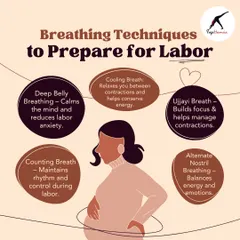
Labor Preparation & Breathing Techniques
 12
12
Prenatal Yoga for a Stronger Pregnancy & Smoother Birth
 8
8
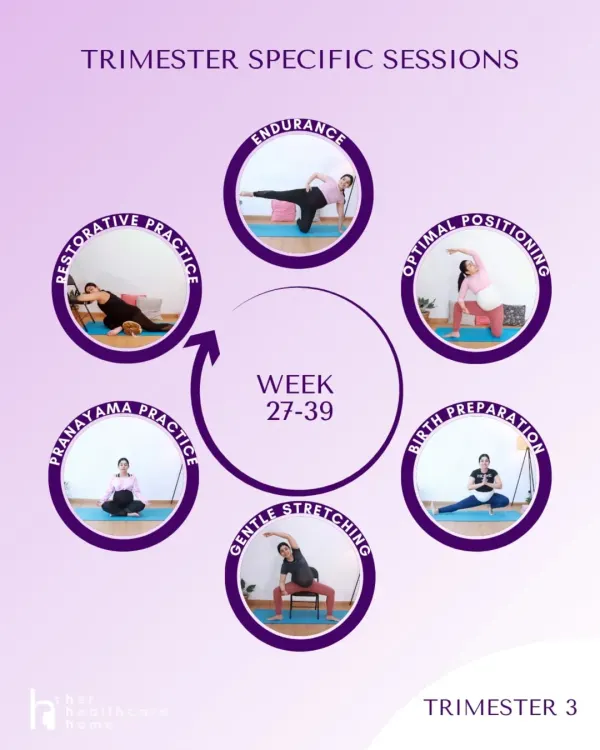
Prenatal Yoga and Labor Prep Sessions
Prenatal Yoga Classes in Yeshwanthpur
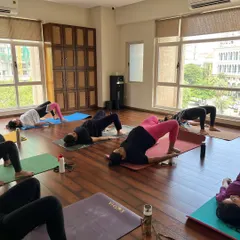
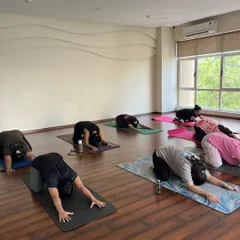
Gentle Prenatal Yoga Classes in Powai for a Balanced Pregnancy
 10
10

Prenatal Yoga Classes in Bangalore for a Healthy Pregnancy
More from Prenatal Yoga & Birth Preparation by Aparna Ajayan
More services by Aparna Ajayan