Labor Preparation & Breathing Techniques
I help you navigate labor with confidence using gentle movement and controlled breathwork, drawing from my own journey of teaching prenatal yoga right up until my 36th week.
Using a gym ball is a fantastic way to prepare for labor from 36 weeks onward. This video demonstrates exercises like perineal stretches and hip circles that help relieve pelvic pain, open the pelvis, and encourage the baby into an optimal birthing position.
Your breath is your most powerful tool during labor. This infographic introduces five key breathing techniques, including Deep Belly Breathing to calm anxiety and Ujjayi Breath to manage contractions, helping you stay in control.
Knowing how to breathe through a contraction can transform your labor experience. In this short tutorial, I demonstrate a simple yet effective technique: inhale deeply through the nose and exhale slowly through the mouth to stay centered and manage pain.
Being prepared means asking the right questions. This checklist covers what to ask your gynecologist in the third trimester about your baby's health, your body, labor and delivery options, and lifestyle adjustments.
The first trimester is a time of big changes and many questions. This video provides a checklist of important topics to discuss with your gynecologist, from managing morning sickness to understanding which activities are safe.
About Labor Preparation & Breathing Techniques
Most people focus only on the physical, but true labor preparation starts with your breath. I use gym ball exercises to help open the pelvis and encourage optimal baby positioning, combined with specific pranayama like Ujjayi breathing to manage the intensity of contractions. This is about building the muscle memory and stamina you need for birth, not just learning a routine.
Why Movement Matters for Labor
Labor isn't just a waiting game. By the third trimester, my sessions focus on specific movements—like hip circles and supported squats on a birthing ball—that physically create space in the pelvis. When you prepare your body, you aren't just staying active; you're actively working to help your baby move into the optimal position for a smoother delivery.
Breathwork as Your Anchor
Anxiety is the biggest enemy of labor progress. That’s why we practice pranayama (breath control). Techniques like Deep Belly Breathing and Ujjayi breath serve as your focus points when contractions begin. I teach you how to treat each breath as a tool to conserve energy and manage pain, rather than letting panic take over.
What We Cover in Sessions
- Pelvic Floor Health: Strengthening the muscles that support you during labor.
- Optimal Fetal Positioning: Exercises to nudge your baby into the best spot for birth.
- Labor Rehearsal: We practice movement flows that mimic the physical demand of active labor.
It’s not just about textbook poses. It’s about building the stamina you need when you're in the thick of it. Whether you are a total beginner or an experienced practitioner, I modify every flow to match your current week of pregnancy.
Similar work from other experts
Browse through Curated picks from other experts on mytribe
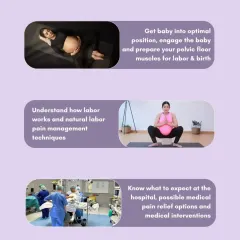
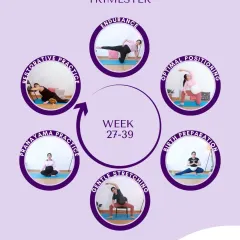
Prepare for Labor & Birth With Confidence
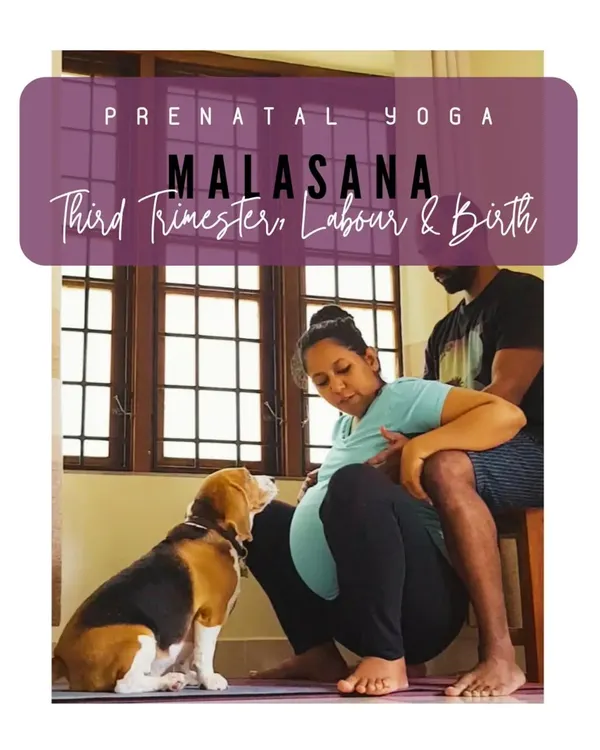 7
7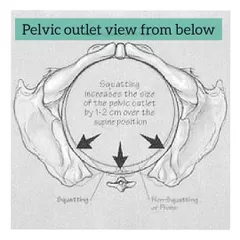
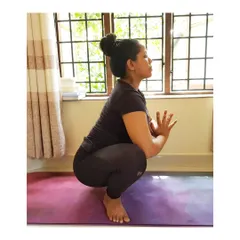
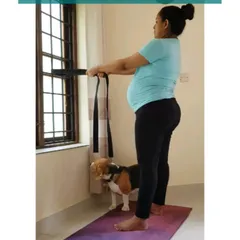
Essential Prenatal Yoga Poses for Labor Preparation
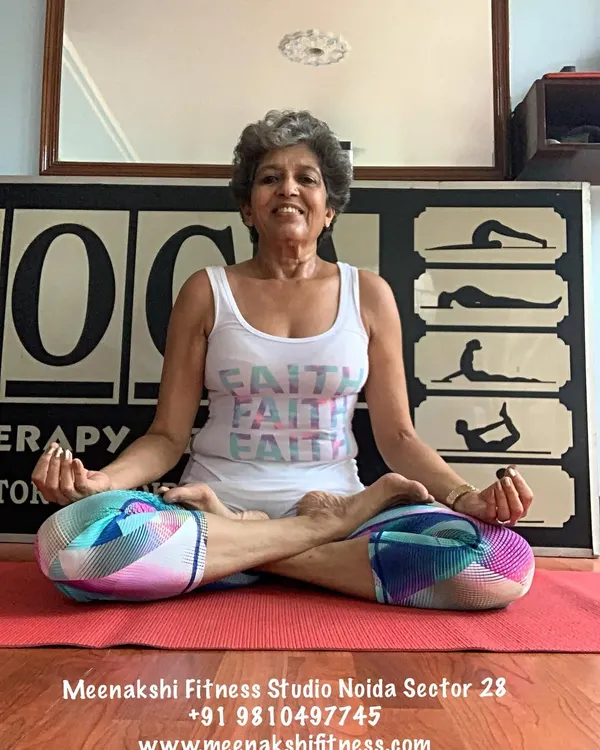 8
8
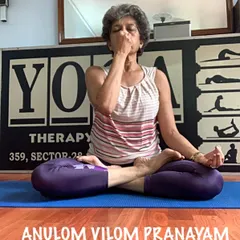
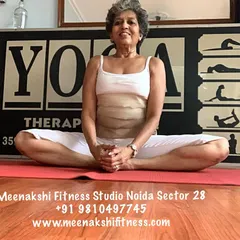
Prenatal Yoga and Labor Prep Sessions
Practical Labor Techniques and Birth Preparation
Prenatal Yoga Classes in Yeshwanthpur
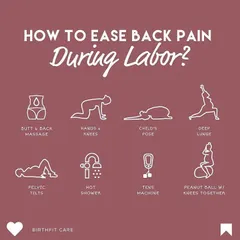
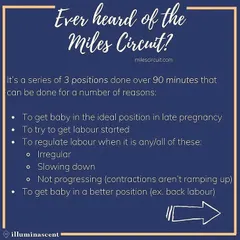
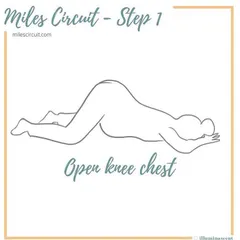
Labor Positions & Comfort Measures for a Confident Birth
More from Prenatal Yoga & Wellness Program by Hamsikha