Mastering Asana & Pranayama: Classical Hatha Yoga
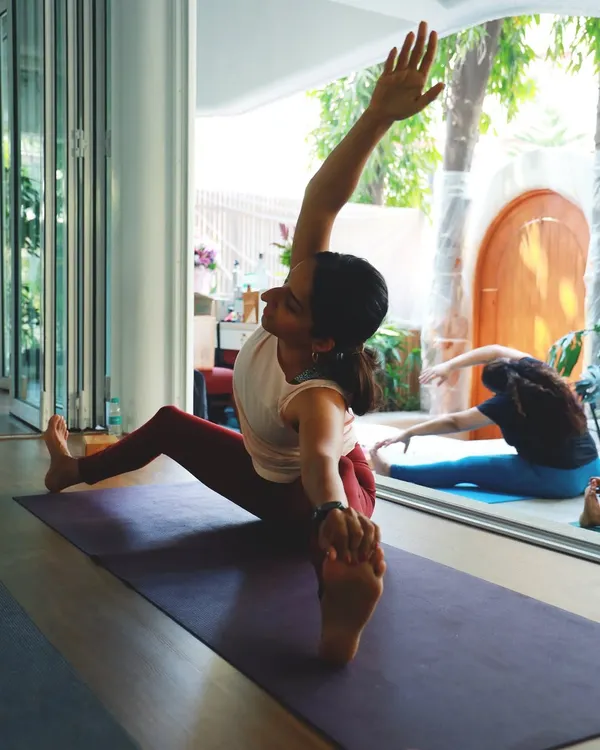
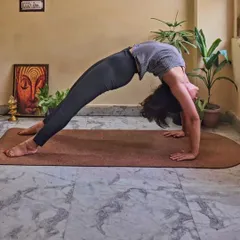
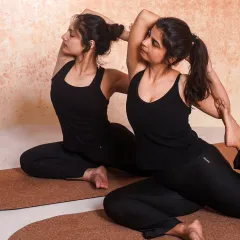
Yoga is not just about the shapes you make with your body. It is about how those shapes connect to your breath. I teach the balance of physical strength through Asana and mental stillness through Pranayama to help you find your daily sukoon (peace).
Here, I demonstrate a simple but profound breathing exercise. By focusing on the rhythm of inhaling and exhaling, we calm the nervous system. I teach this technique in all my classes as a tool for children to manage stress and improve focus.
About Core Elements: Asana & Pranayama
When we practice asana, we are not just stretching; we are preparing the body to hold stillness. Integrating deliberate pranayama techniques is how we shift the nervous system from a state of constant reaction to one of conscious regulation. In my Hatha classes, we prioritize the precision of movement over intensity, ensuring you leave the mat feeling centered and clear-headed, not drained.
In the rush of daily life, we often treat yoga as just another workout. But in the tradition of Classical Hatha, asana and pranayama are two halves of a whole.
Why the focus on Asana and Pranayama?
My sessions in Electronic City go beyond physical exercise. Asana is our tool for building a body that is strong, stable, and pain-free—essential for those of us spending hours at a desk. We focus on 'Ahista, Ahista' (slow and steady) progressions to ensure alignment and safety, especially if you are new to practice or managing injuries.
Once the body is prepared, we introduce pranayama. This is not just about breathing exercises; it is about learning to control the flow of prana (life force) to soothe the mind. Whether you are dealing with 'tech neck,' anxiety, or simply need a way to recharge, these practices offer a way to regulate your nervous system.
My Methodology
I do not chase the perfect pose. We chase the feeling of stability. My teaching includes:
- Postural Alignment: Correcting imbalances from modern sedentary habits.
- Breath Awareness: Using specific breathing patterns to manage stress during and after class.
- Consistency over Intensity: Building a daily sadhana (dedicated practice) that sticks.
You will find that when you master the basics of your breath, the physical postures become more accessible and, more importantly, more sustainable. Let us explore this path together.
Similar work from other experts
Browse through Curated picks from other experts on mytribe
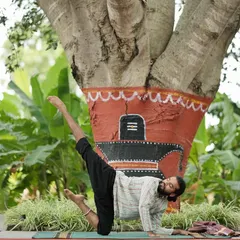
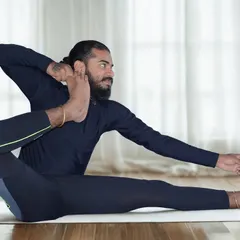
The Art of Yoga: Asana & Pranayama
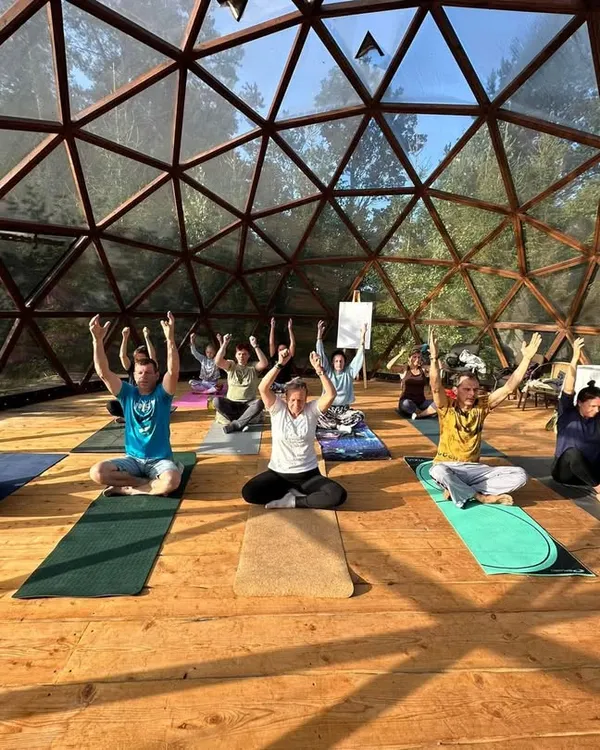 9
9
Traditional Hatha Yoga and Asana Practice
Master Vinyasa and Hatha Yoga Fundamentals
 28
28
Traditional Hatha Yoga Classes
The Path of Yoga: Asana and Movement
Foundational Hatha and Ashtanga Yoga Training
More from Kids Yoga by Mandeep Kaur
More services by Mandeep Kaur