The Science of Breath: Pranayama Explained
Breath is not just air—it is a primary physiological tool. I break down the ancient science of Pranayama into practical techniques to stabilize your nervous system and enhance mental clarity.
Are you breathing correctly? This video covers common mistakes like shallow breathing and reverse abdominal breathing, and explains how to fix them for better health and relaxation.
This educational video explains how Pranayama influences Heart Rate Variability (HRV), a key indicator of your body's resilience to stress. Consistent practice can lead to a healthier, more balanced autonomic nervous system.
Trataka, or focused gazing, is a powerful yogic practice for calming the mind. As this graphic shows, it leads to physiological changes like slower breathing and deep relaxation.
Our Prāṇa Sañjīvini program in action, empowering senior citizens with Pranayama. These chair-based breathing exercises are designed to enhance vitality and promote graceful aging.
Our Prāṇa Sañjīvini program in action, empowering senior citizens with Pranayama. These chair-based breathing exercises are designed to enhance vitality and promote graceful aging.
About The Science of Breath: Pranayama Explained
Most of us breathe incorrectly without realizing it, often defaulting to shallow, chest-based breaths that elevate stress levels. During our sessions, we focus on the mechanics of the abdomen during inhalation and exhalation, restoring the natural rhythm your body needs to reset its autonomic nervous system. This is a systematic process, not an abstract concept, and learning it correctly requires guidance to avoid ingrained postural mistakes.
Breathing is the most accessible physiological control knob we have. When you attend a session, we strip away the mysticism and look at the nervous system response to slow, deliberate breathing.
We often measure our progress by looking at Heart Rate Variability (HRV). Faster, erratic breathing signals the sympathetic nervous system to stay in 'fight or flight' mode. By mastering techniques like abdominal breathing and exhalation-focused pranayama, we shift your physiology toward the parasympathetic state, which is where rest and recovery actually happen.
Whether it is correcting the 'reverse abdominal breathing' that many adults suffer from, or utilizing Trataka (focused gazing) to sharpen concentration, the tools are practical. These are not esoteric exercises; they are corrective measures for modern lifestyle issues.
Reading about these techniques is one thing, but execution is different. As an instructor, I look for the subtle deviations in your posture or rhythm that you cannot see yourself. We offer workshops and recurring sessions that go beyond simple demonstration, providing you with a framework you can apply at your desk or home to manage energy and focus throughout the day.
Similar work from other experts
Browse through Curated picks from other experts on mytribe
The Science of Breath: Pranayama Techniques
 9
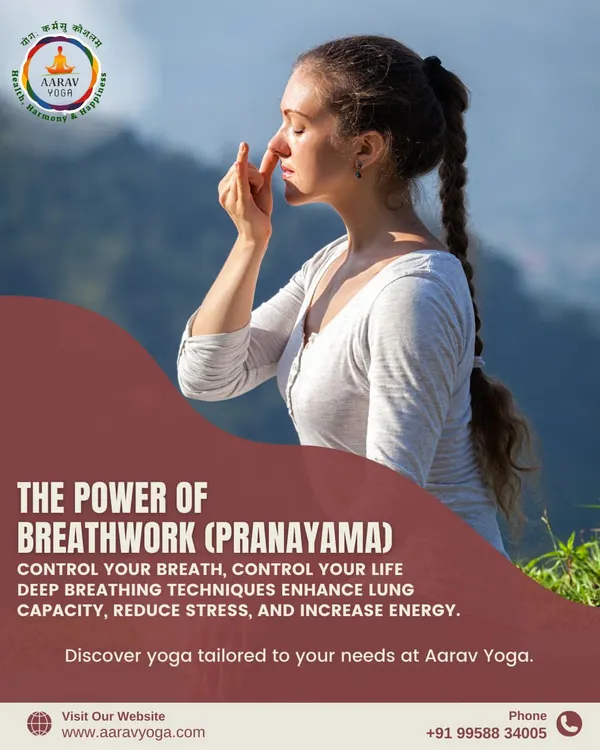
9Master Your Breath, Master Your Mind with Pranayama
The Power of Breath: Guided Pranayama
Breath, Mind & Relaxation: Therapeutic Yoga in Bengaluru
Mastering Pranayama: Traditional Breathwork at Aikia Yogashala
The Science of Yoga & Breath
More from Corporate Yoga & Wellness by Yogavijnana
More services by Yogavijnana