The Science of Yoga & Breath
I demystify ancient breathing techniques by explaining the science behind how they regulate your nervous system, balance your hormones, and sharpen your focus.
A demonstration of two powerful breathing techniques, Bhramari (Bee Breath) and Kapalabhati (Skull Shining Breath), and an explanation of how they help balance hormones.
In this video, I explain how a simple 10-minute breathing practice can directly impact your endocrine system to help regulate hormones naturally.
Here, I explain the science behind Anulom Vilom (alternate nostril breathing), detailing how it balances the brain's hemispheres and regulates the nervous system.
A short, calming video on the power of breath, illustrating how mindful breathing is the key to being present and awake in our lives.
A quick guide to two cooling pranayama techniques, Sheetkari and Chandra Bhedi, which are excellent for reducing body heat and acidity.
An introduction to the concept of Pancha Tattva, the five elements (Earth, Water, Fire, Air, Space) and their relationship to the human body.
In this video, I introduce four powerful breathing techniques that are highly effective for managing anxiety and calming the mind.
About The Science of Yoga & Breath
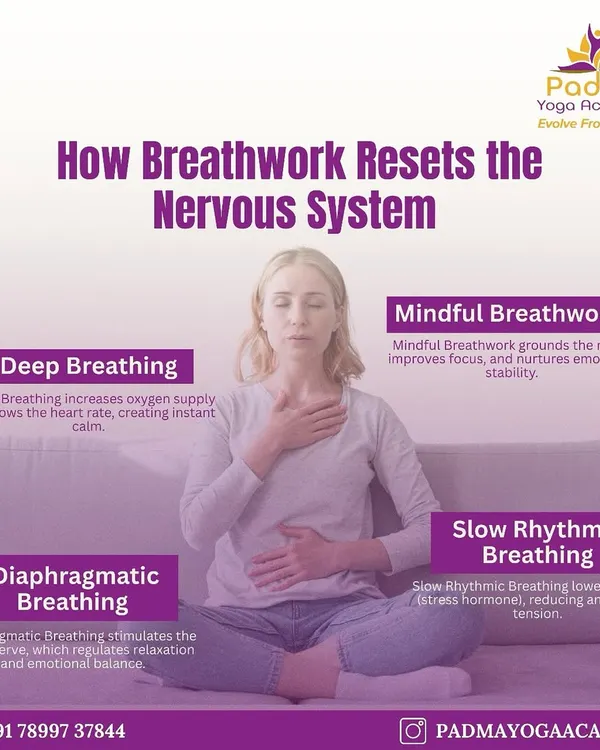
Ever wonder why a few minutes of specific breathing can change your entire afternoon? It is not magic—it is about bridging the gap between your nervous system and your daily reality. I teach techniques like Anulom Vilom to stimulate specific brain pathways, helping you shift from a high-stress 'fight or flight' response to a calm 'rest and digest' state right at your office desk.
My approach to yoga is rooted in physiology. When we sit in a cubicle for hours, our body enters a state of chronic low-level stress, which can lead to fatigue, anxiety, and hormonal imbalances. This is where Pranayama (breathwork) becomes a functional tool.
The Science of Your Breath
- Anulom Vilom: By consciously alternating the breath through each nostril, we balance the left and right hemispheres of the brain. This practice activates the parasympathetic nervous system, which is crucial for managing stress and maintaining internal stability.
- Bhramari (Bee Breath): The humming sound created during this practice stimulates the vagus nerve. This is a direct physical intervention that helps lower cortisol levels and stabilizes the endocrine system.
- Kapalabhati: Through forceful exhalations, we increase oxygen flow and stimulate abdominal muscles, which naturally boosts energy levels and clears mental fog without the need for caffeine.
Why This Matters for Your Team
I bring this evidence-based approach directly to the workplace. Whether I am leading an office session in Bengaluru or conducting a workshop, the focus remains on equipping you with tools you can use immediately. You do not need to be flexible or have a gym kit; you just need to understand how to move and breathe to reclaim your energy. My goal is to make these ancient practices as practical and effective as modern medicine, helping you feel better, think clearer, and find a sense of balance even in the busiest workdays.
Similar work from other experts
Browse through Curated picks from other experts on mytribe
 8
8
The Art of Breath: Pranayama for Healing
 25
25
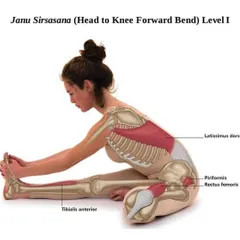
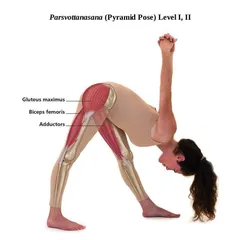
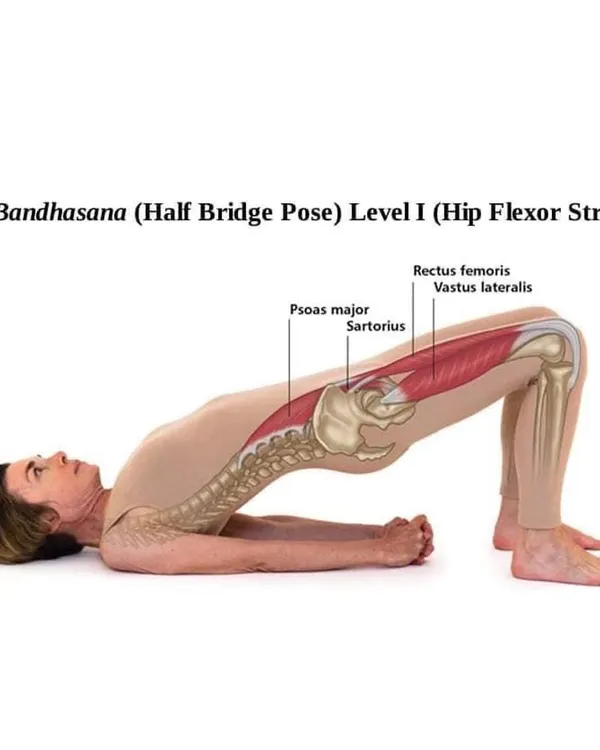
The Science and Anatomy of Yoga
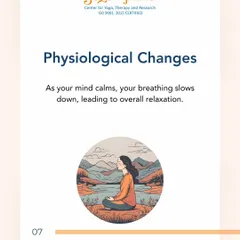

The Science of Breath: Pranayama Explained


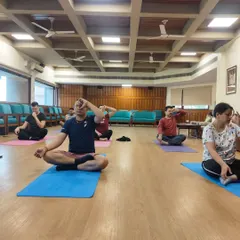
The Science of Yoga & Breath: Modern Pranayama Techniques
The Science of Breath: Pranayama Techniques
Mastering the Science of Breath and Meditation
More from Corporate Yoga Programs by Sreya Bhar
More services by Sreya Bhar