From Earth to Form: The Craft of Material and Construction
Architecture is not just construction; it is a conversation between ancestral craft and modern form. Explore how we interpret material, scale, and texture to build narratives.
An artisan applies red oxide flooring by hand at the TAPMI Centre. This was a personal exploration for us, working closely with local craftspeople to revive this traditional technique at a large scale.
A rendering showing the final vision for the red oxide floor at the TAPMI Centre's amphitheater, creating a warm, earthy base for the bamboo parasols.
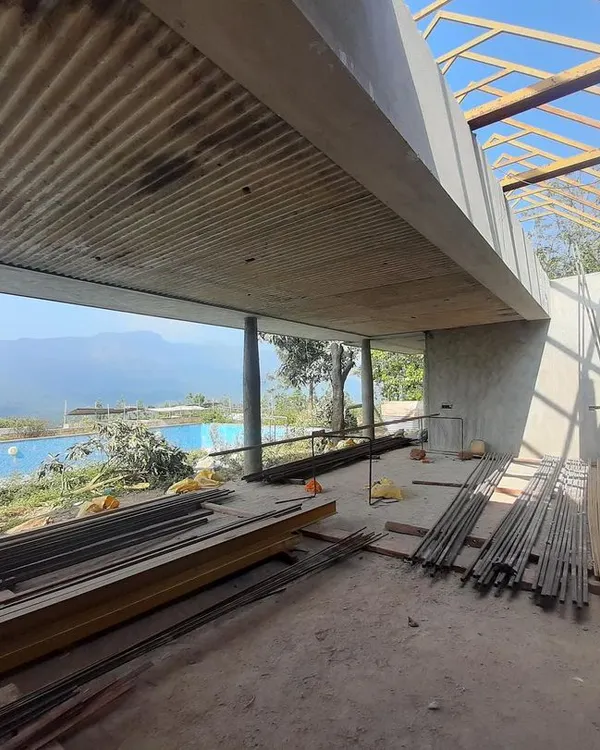
The TAPMI Centre under construction, showing the concrete shell of the stepped amphitheater before the installation of the parasols. This view reveals the project's complex levels and inward-looking design.
The steel superstructure for the bamboo parasols being erected at the TAPMI Centre. This image shows the engineered skeleton that supports the organic, crafted skin.
A progressive image from the TAPMI Centre site, with the bamboo cladding being installed on the first parasol. This was a moment where the architectural vision began to take its final form.
A digital render created during the design phase of the TAPMI Centre, which we used to visualize the interplay of light, shadow, and material in the communal terrace space.
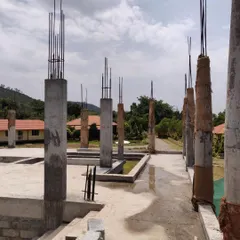
An aerial view of the TAPMI Centre's concrete structure during construction, highlighting the building's footprint and its relationship to the surrounding green campus.
This render was crucial in communicating the intended atmosphere of the TAPMI terrace, a space for both active gathering and quiet contemplation.
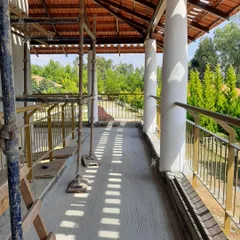
A view of the nearly completed bamboo parasols at the TAPMI Centre, showing the intricate craftsmanship of the cladding.
The parasols at the TAPMI Centre during construction, showing the contrast between the raw steel structure and the warm, natural bamboo skin.
About From Earth to Form: The Craft of Material & Construction
At the TAPMI Centre, the red oxide flooring was not merely a finish; it was a personal exploration of revival. By working directly with local artisans, we moved the process from conceptual digital renders to hand-applied, large-scale reality. This physical engagement with the material is the cornerstone of our practice, ensuring that every surface connects you to the earth and the skill behind it.
We view materials as silent collaborators. When we design, we ask how stone, brick, and bamboo can do more than hold a building up—we ask how they can breathe. Our process is non-linear, often operating at the intersection of technical limitation and traditional knowledge.
Take our work with bamboo parasols. It required bridging the gap between raw, organic material and precise steel engineering. This was not about imposing a shape; it was about shaping the space around the human experience. We study the grain, the weather-resistance, and the aging process of every element we use.
We don't just specify materials; we seek the hands that know them. Whether it is red oxide, rammed earth, or lime plaster, our projects rely on a dialogue with local craftspeople.
In projects like the TAPMI Centre in Manipal, this meant creating communal hubs that feel as natural as the trees surrounding them. The inward-looking volumes and stepped terraces are designed to be active, living spaces rather than static monuments. We believe architecture is a slow, thoughtful act of weaving culture into the built environment.
Similar work from other experts
Browse through Curated picks from other experts on mytribe
Materials & Craftsmanship in Ecological Architecture
 4
4
The Art of Building by Hand: Traditional Craft in Modern Design
The Craft of Construction: From Foundation to Finish
 10
10
The Craft of Design: Sustainable Materials and Process
 38
38
From Sketch to Structure: Our Construction Process
 18
18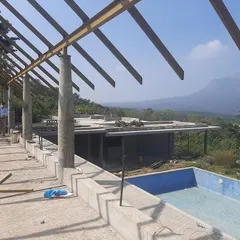
From Sketch to Structure: Our Architectural Design Process
More from Landscape Architecture by The Purple Ink Studio
More services by The Purple Ink Studio