Materials & Craftsmanship in Ecological Architecture
We believe architecture is a dialogue between land and people. This collection explores how we transform raw, local materials into spaces that carry deep meaning, texture, and history.
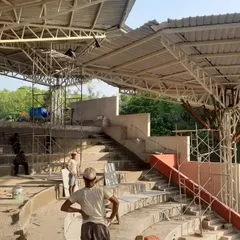
The "caterpillar" roof of the Gamaya clubhouse takes shape. This video shows the construction of the ferrocement shell, a technique that allows for strong, lightweight, and expressive forms while using minimal material.
Art is not an afterthought; it is part of the architecture itself. This terracotta mural depicting the Dandi March is integrated into the brick wall of a courtyard, turning a structural element into a powerful storytelling canvas.
A large terracotta jali wall with an intricate leaf pattern at the entrance of the ASA office. This functional screen provides ventilation and privacy while serving as a beautiful piece of architectural art.
A framed terracotta tile mural depicting lotus flowers, hung against a textured brick wall. This piece highlights how we collaborate with artists to create custom works that complement the building's material palette.
A decorative panel featuring a traditional motif, made with inlaid pebbles and colored plaster. This detail, placed next to a brightly painted door, shows our love for combining different textures, crafts, and colors.
A relief mural sculpted directly onto an earth-block wall. The fluid, organic forms of the artwork contrast with the geometric lines of the windows, adding a dynamic and artistic layer to the building's facade.
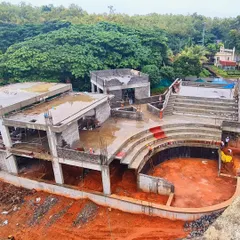
A montage showing the Gamaya project in Vikarabad through different seasons and stages of construction. It highlights the use of inverted brick arches and the building's response to the changing landscape.
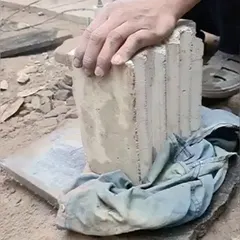
The process of building with reclaimed stone for the foundation of an MP homestay. We believe in finding value in what is already there, whether it's old materials or the earth under our feet.
A wide shot of the construction site for a homestay, with community members working together. This image captures the scale of the collaborative effort involved in our community-based projects.
About The Art of Building: Materials & Craftsmanship
Our approach to detail is not about adding decoration; it is about making structural elements the art itself. When we design a terracotta jali or an inverted brick arch, it serves a dual purpose: providing necessary thermal comfort or natural ventilation while casting intricate, shifting shadows that define the building's character. We believe that when a wall is built with intention, it ceases to be just a divider and becomes a story.
Architecture, for us, begins with the soil and the materials we find on site. Whether we are utilizing mud blocks, stone, or reclaimed elements from a local 'kabadi ki dukaan' (scrap shop), our process is rooted in circularity. We view every project as an opportunity to divert 'perceived waste'—turning old windows into new entryways or leftover stone into textured foundations.
Our craftsmanship is participatory. We don't believe in solitary design; instead, we work closely with local masons, artists, and community members to translate our drawings into tangible structures. This shows in projects like the Gamaya clubhouse, where we experimented with ferrocement shells to create lightweight, expressive forms that traditional construction might overlook.
We avoid the sterile approach of modern construction in favor of vernacular techniques that adapt to the Indian climate. By using materials like adobe, cob, and compressed stabilized earth blocks (CSEB), we create buildings that are not only sustainable but also thermally responsive. Our work with muralists and craftspeople ensures that art is integrated into the architecture itself—relief murals sculpted onto earth walls or terracotta tiles embedded into brickwork. Every project is an exercise in listening to the land and the people who will eventually inhabit the space.
Similar work from other experts
Browse through Curated picks from other experts on mytribe
The Craft of Construction: From Foundation to Finish
 4
4
The Art of Building by Hand: Traditional Craft in Modern Design
 24
24
From Earth to Form: The Craft of Material and Construction
 28
28
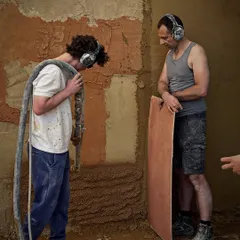
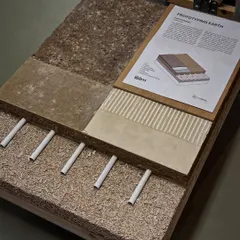
Architecture Defined by Earth, Wood, and Stone
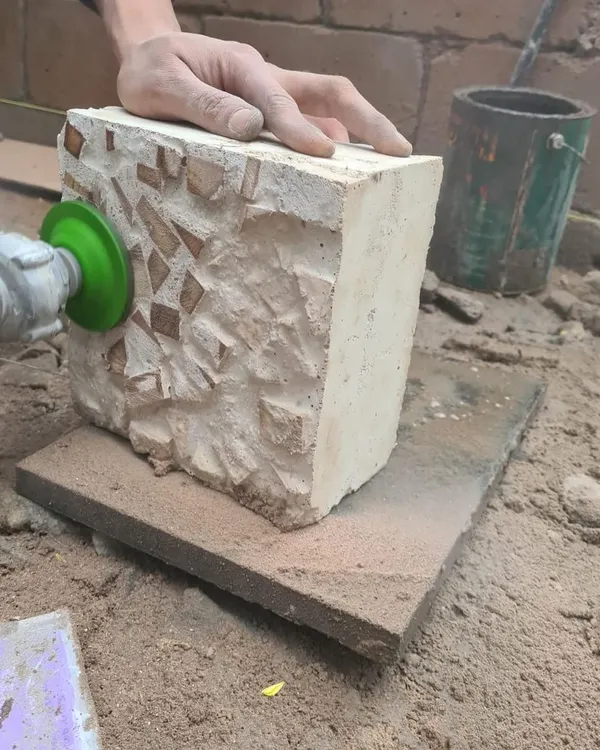 14
14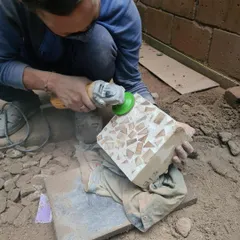
The Art of Materiality
The Soul of Making: Our Architectural Process
More from Community-Led Design & Development by Biome Environmental Solutions
More services by Biome Environmental Solutions