Pottery as Riyaaz: The Philosophy of Our Studio
Pottery is not just about the final object, but the practice of repetition. Discover the 'Riyaaz' that drives our work, our sustainable approach to clay, and how we built a community space for makers in Mumbai.
In this talk, I discuss how potters must adapt to new technology, like 3D printing, to remain sustainable. While technology is a tool to be used, the skill of the hand will always have its own unique value and scope.
I enjoy exploring all kinds of firing, from wood and pit firing to Raku and saggar. In this clip, I talk about the importance of experimentation versus mastery, and how a potter's lifetime isn't enough to learn it all.
When we needed a new type of kiln, we decided to build it ourselves. I share the story of how we designed our Gwari Baux kiln to be more wood-efficient and accommodate work from many artists at once.
This studio was born out of necessity. When I started, there were no materials or equipment available, so I started making them myself. This clip explains how that journey led to building a space to make pottery accessible for others.
About Our Philosophy: The 'Riyaaz' of Pottery
When I started, nothing was available—no quality clay, no proper tools. So, I began making them myself. This studio was born from that necessity. When you train here, you aren't just learning to throw a pot; you are learning the entire ecosystem of the craft, from how to fire a Gwari Baux kiln to understanding the chemistry of clay.
Pottery is a long, sustainable craft, but in the current landscape, students often lack access to the foundational knowledge that makes a potter truly independent. My philosophy of 'Riyaaz'—a term borrowed from classical music—is simple: you practice until your hands and the clay start talking to each other. It is not about shortcuts or quick projects; it is about building muscle memory and understanding the material behavior.
Why We Build Our Own Tools
This space is the result of years of solving problems. Because I couldn't find reliable kilns or wheels in the early days, I learned to design and build them. This means our students don't just learn from a textbook; they learn on equipment that has been engineered to work efficiently in Indian conditions. We use Gwari Baux kilns because they are wood-efficient and allow multiple artists to fire work simultaneously, fostering a culture of shared growth rather than competition.
Sustainability and the Future
I often talk about the transition from traditional manual work to digital technology. My take is that true sustainability comes from mastery. Whether you are using a 3D printer or a traditional kick wheel, you must train your brain to work more. Our studio in Byculla is a place where we discuss these techniques openly. Whether you are a beginner looking for a single-day workshop or a serious potter joining our four-month residency, the goal remains the same: finding your own identity in the work. The pot speaks for itself, and our job is to provide the space, the clay, and the heat to let that happen.
Similar work from other experts
Browse through Curated picks from other experts on mytribe
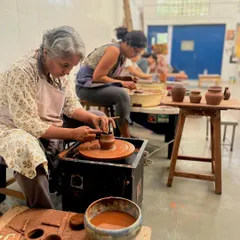
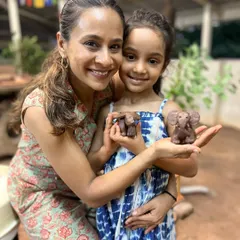
The Art of Clay at Studio Karva
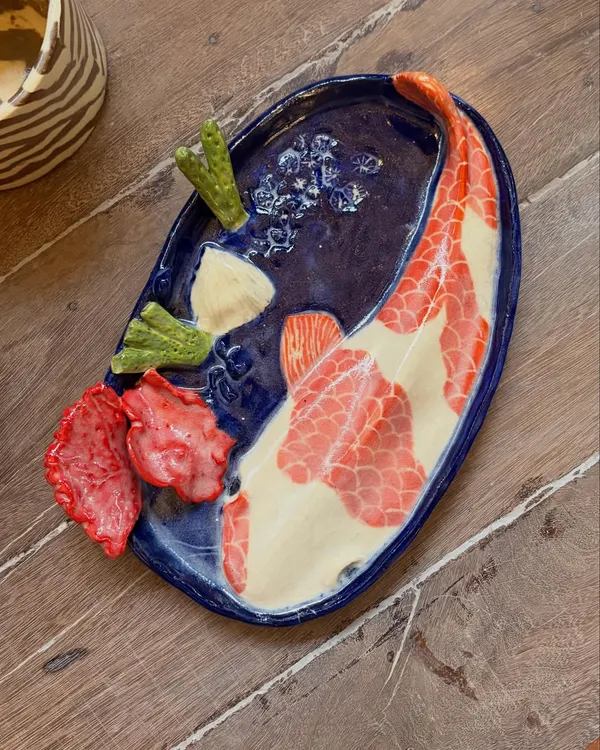 42
42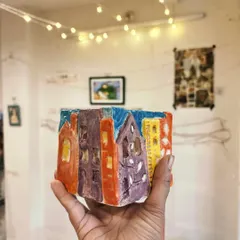
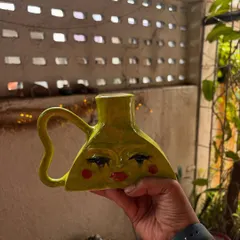
Student Journeys & Pottery Creations
Pottery Tips & Tutorials
Behind the Scenes of Handmade Pottery
The Art of Making: Hand-Built Pottery and Ceramic Techniques
Pottery Workshops in Bandra: Create Your Own Ceramics
More from Pottery Studio Membership & Services by Studio White & Gray
More services by Studio White & Gray