Transforming Clay Into Functional Keepsakes
Making a clay piece is only half the journey. See how raw, wet clay transforms through patient firing and glazing into the durable, food-safe ceramics you will use every day.
The magic of transformation. This video shows the before and after of a student's work, from a freshly made clay piece to a beautiful, functional ceramic artwork.
From a wet clay cup to a glazed and finished piece ready for green tea. This is the satisfying journey every piece in my studio takes.
This is a potter's breakfast. There is a special kind of joy in not only making your meal, but also the handmade vessels you serve it in.
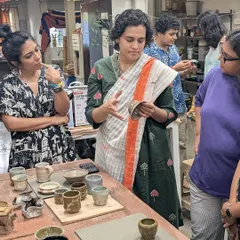
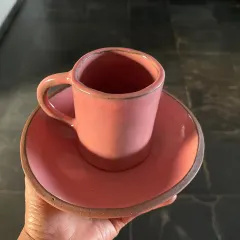
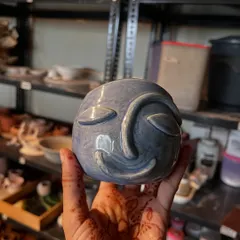
A celebration of student work. Each of these ceramic treasures was hand-built with intention by participants in my recent workshops, now ready to be loved and used.
The delight on a student's face when she sees her glazed and fired ceramic artwork for the first time. This is the reward for all the patient work.
Kiln magic. Watch this little clay sheep transform into a permanent ceramic sculpture after being fired. This is what happens to your creations after the workshop.
A showcase of the amazing and diverse ceramics made by students in my beginner's workshop, each one unique and full of character.
From a hand-carved ginkgo leaf pot to a beautiful little mug. The kiln firing brings out the final character and color of each piece.
The making of a beautiful three-legged bowl, from the initial shaping and carving to the final, elegant glazed piece.
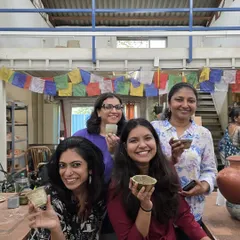
A student beaming with pride as she holds her final glazed ceramic bowls. It's always a delight to see students enjoy their own hand-built pottery.
About The Potter's Journey: From Clay to Keepsake
The journey from your raw clay piece to a finished, food-safe vessel takes about three to four weeks. Once you leave the studio, your work undergoes a two-stage firing process in my kiln—first to turn the clay into bisque, and again after I apply the glaze. This patience is essential to ensure your pieces are durable enough for daily use, whether it’s for your morning coffee or evening meals.
The Transformation Process
Many students ask why their pieces are not ready immediately. The real magic happens while your piece sits on the drying shelf and eventually moves into the kiln. Because I rely on handbuilding techniques—pinching, coiling, and slab work—rather than a potter's wheel, your piece has a unique structure that requires specific drying conditions to prevent cracking.
How Your Piece Becomes Ceramic
- Drying: Your work must reach a 'bone dry' state before it can handle the heat of the kiln. Rushing this stage leads to structural failure, so I ensure it happens slowly.
- Bisque Firing: This is the first firing at a moderate temperature, which transforms fragile, dried clay into a sturdy, porous state.
- Glazing: This is where we add color and the protective, food-safe finish.
- Glaze Firing: The final, high-temperature fire vitrifies the glaze, making your piece waterproof and durable.
Why Handbuilding Matters
Because I do not use a potter's wheel, every piece retains the unique texture of your hands. You are not just making a decorative object; you are learning to respect the limitations of the material. Whether you create a scalloped mug, a trinket dish, or a hand-carved bowl, the final result is a functional object with a story. By the time you collect your work from my Powai studio, you will understand why this slow, tactile process is the only way to create something that truly lasts.
Similar work from other experts
Browse through Curated picks from other experts on mytribe
Pottery Workshops in Bandra: Create Your Own Ceramics
Handmade Pottery and Creative Clay Workshops
 4
4Clay and Ceramics Workshops in Mumbai
From Earth to Art: The Firing and Glazing Process


Glazing and Kiln Firing Pottery Workshops
 13
13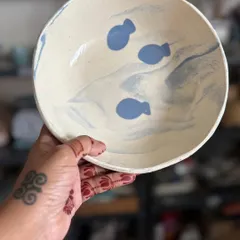
Student Pottery Gallery: Hand-Built Ceramics in Mumbai
More from Pottery Classes & Workshops by Studio Gariffiti
More services by Studio Gariffiti