Pottery Tips & Tutorials
Pottery is a practice of patience. Here, I share the techniques I use in my Prabhadevi studio—from centering your first ball of clay to the final trimming—to help you build confidence on the wheel.
Struggling to center your clay? This step-by-step guide breaks down the process, from preparing the clay to the cone-up and cone-down technique, helping you achieve a stable base for throwing.
This quick tutorial shows you how to properly trim the base of a pasta bowl. This important step gives your piece a professional finish and ensures it sits perfectly flat on any surface.
Trimming is the process of removing excess clay from the bottom of your piece to give it a clean foot and a consistent thickness. This video shows the technique in action on a leather-hard bowl.
Mastering the wheel takes practice. This short guide offers a tip for shaping your clay: remember to keep your hands wet and apply gentle, steady pressure to guide the form.
Can pottery mugs go in the microwave? This video addresses a common question, explaining the importance of proper glazing and why you should avoid mugs with metallic details or cracks.
See the step-by-step process of making a ceramic platter, from rolling out the clay slab to shaping and finishing the final piece. This hand-building technique allows for endless creativity in form and function.
About From My Hands to Yours: Pottery Tips & Tutorials
Centering is the foundation of everything, and it is usually where most beginners get stuck. If your clay is wobbling, do not keep trying to shape it. Stop the wheel, wet your hands again, and reset your base. It is better to spend five minutes fixing your foundation than twenty minutes fighting a lopsided pot.
Learning to work with clay is a journey that requires both muscle memory and a bit of mindfulness. Whether you are struggling to keep your bowl walls even or wondering if your mug is microwave-safe, these tutorials reflect the real questions I get in my studio every day.
Mastering the Wheel
Centering is the first hurdle for every potter. It is not about brute strength; it is about anchoring your elbows and using your body weight to guide the clay. When you feel that wobble, it is usually because the clay is not firmly attached to the wheel or your hands are not wet enough. Remember that the clay is just as much a part of the process as your hands are.
The Art of Finishing
Trimming is where the real shape of your vessel is defined. It is the step that turns a heavy lump into a functional object. I often tell my students to listen to the sound of the tool against the clay—a smooth, continuous shaving sound indicates you have the right angle and pressure. If it sounds choppy, adjust your tool and your speed.
Studio Practice
Beyond technique, pottery is about understanding the material. Clay has a memory. If you work it too hard or let it dry unevenly, it will tell you. Keep your studio space organized, keep your tools clean, and never rush the drying process. My Prabhadevi studio is always open to those who want to move from watching tutorials to feeling the clay in their own hands. Join me for a trial session if you want to practice these techniques with proper guidance and the right equipment.
Similar work from other experts
Browse through Curated picks from other experts on mytribe
Mastering the Art of Wheel Throwing
 8
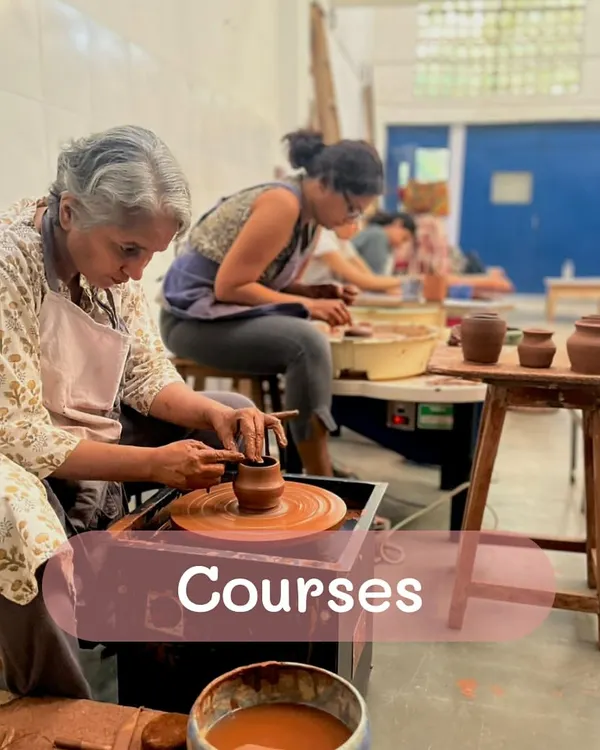
8Pottery Classes in Mumbai: Master the Wheel
 4
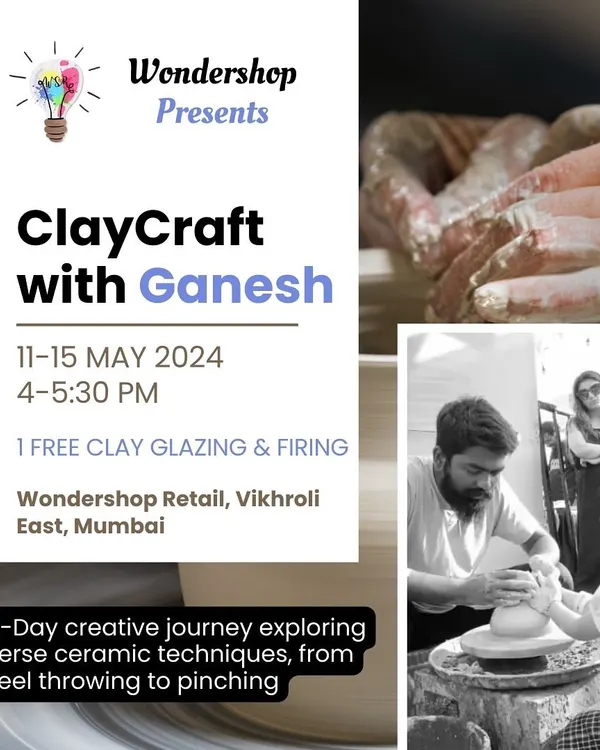
4Clay and Ceramics Workshops in Mumbai
Try the Potter's Wheel in Ghatkopar
The Potter's Craft: From Clay to Ceramic Art
Potter's Wheel Experience in Mumbai
More from Pottery Workshops & Classes by Clay Explore
More services by Clay Explore